New economic data from the United States reveals that inflation cooled to 2.8% in April, a notable dip attributed primarily to a unique quirk in energy pricing. For the hundreds of thousands of Filipinos and Overseas Filipino Workers (OFWs) residing and toiling across the US, this figure is more than just a statistic; it signals a potential shift in their daily cost of living and the financial landscape impacting their families both abroad and back home in the Philippines.
Shifting Energy Pricing and Financial Breathing Room
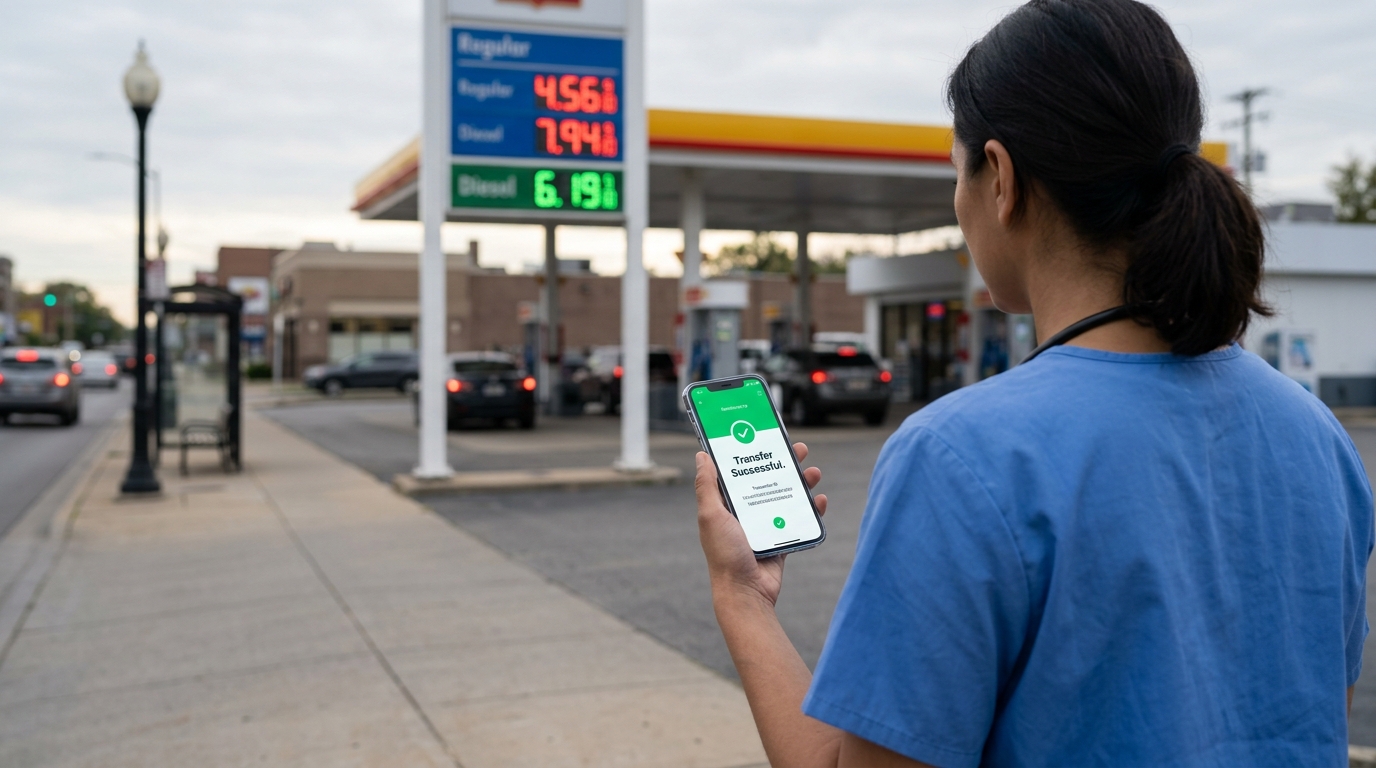
The 2.8% inflation rate, as reported by Forbes, indicates a slower rise in the overall cost of goods and services compared to previous periods. While the specific "quirk" in energy pricing that contributed to this dip is complex, its general effect is a reduction in the rate at which fuel and power costs are climbing. For many Filipino households in the US, where transportation and utility bills form a significant part of their monthly expenses, any deceleration in these costs can translate into tangible savings. This financial breathing room is particularly crucial for those balancing living expenses with the responsibility of sending remittances.
Stabilizing Essential Costs and Remittance Optimization
A sustained moderation in inflation rates translates directly into increased purchasing power. For Filipinos in the US, this means their hard-earned dollars may stretch further, allowing for greater savings or increased capacity to support their families in the Philippines. While a single month's data doesn't define a long-term trend, a consistent downward movement in inflation can stabilize the cost of essentials, from groceries to housing, which are often significant burdens. This positive shift can alleviate some of the financial pressures on OFWs, impacting their ability to save for the future or invest back home.
Re-evaluating Financial Strategies and Economic Volatilities
Filipinos and OFWs should view this development as a cautiously optimistic sign. It’s an opportunity to re-evaluate personal budgets and financial strategies. While energy prices played a key role in this dip, other sectors might still see price increases. Therefore, continued vigilance in managing expenses remains vital. Those sending money home to the Philippines may find that their remittances now hold slightly more value, offering a boost to their recipients. Staying informed about economic trends, understanding how they affect local job markets, and adjusting financial plans accordingly will empower the Filipino community to navigate the evolving economic environment in the United States effectively.