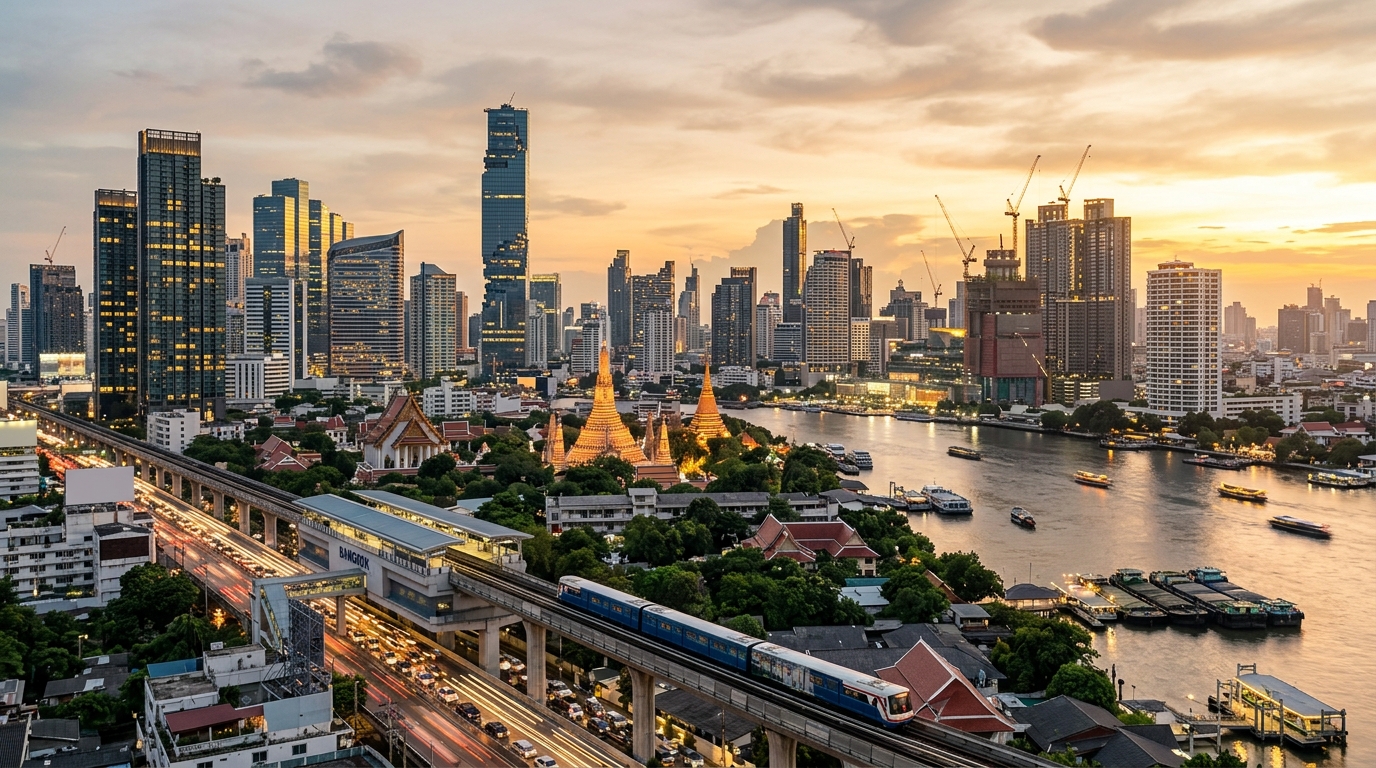
Thailand's economy is soaring, marking a significant milestone in Q1 2026 with a record-breaking 2.8% GDP growth. This impressive surge, largely propelled by a powerful tourism boom, has seen the Southeast Asian nation outpace several major economies in the region, including the Philippines, Japan, Indonesia, South Korea, Vietnam, China, and Malaysia. The unprecedented momentum signals a dynamic shift in the regional economic landscape, raising crucial questions about its implications for the global Filipino community and overseas Filipino workers (OFWs).
How a Revitalized Tourism Boom Triggers a Ripple Effect Across Industries
The driving force behind Thailand's economic acceleration is its revitalized tourism sector, which has rebounded strongly, attracting international visitors and injecting substantial capital into the economy. This boom extends beyond hotels and resorts, creating a ripple effect across various industries, from retail and transportation to food services and construction. For Filipinos contemplating opportunities abroad or those already working in neighboring countries, Thailand's robust growth could redefine career prospects and economic considerations.
Surging Labor Demands and New Horizons for Skilled Foreign Talent
A rapidly expanding Thai economy translates into increased demand for labor across multiple sectors. While this primarily benefits the local workforce, it also opens doors for skilled foreign workers, including Filipinos, especially in areas where local expertise might be stretched thin. Industries like hospitality management, English language teaching, healthcare, and specialized trades could see a rise in demand for foreign talent. This economic vigor also enhances Thailand's attractiveness as an investment destination, potentially fostering a more competitive and dynamic job market across Southeast Asia. For the Philippines, this development underscores the need to continually enhance its own economic competitiveness and create equally compelling opportunities for its workforce.
Navigating Visa Rules, Upskilling, and Securing Remittance Stability
For Filipinos considering working in Thailand, the booming economy signals potential for new job openings and possibly more competitive compensation packages in certain sectors. However, it is essential for prospective OFWs to conduct thorough research on industry demands, visa regulations, and local labor laws. Understanding the specific skills in demand, such as those in digital services, specialized tourism roles, or technical fields, will be crucial. For families in the Philippines relying on remittances, a stronger Thai economy could mean more stable employment for their loved ones abroad, ensuring continued financial support. This regional economic shift highlights the importance for Filipinos to remain adaptable, continuously upskill, and explore diverse opportunities beyond traditional markets.