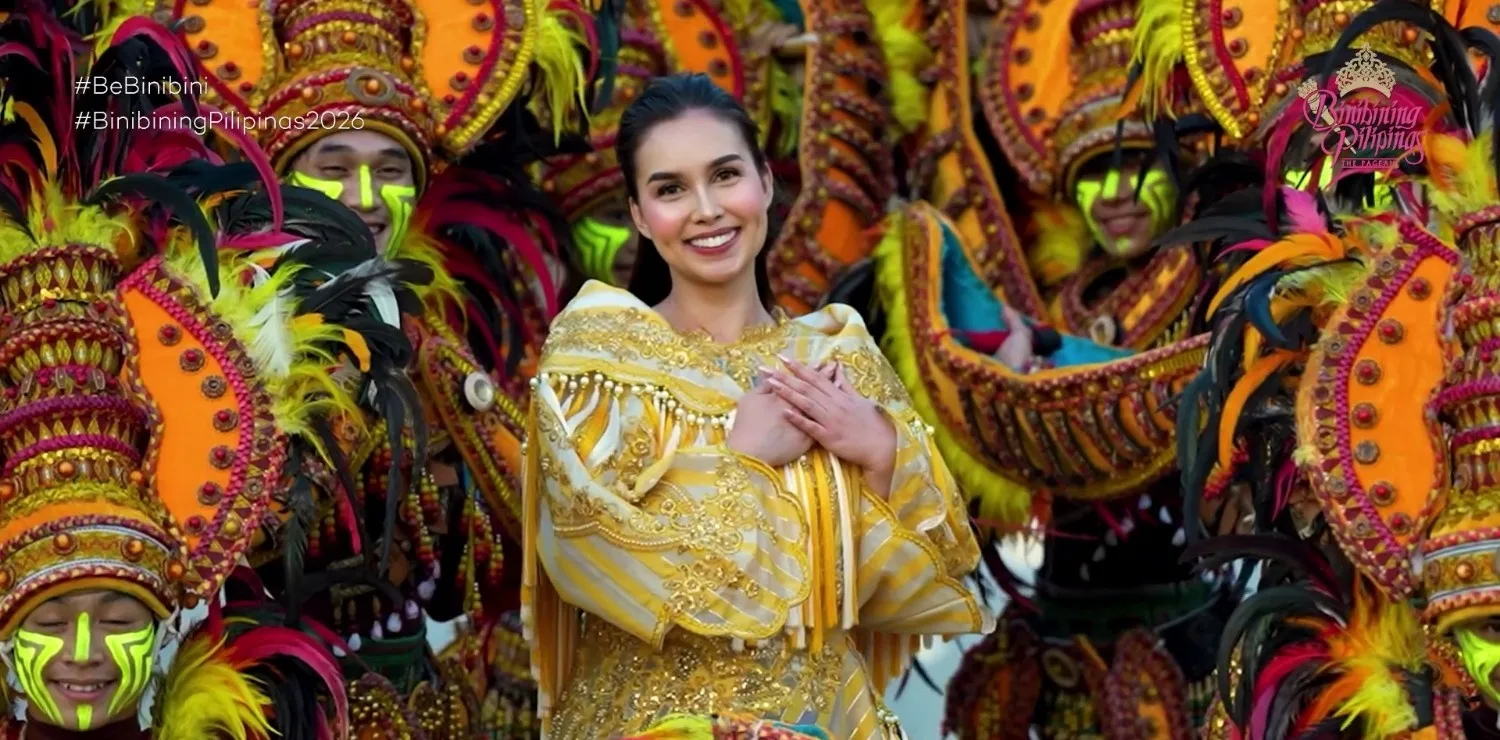
PAMPANGA — On May 20, 2026, the streets of this quiet agricultural town will erupt in a riot of color, drumbeats, and devotion. The Putiuican Festival—an interpretative street dance that honors Santa Rita de Cascia, the town's patron saint—returns for its 2026 edition with a deliberate invitation to outsiders. For the first time since the festival's founding, the competition is open to groups from outside the municipality, a strategic pivot by Mayor Reynan S. Calo that transforms a local religious tradition into a tourism asset engineered for regional draw. The festival forms the crown jewel of the month-long Piyestang Balen, which this year carries the theme "Pamagpuge da reng Ritenian kang Apung Dita"—the thanksgiving of the people of Santa Rita to their beloved patron.
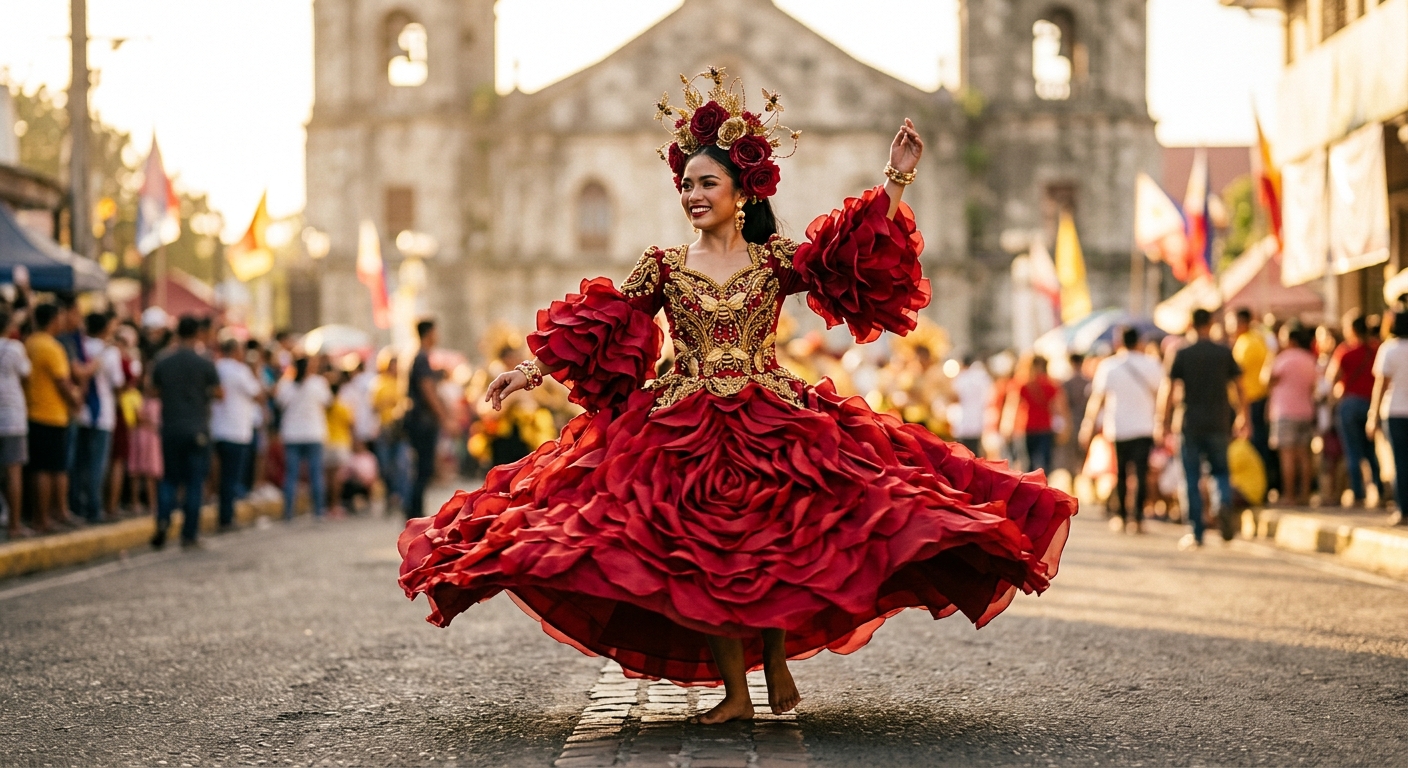
The choreography of Putiuican is not arbitrary spectacle. It is a narrative rendered in movement, built around the symbols most intimately associated with Saint Rita: roses and bees. According to Catholic tradition, a swarm of bees settled on the infant Rita's lips without harming her, and a white rose bloomed on her family's land in the dead of winter before her birth. These elements—the rose, the bee, the fragrance of sanctity—animate every Putiuican performance, as dancers in elaborate costumes reenact the saint's life through street dance and interpretative movement. The afternoon streetdance competition begins at 3:30 PM along Santa Rita Public Places, while the interpretative dance competition follows at 7:00 PM under the lights of the Santa Rita Plaza Covered Court. Prizes reach ₱35,000 for the interpretative dance champion, with a ₱10,000 subsidy provided to each of the five participating groups. The festival's official poster carries the rallying cry: "Viva Apung Dita! Luid ya ing Bayung Santa Rita!"
A Tricentennial Parish and the Mayor's Tourism Vision
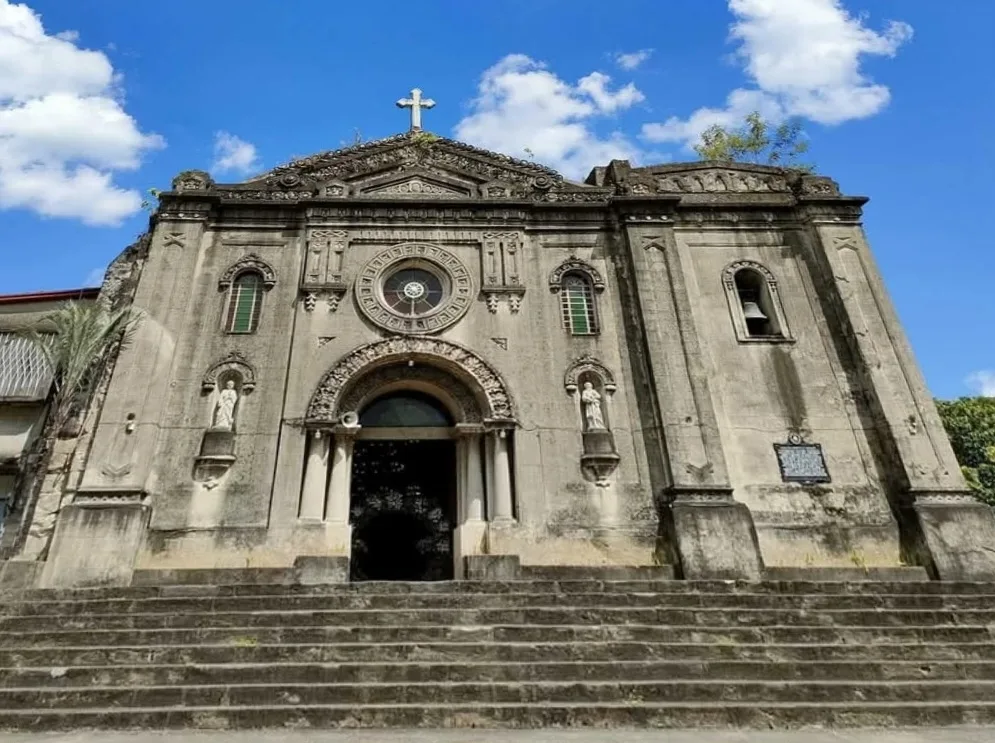
This year's festival carries a historical weight that no previous edition could claim. The Putiuican coincides with the 300th anniversary of the founding of the Parish Church of Santa Rita, a milestone that places the municipality on a timeline stretching back to 1726. The parish, dedicated to Santa Rita de Cascia—the 15th-century Augustinian nun known as the patron saint of impossible causes—has anchored the town's spiritual identity for three centuries. Its feast day, May 22, marks the culmination of the month-long Piyestang Balen, and the Putiuican Festival functions as the cultural crescendo that precedes it.
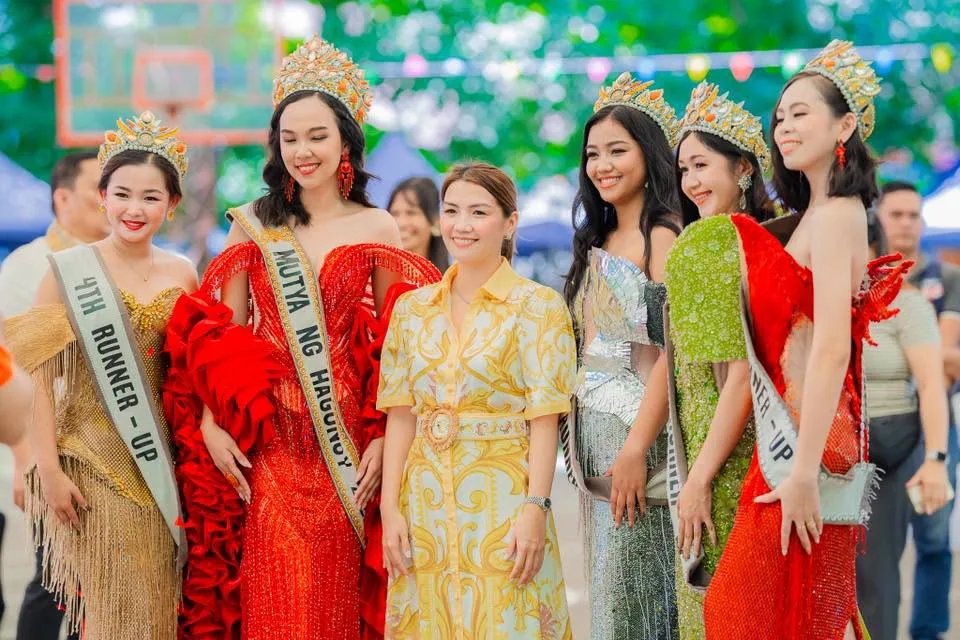
Mayor Calo, who leads the LGU as this year's committee-in-charge, has embedded the festival within a broader development framework he calls "Bayung Santa Rita"—a vision that positions the municipality as a recognized agritourism and heritage lifestyle hub. "We encouraged our officials and local leaders to invite the private sector to be involved in our activities," Calo said during the fiesta preparations launched on March 16. The framework treats each fiesta activity—the basketball tournament, the Zumba competition, the Mutya at Ginoo ning Santa Rita pageant, the Bingo Socials, the Grand Raffle, and the Ritenian Homecoming Ball for balikbayans—not as isolated events but as components of an integrated tourism calendar. The Putiuican Festival, by opening its doors to participants from beyond the municipal boundary, serves as the most visible expression of that ambition.
Beyond the Festival: A Tourism Infrastructure Taking Shape
The Putiuican does not stand alone. Santa Rita's tourism infrastructure is quietly deepening. The Santa Rita Eco Park, which hosted the Fiesta Run 2026 on May 16 at 4:00 AM, has become a focal point for outdoor recreation. TIEZA recently supported a solar lighting project at the Eco Park extending to the Santa Barbara Bridge in Bacolor, improving both safety and the nighttime appeal of the area. The municipality's Culture, Arts, and Tourism Group has been actively organizing events, including the observance of National Arts Month and the Duman harvest celebration, which preserves a unique Kapampangan agricultural tradition. The town's vision statement—"A Recognized Agri-Tourism Lifestyle Hub in the Country"—is no longer aspirational rhetoric but an operational roadmap.
The tourism logic is straightforward. A town that can package its religious festival as a regional competition, surround it with complementary events like a heritage run and a trade fair, and underpin the entire experience with improved infrastructure—solar lighting, accessible venues, a municipal hall that doubles as a community center—is a town that can convert a day-tripper into a repeat visitor. The Homecoming Ball for balikbayans adds a diaspora dimension, tapping the Pampanga-rooted families who return each May and who function, knowingly or not, as the town's most effective tourism ambassadors. When they bring friends from Manila or abroad, they are importing the very visitors that the newly opened Putiuican is designed to welcome.
For the traveler who arrives in Santa Rita on May 21, the experience promises to be immersive rather than passive. The streets fill with dancers adorned in rose-and-bee motifs. The air carries the rhythms of Kapampangan percussion. The plaza, shaded and festive, hosts the evening interpretative competition under lights installed with TIEZA's support. And behind it all, the 300-year-old parish church stands as both backdrop and origin story—a reminder that the festival's roots reach far deeper than any single administration or tourism strategy. Santa Rita has been celebrating Apung Dita for centuries. What is new in 2026 is the open invitation to the world beyond its borders to come and see why.