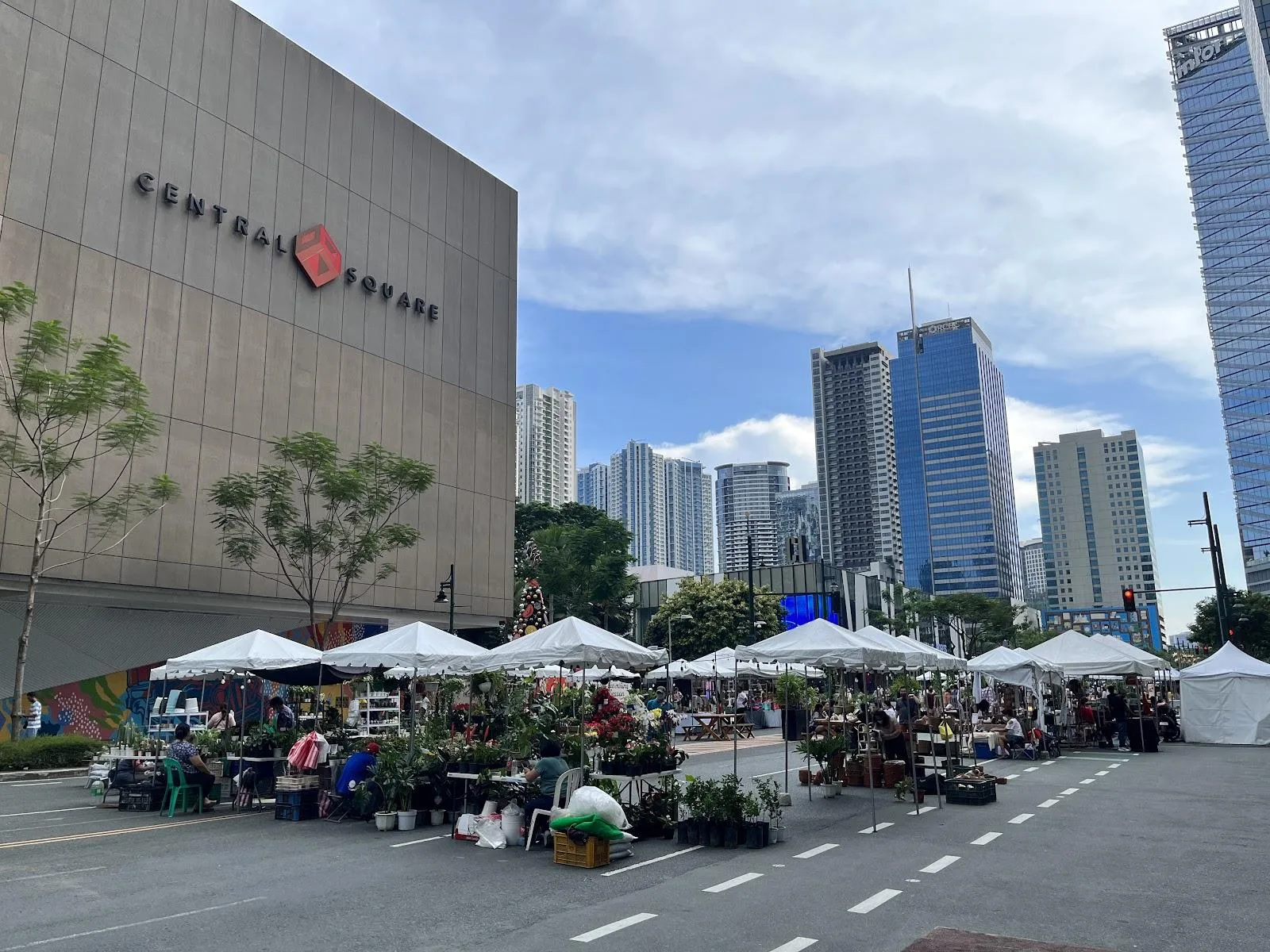
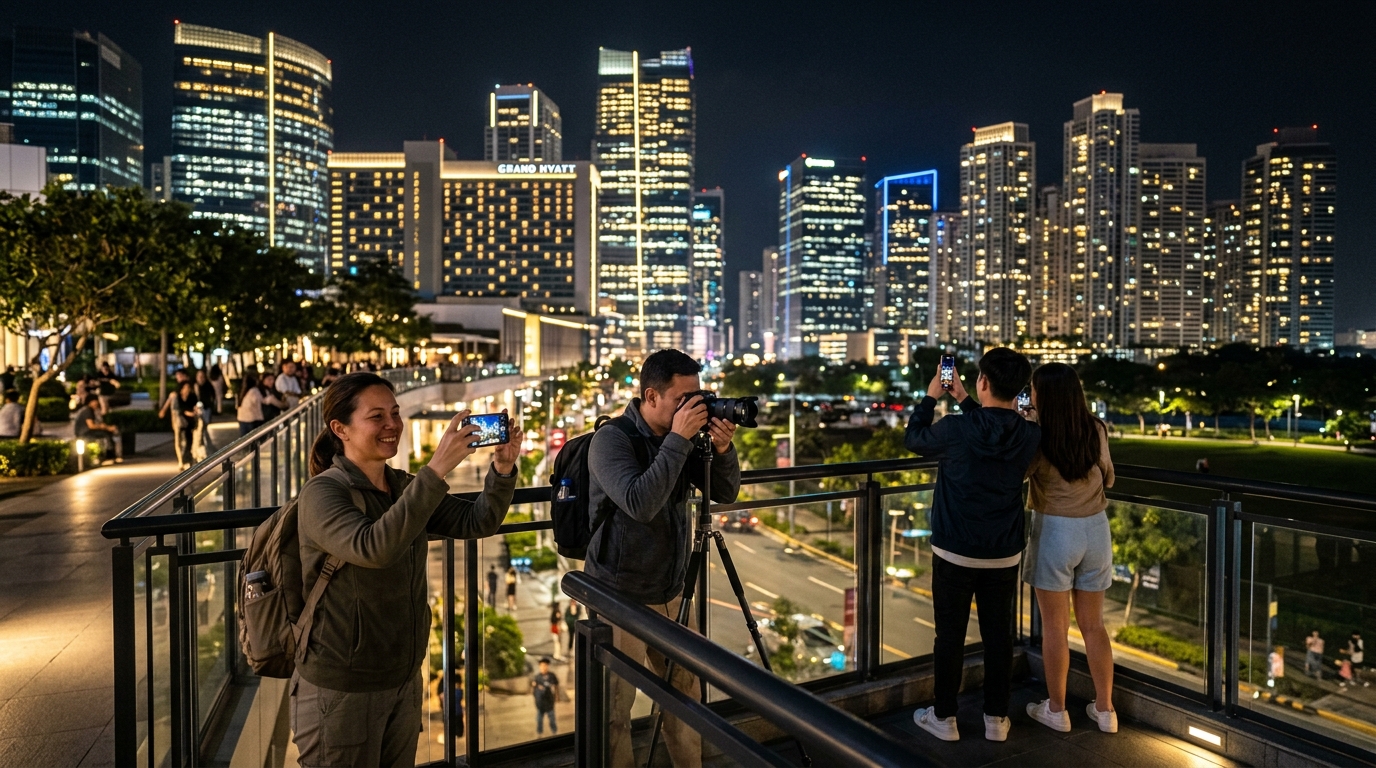
Bonifacio Global City continues becoming one of Metro Manila’s most photographed tourism destinations as tourists and content creators gather daily to capture the district’s modern skyline, illuminated skyscrapers, rooftop views, and urban lifestyle atmosphere. In 2026, skyline tourism has become one of BGC’s strongest visual attractions because visitors increasingly search for aesthetic city experiences during travel.
Throughout the district, tourists can find rooftop restaurants, elevated walkways, open-air cafés, parks, and public spaces that provide panoramic views of BGC’s modern architecture and nighttime city lights. Several visitors describe the district as one of the most visually cinematic urban destinations in the Philippines because of its combination of organized streets, luxury buildings, and vibrant nightlife scenery. The skyline becomes especially attractive during sunset and nighttime when decorative lights and illuminated towers transform the district into a highly immersive city environment. Couples, photographers, vloggers, and travelers frequently spend hours capturing skyline content while exploring cafés, rooftop bars, and entertainment districts around BGC. Social media continues playing a major role in the district’s tourism popularity. Videos featuring drone shots, rooftop photography, nighttime walks, and skyline views regularly trend online, encouraging more travelers to visit Bonifacio Global City.
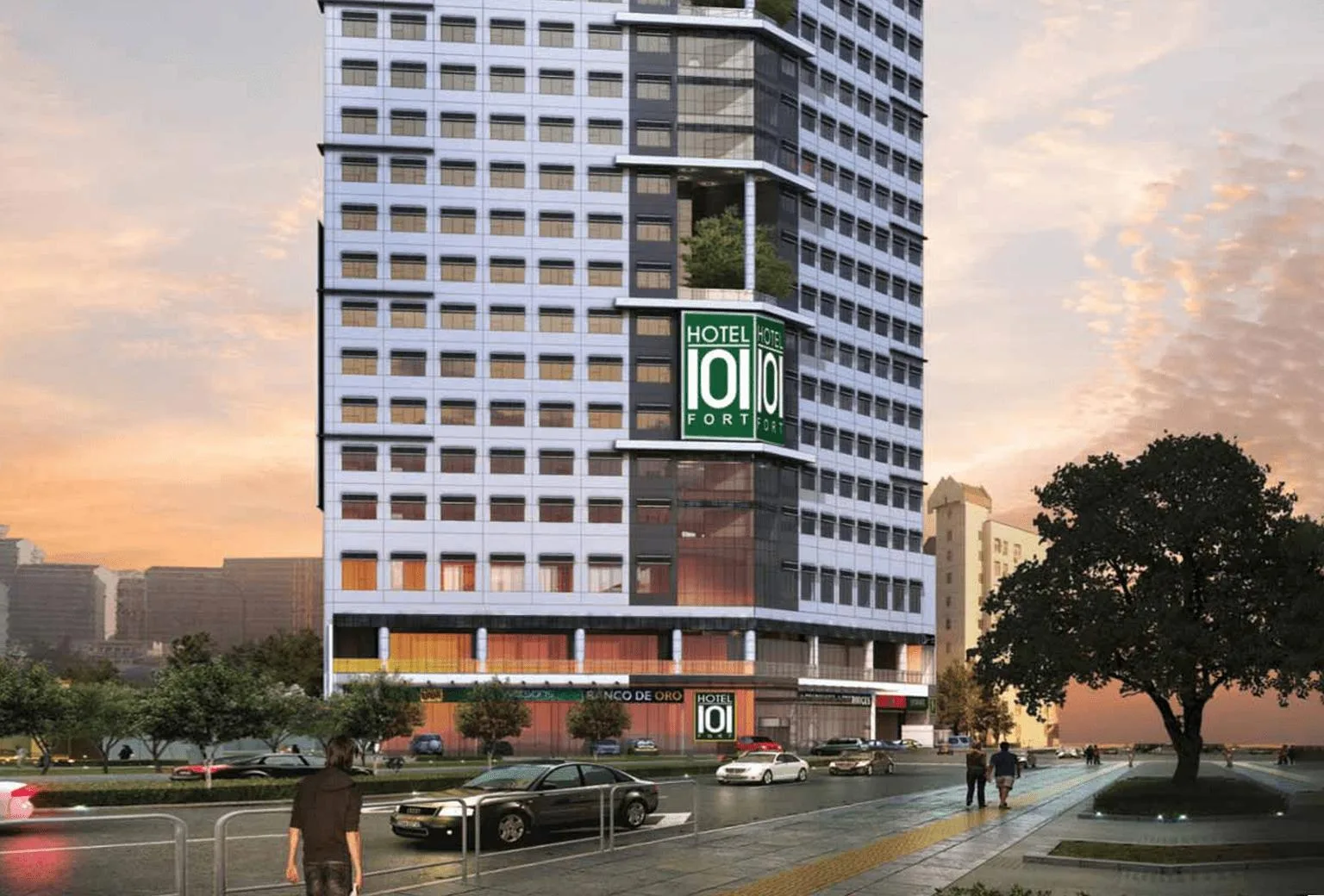
Tourism experts explained that visual tourism continues rapidly growing because modern travelers increasingly prioritize destinations offering memorable and highly shareable experiences. BGC’s skyline culture successfully combines architecture, lifestyle, entertainment, and photography within one urban tourism destination. Several businesses throughout the district also benefit from skyline tourism as restaurants, rooftop bars, cafés, and hotels attract visitors searching for the best city views around Metro Manila. As Bonifacio Global City continues expanding as a modern tourism district, its skyline remains one of the strongest symbols of contemporary urban tourism and lifestyle culture in the Philippines.