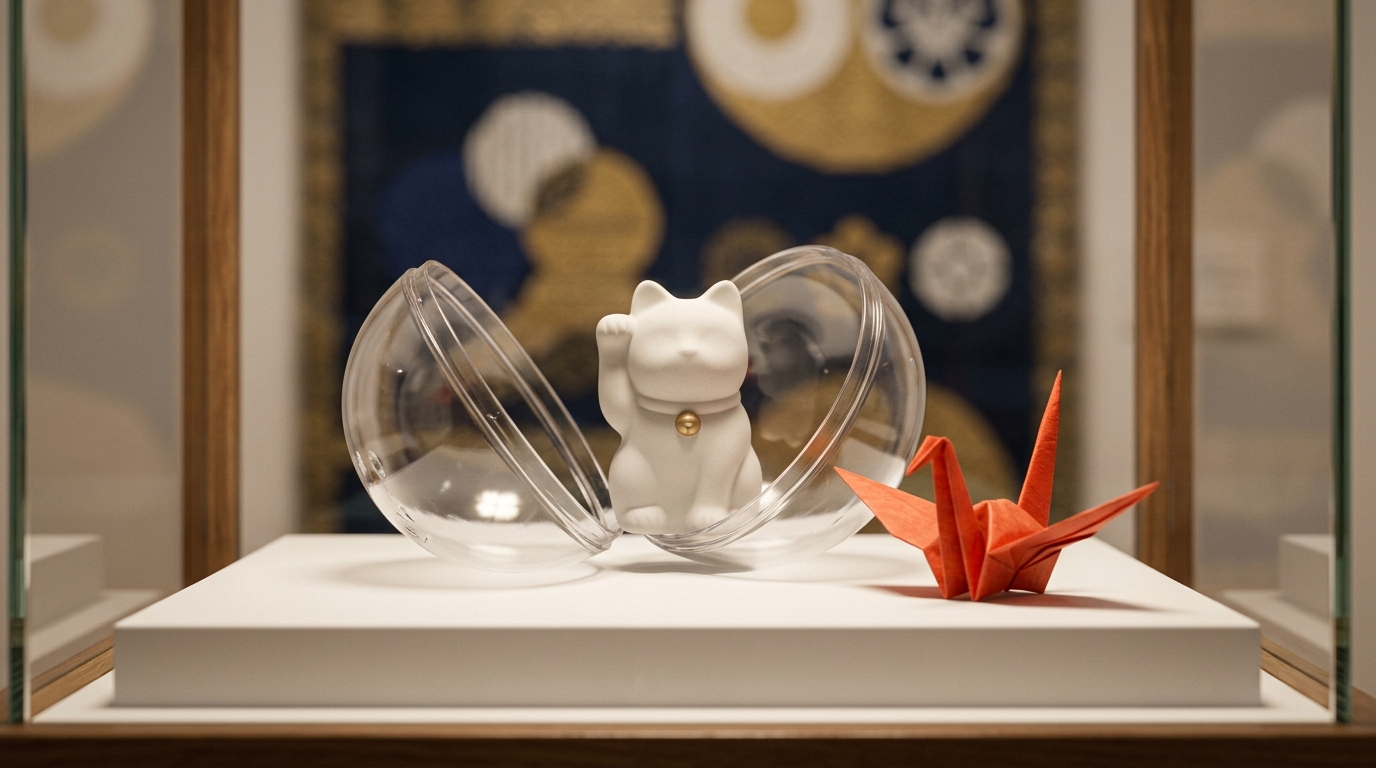
ILOILO CITY — On June 27, 2026, the second-floor galleries of the Iloilo Museum of Contemporary Art will fill with something no other museum in the Visayas has hosted: a century-spanning collection of Japanese toys, from Edo-period talismans to Hello Kitty, Gundam, Pokémon, and the latest interactive figures that blur the line between plaything and art. The Japan Foundation, Manila, has selected ILOMOCA as the sole regional venue for "Omocha: Japanese Toys Today," the traveling exhibition's inaugural Philippine run, which opens first at the Metropolitan Museum of Manila in BGC from May 6 to 31 before arriving in Iloilo for a month-long stay. For the city's tourism sector, the exhibition represents something increasingly rare—a world-class cultural event, free to the public, that positions Iloilo not as a secondary market but as a destination capable of anchoring international exhibitions alongside Metro Manila.
A Museum That Punches Above Its Weight
ILOMOCA, which opened in 2018 as the first museum in the Visayas dedicated to modern and contemporary art, spans approximately 3,000 square meters across three floors within the Casa Emperador Building at Iloilo Business Park. Developed by Megaworld Corporation through the Megaworld Foundation, it houses five exhibition galleries, a theatre facility, and a souvenir shop—infrastructure that has steadily attracted rotating exhibitions from both Filipino and international artists. Hosting the Omocha exhibition places ILOMOCA in the company of the Metropolitan Museum of Manila and reinforces its growing reputation as a regional arts anchor.
The exhibition aligns with the 2026 Japan–Philippines Friendship Year theme, "Weaving the Future Together: Peace, Prosperity, and Possibilities," and forms part of the Next Generation Co-Creation Partnership – WA 2.0, a people-centered initiative encouraging exchange between Japan and ASEAN countries. An exclusive reception on June 26 from 6 p.m. to 9 p.m. will precede the public opening, after which the galleries will remain open Tuesdays through Sundays from 10 a.m. to 6 p.m. through July 26. Admission to both the exhibition and all accompanying public programs is free, removing the financial barrier that often excludes younger audiences and families from international cultural events.
Seven Themes, One Story of Play
The exhibition is organized around seven thematic clusters: high-tech transforming toys, Japan-originated character toys, super-miniature precision toys, aspirational and healing kawaii toys, evolving vehicle toys, intriguing analog toys, and new digital toys. This curatorial structure allows visitors to trace the arc of Japanese play culture from pre-industrial hand-carved wooden dolls through the plastic and electronic revolutions of the postwar era to the app-connected, AI-augmented toys of the present.
Well-known icons—Gundam, Transformers, Pokémon, Sylvanian Families, Hello Kitty—share gallery space with lesser-known artifacts that illuminate the craftsmanship and storytelling traditions underpinning Japan's toy industry. Originally created as symbols of hope and well-being for children, these toys have evolved into cultural objects that reflect creativity, precision engineering, and cross-generational appeal. Interactive spaces within the exhibition invite hands-on engagement, while public programs featuring Filipino toy creators add local perspectives that bridge the Japanese and Ilonggo experiences of play.
A Cultural Tourism Anchor in a Growing Destination
Iloilo City's selection as the sole regional host for Omocha did not occur in a vacuum. The city has been methodically assembling its cultural tourism portfolio, earning consecutive ASEAN Clean Tourist City awards, a UNESCO Creative City of Gastronomy designation, and regional recognition as Western Visayas' top MICE destination. The recently launched Living Heritage Museum Tour connects visitors to ten historic sites, while the Iloilo Convention Center hosted over 150 MICE events in 2025. ILOMOCA itself recently closed its "Sovereign Faces" exhibition by French artist Henri Lamy, demonstrating a programming cadence that increasingly includes international names alongside Filipino contemporary artists.
The Omocha exhibition complements the city's broader tourism calendar. July, traditionally a quieter month between the Dinagyang Festival in January and the holiday season, now has a high-profile, family-friendly cultural anchor that can draw visitors from across Panay and Negros. For families seeking an educational weekend activity, for anime and toy enthusiasts who have followed the exhibition's Manila run on social media, and for cultural tourists who prioritize museum-going as part of their travel experience, ILOMOCA's summer programming offers a compelling reason to choose Iloilo. The free admission policy ensures that the exhibition serves as both a tourism draw and a community resource—accessible to school groups, barangay residents, and the thousands of workers employed in the surrounding Iloilo Business Park who might visit during a lunch break or after a shift.
Seventy Years of Friendship, One Exhibition at a Time
The Omocha exhibition arrives as the 70th anniversary of Philippines–Japan diplomatic relations unfolds across a calendar that includes jazz concerts, film screenings, Japanese language training programs, strawberry fairs, and cultural workshops. The Embassy of Japan's official event roster lists Omocha as one of the year's flagship cultural offerings, alongside academic conferences, travel expos, and agricultural trade promotions. For Iloilo City, participation in this milestone year deepens a relationship that has already produced university partnerships, infrastructure investments, and a growing Japanese expatriate community.
ILOMOCA's role as host reflects a broader institutional ambition articulated by the museum's leadership: to transform distance into connection, to bring global perspectives to local audiences, and to make art an accessible part of everyday life. When the doors open on June 27 and the first visitors encounter Gundam models gleaming under gallery lights, the moment will represent more than a traveling exhibition's second stop. It will represent a city that has earned its place on the cultural map—not through claims or slogans, but through the steady accumulation of institutions, partnerships, and programming that make a destination worth visiting, and worth returning to.