A landmark agreement has seen the Philippines, alongside Thailand, Malaysia, Singapore, and Indonesia, unite to forge a groundbreaking global eco-tourism pact. This significant regional collaboration is designed to champion sustainability, foster community empowerment, and drive low-carbon travel initiatives across Southeast Asia. For millions of Filipinos, this pact represents more than just environmental conservation; it signals a new era of economic opportunities and enhanced livelihoods.
Implementing the Sustainable Tourism Value Chain
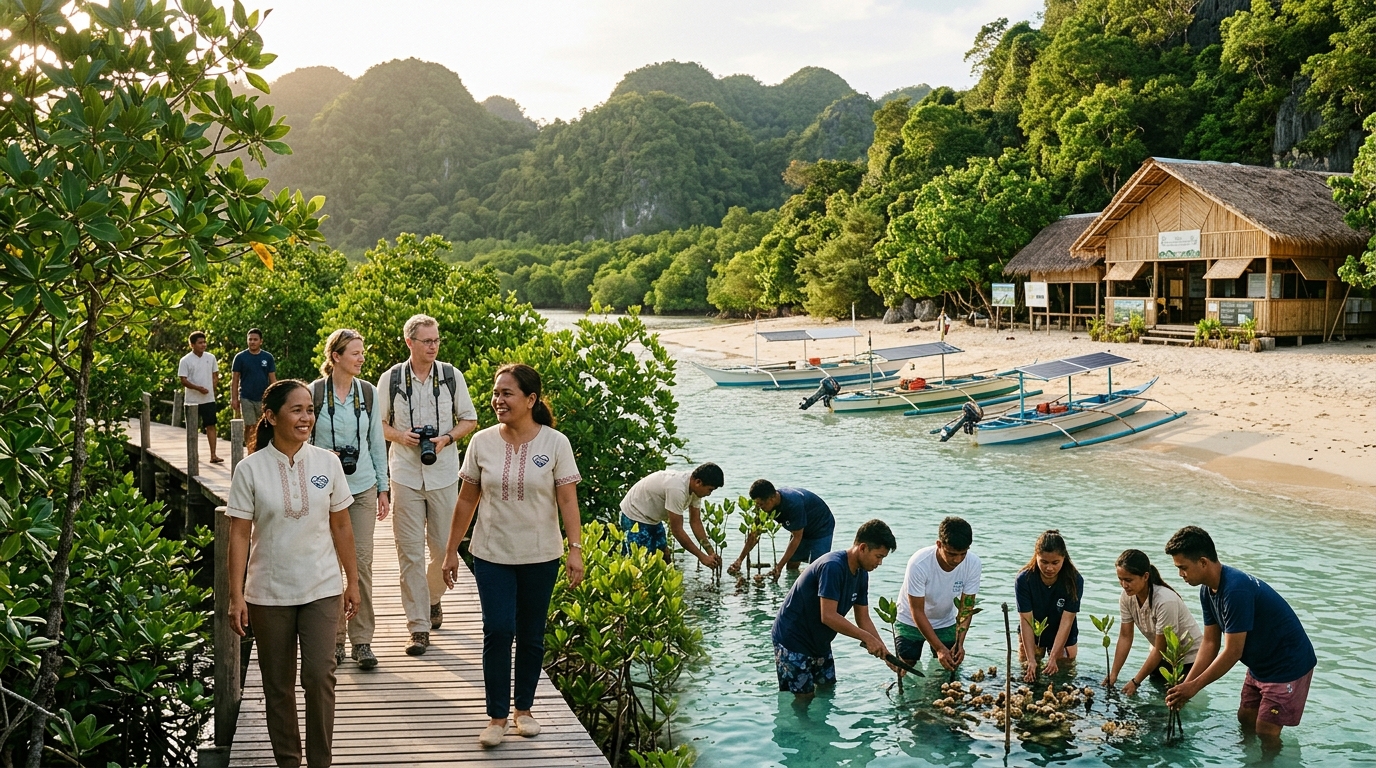
The multi-nation initiative focuses on developing tourism that is environmentally responsible, protects natural heritage, and provides direct benefits to local populations. This means a concerted effort to support sustainable practices in tourist destinations, invest in eco-friendly infrastructure, and empower communities to become active participants and beneficiaries in the tourism value chain. The emphasis on low-carbon travel also positions the region as a leader in addressing climate change within the global tourism sector.
Protecting Ecosystems and Shared Equities
For the Philippines, a nation renowned for its breathtaking natural landscapes and vibrant culture, this pact holds immense significance. Tourism is a vital pillar of the Philippine economy, creating jobs and driving local development. By formalizing a regional commitment to eco-tourism, the agreement is poised to attract a new wave of environmentally conscious travelers, ensuring that the benefits of tourism are sustained and shared equitably. It provides a framework for protecting the country's pristine beaches, diverse marine life, and lush forests, which are key attractions, while simultaneously generating income for the communities that serve as their custodians.
Empowering Local Workforces and Returning Diaspora
This pact opens up numerous avenues for Filipinos. Locally, it can stimulate job creation in sustainable tourism sectors, from eco-guides and conservation workers to hospitality staff trained in green practices. For Overseas Filipino Workers (OFWs) currently in the hospitality or related industries abroad, it could mean opportunities to return home with enhanced skills to contribute to a growing, responsible tourism sector. Furthermore, the focus on community empowerment ensures that indigenous groups and rural populations, often custodians of prime eco-tourism sites, receive training, resources, and fair compensation, directly improving their economic standing and preserving their cultural heritage. Filipinos are encouraged to embrace and support these sustainable travel practices, whether as tourists exploring their own country or as professionals contributing to this evolving industry.