A Kitchen’s Other Role
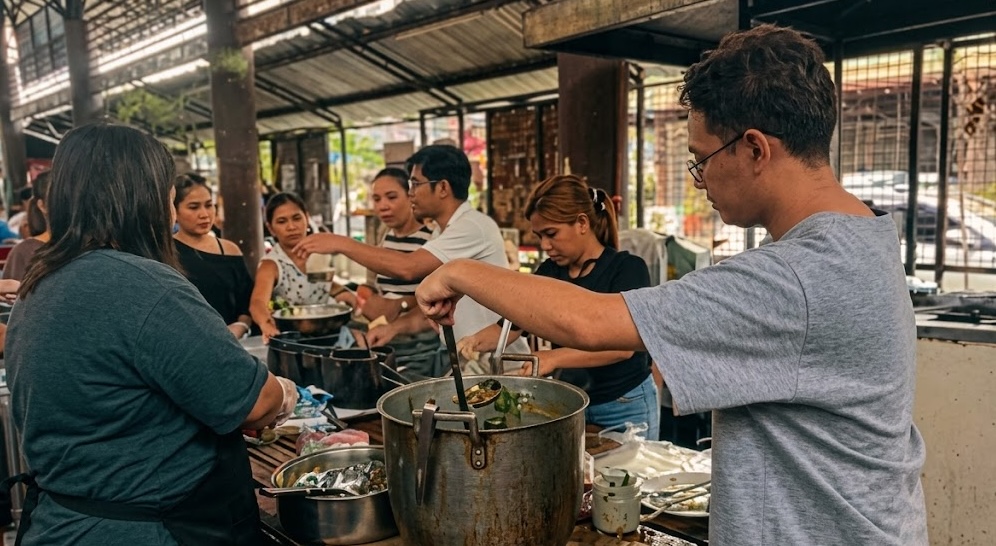
Restaurants are businesses, but they are also part of the communities they serve. During challenging circumstances, some establishments find themselves contributing in ways that extend beyond regular operations. Food preparation, logistical support, and meal distribution become valuable services when large numbers of people require assistance. The skills that make a restaurant successful under normal conditions—organization, efficiency, and food preparation—can also support relief efforts. These contributions often occur quietly, without the publicity associated with traditional restaurant reviews or culinary rankings.
Food as Practical Support
A meal provides more than nourishment. It offers comfort, routine, and a sense of care during uncertain situations. Volunteer kitchens and food service initiatives demonstrate how hospitality can adapt to changing needs. In General Santos City, food-related support became part of broader community recovery efforts. The participation of restaurants and volunteers illustrated how local businesses can contribute resources and expertise when circumstances require collective action. Such efforts highlight a side of the food industry that is often overlooked in discussions focused primarily on dining and tourism.
Remembering the Human Side of Hospitality
Hospitality is frequently defined by service quality and customer experience. Yet its deeper meaning involves welcoming and assisting others. Community food initiatives reflect that principle in its simplest form. Whether serving customers during ordinary days or supporting relief efforts during difficult periods, restaurants remain connected to the communities around them. The examples seen in General Santos City demonstrate how food establishments can play meaningful roles beyond commerce. Their impact is measured not only by meals served but also by the support they provide when people need it most.