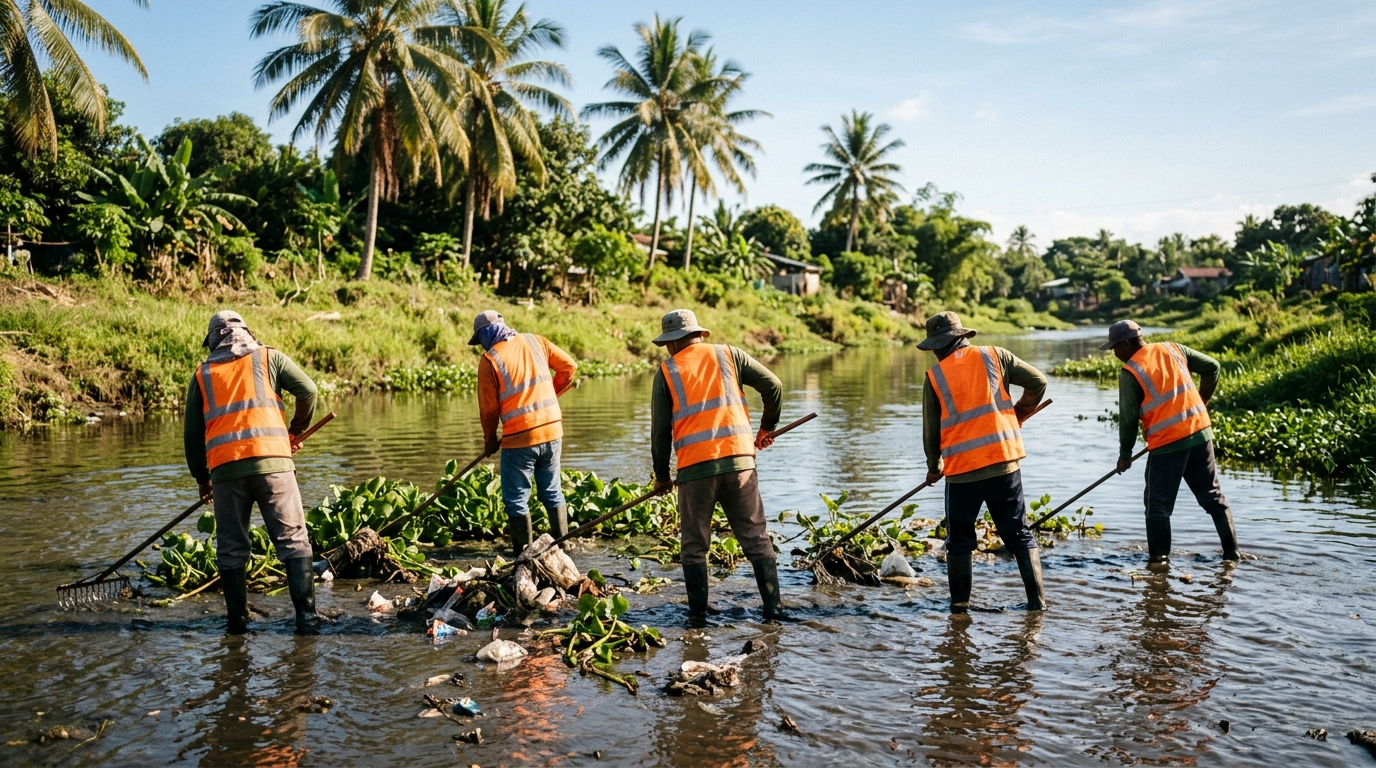
ILOILO CITY — In a determined push to reclaim its rivers, Iloilo City’s Oplan Kontra Baha campaign has removed a staggering 74 tons of garbage from waterways in just two weeks. The massive cleanup underscores the city government's commitment to tackling flood risks and environmental degradation head‑on. The effort, reported by Panay News, highlights both the scale of the challenge and the capacity of collective action to address it.
The waste recovered paints a clear picture: approximately 80 percent of the debris collected during the first week consisted of plastic. The haul reflects the persistent throwaway habits that clog drainage systems and worsen flooding. Yet the very success of the operation also demonstrates that proactive, government‑led action can make an immediate, visible difference. The city is not ignoring the problem; it is actively confronting it with manpower, resources, and a clear plan.
A Pioneer in Plastics Regulation
Iloilo City has long been a trailblazer in the fight against single‑use plastics. More than a decade ago, it adopted Regulation Ordinance No. 2013‑403 to eliminate thin, non‑biodegradable plastic bags. This was later reinforced by Executive Order No. 043, which strictly limited single‑use plastic items in city government offices, public parks, and the iconic Esplanade. These moves cemented Iloilo’s reputation as an environmental leader.
Today, the city is building on that foundation. Recognizing that rules alone cannot change deep‑rooted habits, the local government is pairing its cleanup drives with renewed calls for enforcement and public education. The 74 tons of garbage recovered are not just a statistic; they are a catalyst for strengthening compliance, encouraging businesses to reduce packaging, and reminding residents that environmental responsibility begins at home. The city's pioneering spirit remains its greatest asset in turning the tide on plastic pollution.
From Challenge to Opportunity
The scale of the cleanup is, paradoxically, a powerful motivator. It provides undeniable evidence that fuels the city's resolve to intensify monitoring and explore whether current penalties are sufficient. It also strengthens the argument for investing in practical alternatives to single‑use plastics and embedding environmental stewardship more deeply into the education system.
The 74 tons of waste removed from Iloilo’s rivers are a testament to what can be accomplished when a city decides to act. They represent tons of material that will no longer choke marine life or contribute to flooding. The ongoing campaign is a reminder that a cleaner, more resilient Iloilo is not a distant dream but a goal being pursued one cleanup, one policy, and one changed habit at a time. The challenge has been laid bare, and Iloilo City is facing it with action.