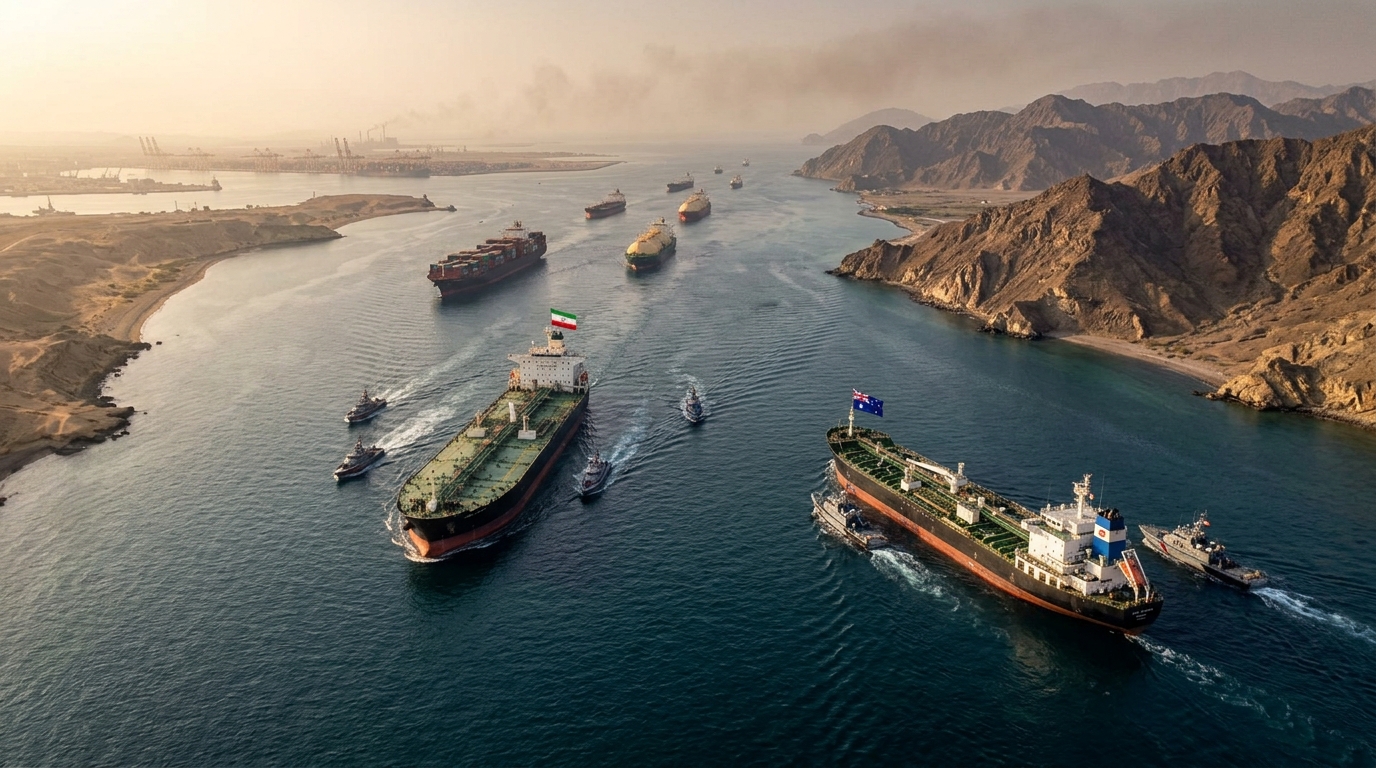
A significant geopolitical shift is underway as Iran has reportedly begun implementing restrictions on the passage of LPG, LNG, and crude oil through the strategically vital Strait of Hormuz. This move targets what Tehran considers "unfriendly" nations, including the United States, United Kingdom, United Arab Emirates, Saudi Arabia, Germany, Bahrain, Qatar, Kuwait, and Israel. Conversely, "friendly" nations such as China, Russia, Iraq, Pakistan, and India are reportedly being granted safe passage for their energy shipments.
Measuring Transit Volumes and Global Supply Disruptions
The Strait of Hormuz is a narrow waterway linking the Persian Gulf with the Arabian Sea and is one of the world's most critical chokepoints for oil transit. Roughly one-fifth of the world's total oil consumption, and a substantial portion of its liquefied natural gas, passes through this strait daily. Iran's reported actions, while not yet fully detailed in their enforcement or precise commencement, signal a potential escalation in regional tensions and could have far-reaching implications for global energy markets.
Remittance Squeezes and Domestic Inflationary Waves
For the millions of Filipinos working abroad, particularly the Overseas Filipino Workers (OFWs) in the Middle East, this development carries considerable weight. Several of the nations designated as "unfriendly" by Iran — including the UAE, Saudi Arabia, Qatar, and Kuwait — are major hosts for Filipino expatriate communities. Any regional instability or economic pressure on these countries could indirectly affect employment opportunities, living costs, and the overall welfare of OFWs. Increased global oil prices, a likely consequence of disruptions in the Strait of Hormuz, would translate to higher fuel costs in their host countries, potentially eroding their purchasing power and the value of their remittances. Back home, the Philippines, as a net importer of oil, is highly vulnerable to fluctuations in global energy prices. Higher crude oil costs would inevitably lead to increased domestic prices for gasoline, electricity, and goods, fueling inflation and placing additional financial strain on Filipino families. The ripple effect could impact everything from daily commutes to the cost of basic commodities, affecting every household in the Philippines.
Financial Planning and Interconnected Resource Monitoring
Filipinos globally, especially OFWs and their families, should closely monitor this evolving situation. Understanding the geopolitical landscape in the Middle East is crucial, given the region's importance to the global economy and as a primary destination for Filipino labor. While direct threats to OFWs have not been reported in connection with this specific development, the broader economic consequences are undeniable. Preparing for potential increases in living expenses and understanding how global energy shifts can impact the Philippine economy are key steps for financial resilience. Staying informed through reliable news sources is paramount during these uncertain times.