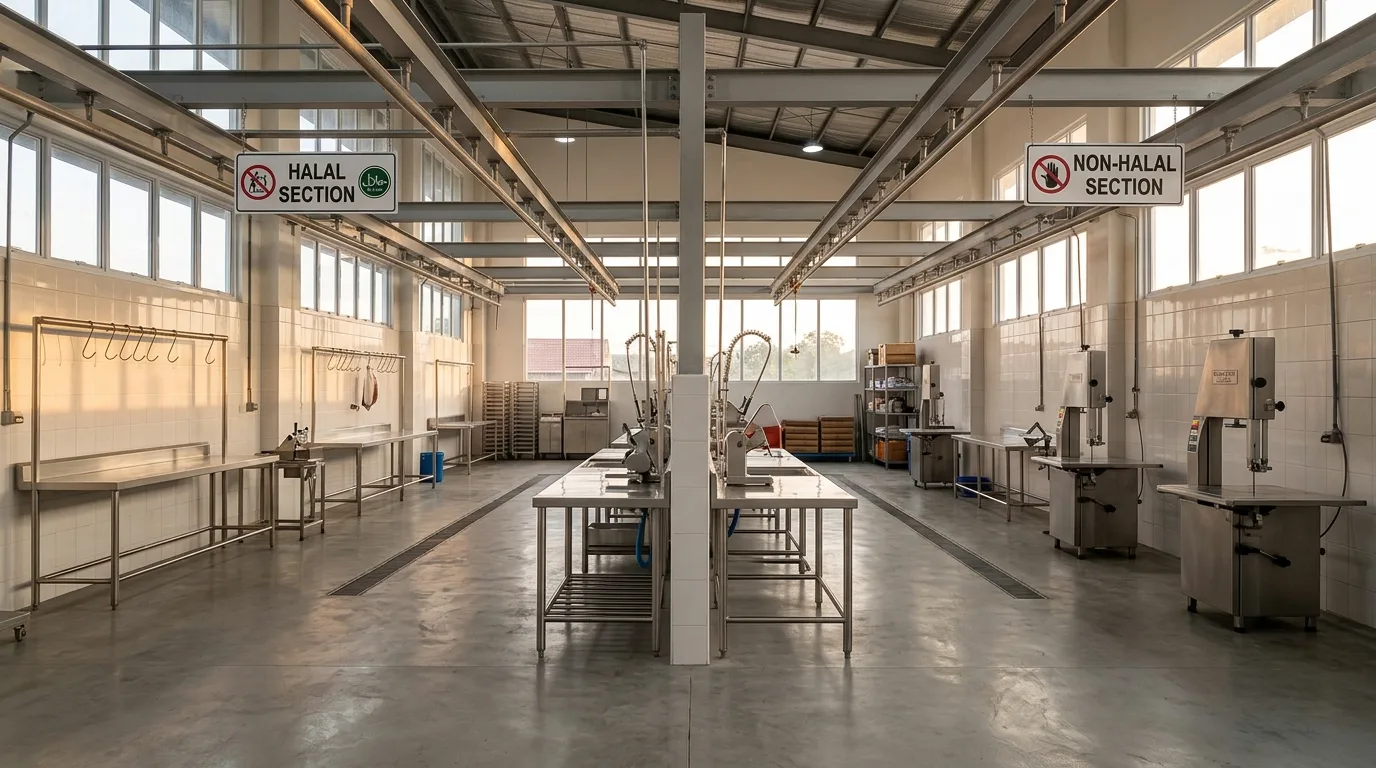
Davao — The City Government of Davao recently issued Executive Order No. 19, which effectively reconstitutes the Davao City Slaughterhouse Management Board. This administrative shift is designed to sharpen oversight and enhance the regulatory standards governing both halal and non-halal slaughterhouses located in Ma-a. By refining the board's structure, the city ensures that its meat-processing facilities strictly adhere to safety and sanitation benchmarks. This update reflects the city’s proactive approach to maintaining high public health standards for the food supply chain that thousands of residents depend on daily.
Refining Regulatory Frameworks
The reorganization of the management board is part of a broader move to modernize how the city handles essential food infrastructure. By defining clearer roles and responsibilities within the board, the executive order aims to streamline the decision-making process for daily operations. This structure ensures that both halal and non-halal processing facilities receive the specific oversight needed to comply with national sanitation codes. Such adjustments are vital for maintaining an efficient supply chain that prioritizes consumer safety above all else.
Strengthening Public Health Accountability
Safety standards within meat processing are critical to preventing foodborne illnesses, and this administrative change serves as a safeguard for public health. The newly empowered board is tasked with conducting regular, rigorous inspections to guarantee that all operations meet health protocols. By centralizing management authority, the city creates a direct line of accountability for any facility found to be non-compliant. This commitment to transparency helps maintain trust between the city’s regulatory bodies and the public they serve.
Supporting Sustainable Meat Processing
Beyond health standards, the board is also expected to look into long-term efficiency and operational sustainability for the Ma-a facilities. By optimizing how these centers function, the city hopes to reduce waste and improve the overall quality of products distributed to local markets. These improvements are essential for the city’s ability to reliably feed its growing population while adhering to modern industry best practices. Ultimately, this administrative update provides a stable foundation for a more resilient and sanitary meat industry in the city.