Davao — The Davao City Environment and Natural Resources Office (CENRO) has intensified its campaign for proper waste segregation, emphasizing that collective discipline among residents is the most effective tool for building a cleaner city. On July 6, 2026, officials highlighted that the city’s environmental health is not solely the responsibility of the government but relies heavily on the daily habits of every household. By focusing on household-level compliance, the office aims to significantly reduce the volume of waste destined for landfills. This effort serves as a critical strategy to empower citizens to take a direct, active role in maintaining the sustainability of their own neighborhoods.
Empowering Households as the First Line of Defense
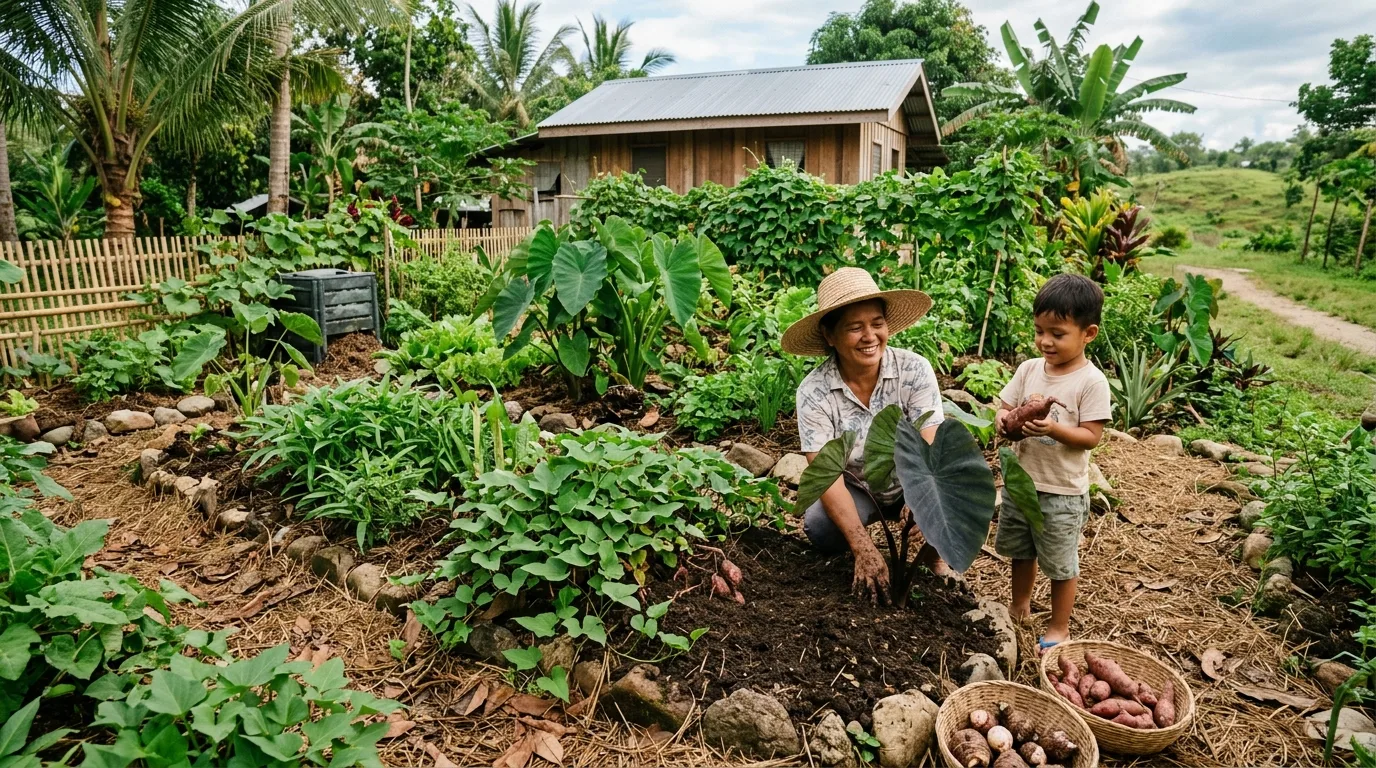
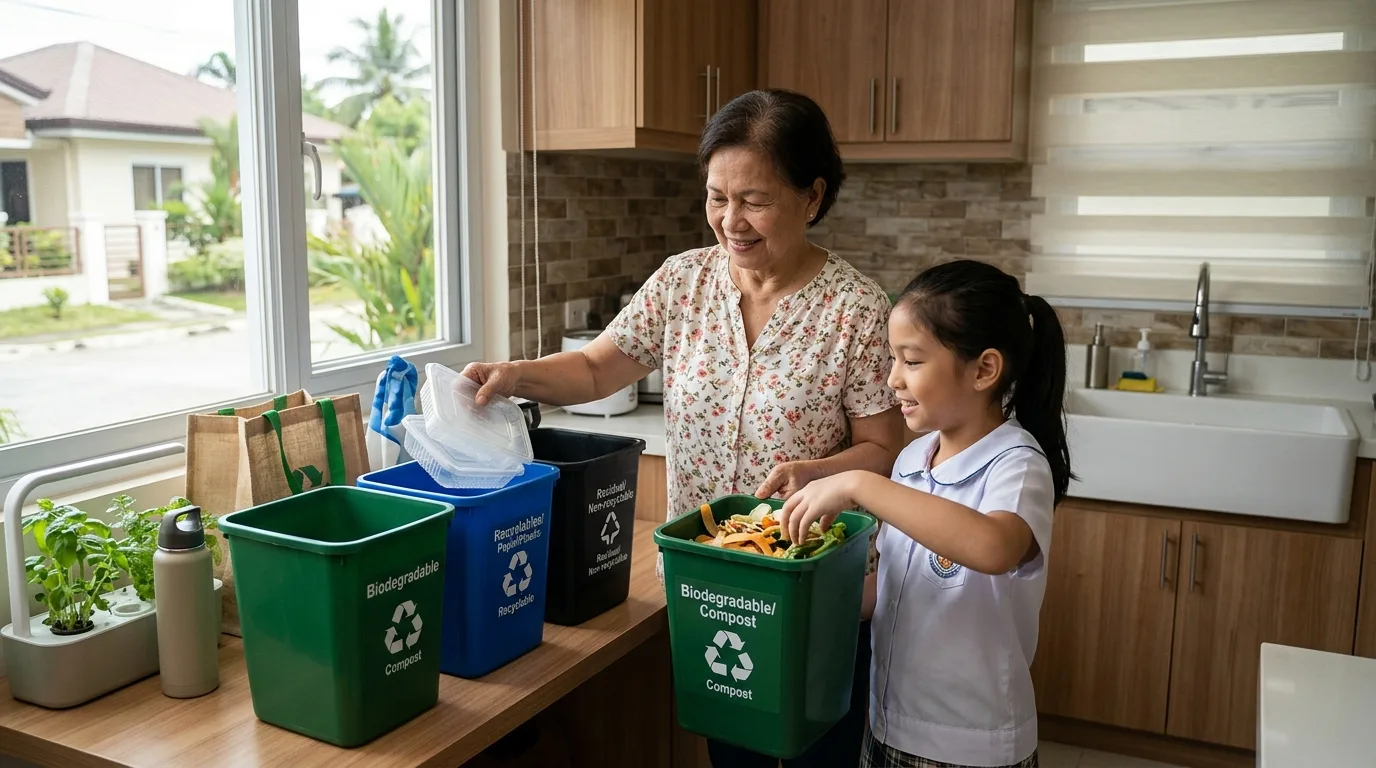
At the heart of this initiative is the message that effective waste management begins in the kitchen and the living room of every family. CENRO officials have urged residents to stop viewing segregation as a bureaucratic burden and instead see it as a personal contribution to the city's overall cleanliness. By separating biodegradable, recyclable, and reusable materials from residual waste before it even reaches the curb, families help prevent the overflow of collection points. This simple shift in domestic routine is identified by the city as the most powerful way for an individual to reduce the ecological footprint of their own household.
Beyond the 3Rs: Embracing a 10R Circular Economy
To provide residents with better guidance, the city is moving beyond the traditional 3Rs (Reduce, Reuse, Recycle) and promoting a more comprehensive 10R framework. This model includes concepts like "Rethink" and "Refurbish," encouraging residents to carefully consider whether a purchase is necessary or if a damaged item can be repaired before it is discarded. By integrating these practices, families can dramatically decrease the amount of residual trash that cannot be salvaged. This holistic approach helps citizens manage their own resources more efficiently while significantly easing the logistical strain on the city’s collection systems.
Building a Culture of Shared Responsibility
The city's campaign also stresses that urban cleanliness requires a unified effort, where no single entity can solve the waste issue alone. With dozens of barangays now operating Materials Recovery Storage (MRS) or dedicated facilities (MRF), the infrastructure for proper disposal is increasingly accessible to the public. However, the success of these systems remains entirely dependent on the cooperation and consistent participation of every resident. By fostering this culture of shared accountability, the government hopes to create a more resilient environmental framework that can handle the city’s daily waste output effectively.