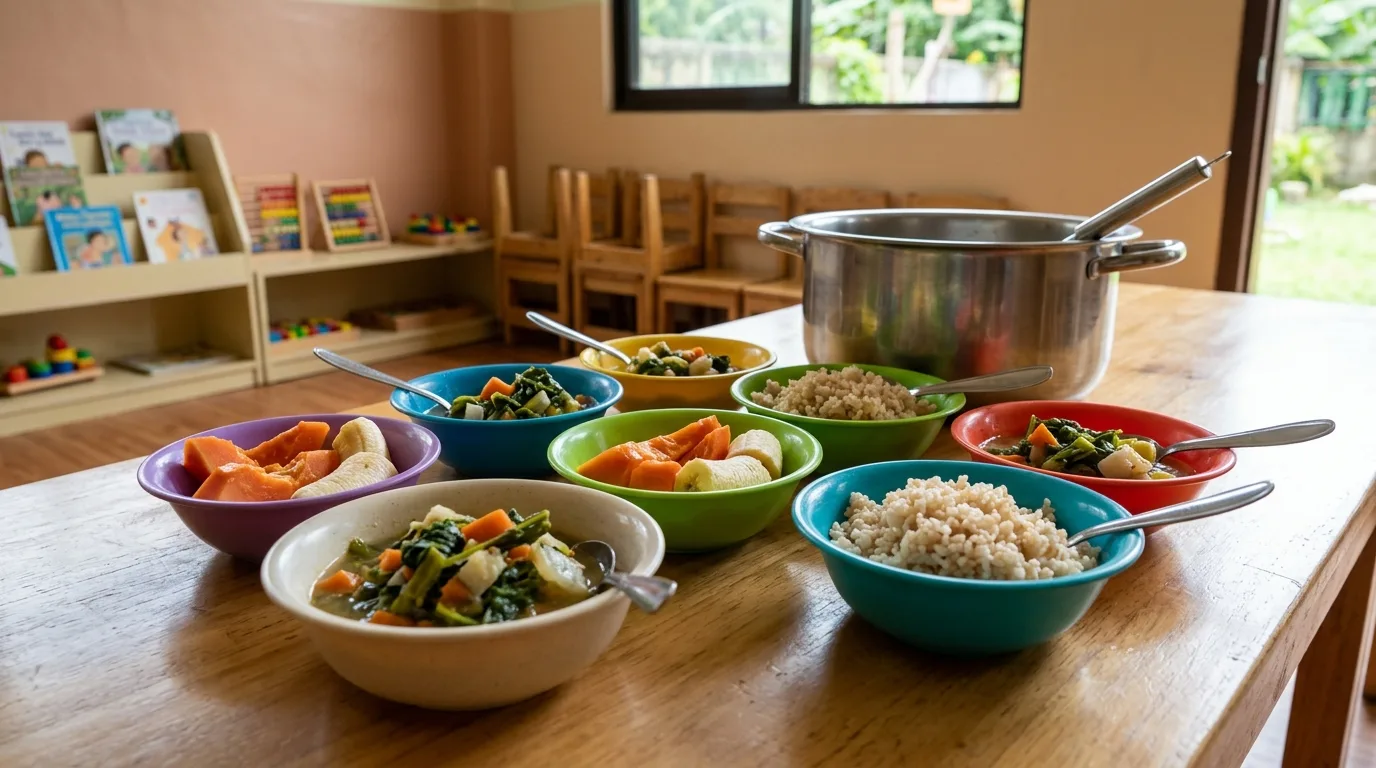
Cebu — The Department of Social Welfare and Development (DSWD-7) officially kicked off its 2026 Supplementary Feeding Program (SFP) on July 6, 2026, aimed at providing better nutrition to preschool children. This year, the initiative has been significantly bolstered, extending the program to 180 feeding days from the previous 120-day cycle. By focusing on children in day care centers across Central Visayas, the program seeks to provide the essential nutrition needed for healthy development during early childhood. This effort represents a key social investment intended to support families across the region.
Investing in Early Development
The decision to expand the SFP reflects a commitment to prioritizing child health as a foundation for future academic and social success. According to DSWD-7 Regional Director Shalaine Marie S. Lucero, this program is a vital investment in every Filipino child. By ensuring that day care students have access to nutritious meals, the government hopes to alleviate the long-term effects of malnutrition in the region. This expansion is designed to provide consistent support throughout the school year, rather than through short-term interventions.
Resilience Amidst Challenges
The program’s expansion comes after a period of instability for many local government units (LGUs) that were previously hit by environmental disasters. Past cycles of the feeding program had been disrupted by events like the earthquake in Northern Cebu and Typhoon Tino, which forced resources to be diverted to emergency relief. The new 180-day cycle aims to overcome these historical delays by improving procurement processes and fostering better coordination with local partners. This renewed focus ensures that even in the face of natural obstacles, the nutritional needs of children remain at the forefront of the social agenda.
Collaborative Community Care
Success for this expanded program relies heavily on the collaboration between the DSWD and various local government units. Both agencies have already begun the work of delivering meals to preschools throughout the Central Visayas area, signaling a smooth start to the new cycle. By working together, these organizations are addressing the logistical difficulties that plagued earlier years, such as bidding delays and administrative transitions. This joint effort demonstrates how coordinated public policy can directly improve the daily lives of families and their children across the province.