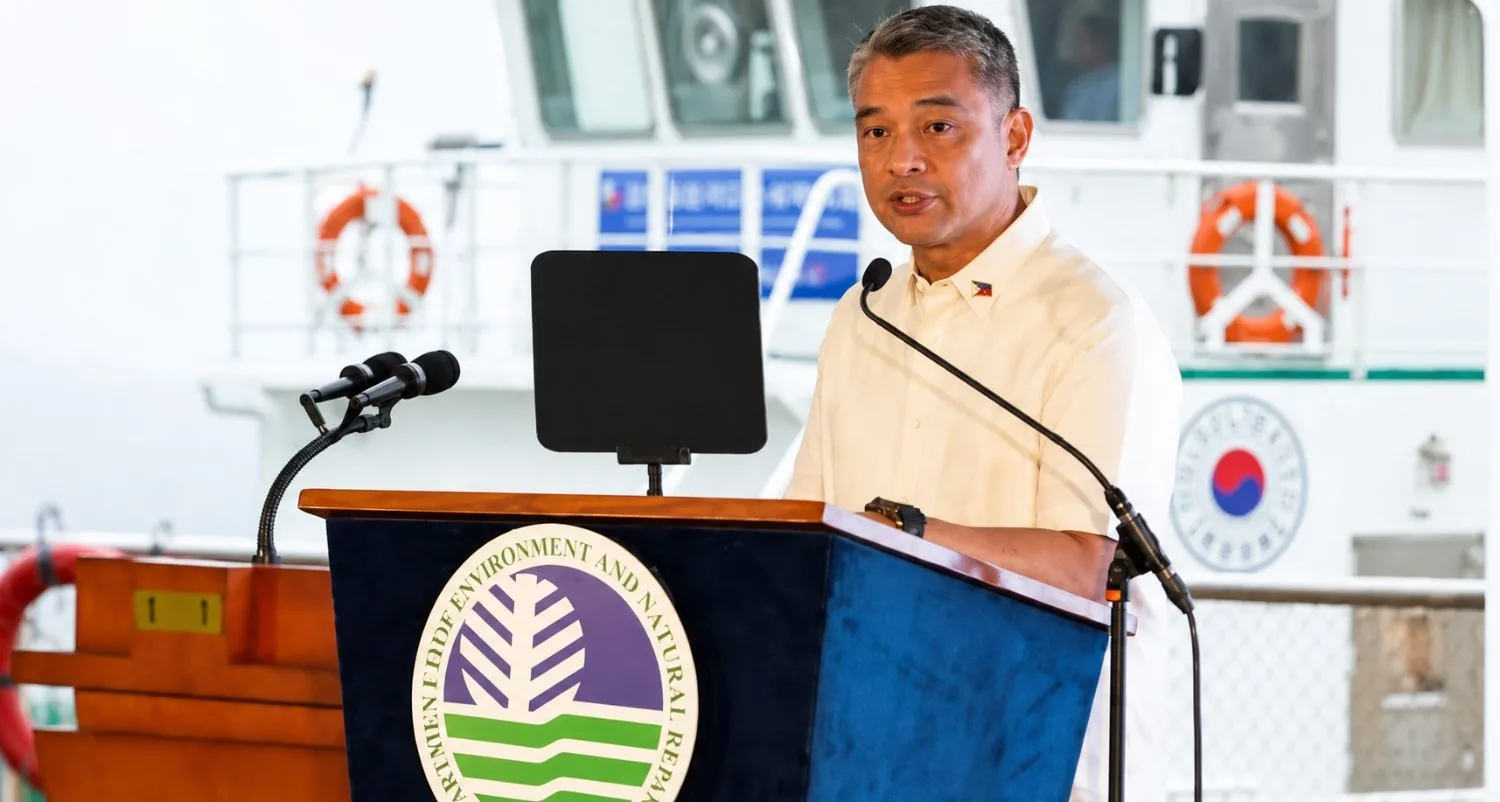
PALAWAN — In a landmark commitment to long-term climate security, the Department of Environment and Natural Resources (DENR) has officially integrated the Global Standard for Nature-based Solutions (NbS) into the nation’s climate resilience framework. This strategic move aligns Philippine environmental management with the world’s most rigorous scientific benchmarks, ensuring that the country’s ecological restoration efforts are not only effective but internationally recognized. By moving beyond traditional engineering and embracing nature-led interventions, the Philippines is preparing its landscapes and communities to withstand the escalating challenges posed by a warming planet.
Setting a World-Class Benchmark for Resilience
The adoption of this global standard marks a pivotal shift in how the Philippines approaches disaster risk reduction and environmental rehabilitation. Nature-based Solutions—such as large-scale mangrove reforestation, sustainable watershed management, and the protection of coral reefs—are now being rigorously evaluated against clear, science-based criteria to ensure they deliver measurable results for both biodiversity and human safety. By applying these standardized metrics, the DENR can better identify which projects are truly "resilient" and provide a roadmap for scaling up interventions that protect vulnerable coastal towns from storm surges and inland communities from erosion. This transparency not only helps attract international climate financing but also guarantees that local efforts are consistently contributing to the country’s national resilience goals.
Empowering Communities Through Nature-Led Development
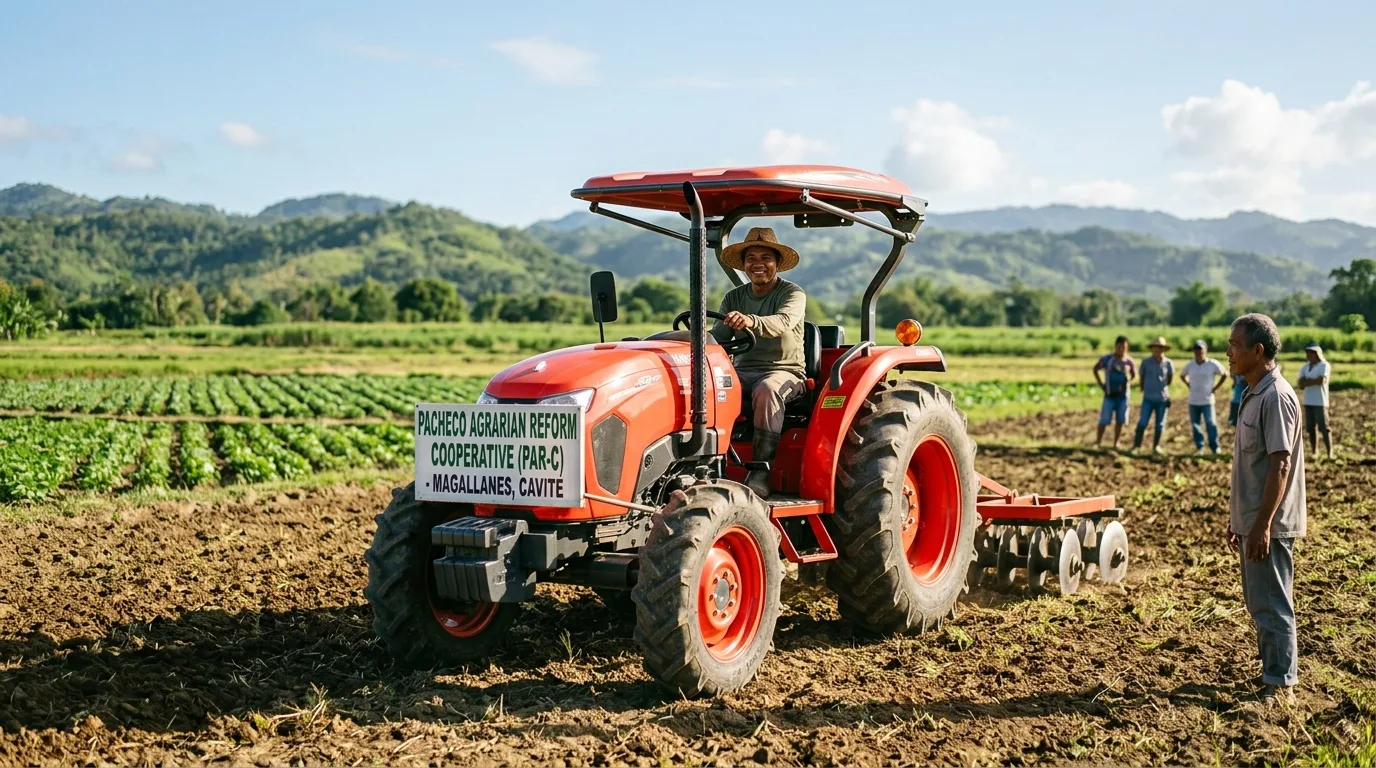
Central to this adoption is the goal of embedding climate resilience into the very fabric of local development, ensuring that nature and the economy thrive in tandem. The new policy mandates that all major NbS projects must actively involve local stakeholders, including Indigenous Peoples and small-scale farmers, ensuring that their traditional knowledge is integrated with modern scientific approaches. As the nation rolls out these standards, the DENR is also launching capacity-building programs to train local government units (LGUs) in the nuances of implementing and monitoring nature-led projects. This decentralized approach ensures that the global standard is adapted to the unique ecological realities of diverse provinces like Palawan, Aurora, and Benguet, creating a nationwide network of nature-protected zones.
Future-Proofing the Philippine Landscape
This alignment with global standards places the Philippines in a strong position to lead regional climate discourse, particularly as the nation prepares to scale up its Nationally Determined Contributions (NDCs) under the Paris Agreement. By standardizing the quality of NbS, the government is essentially "future-proofing" its natural capital, ensuring that the country’s forests and oceans continue to function as natural carbon sinks and buffers against extreme weather. This is more than just a policy change; it is a fundamental redesign of how we interact with our environment, viewing nature not as a separate entity to be managed, but as the essential infrastructure of our survival. As we move forward, this commitment guarantees that the Philippines’ growth is deeply rooted in the preservation of the ecosystems upon which all future prosperity depends.