ILOILO CITY — The Department of Agriculture (DA) has chosen Iloilo as the pilot province for its Agri Drone Project, delivering free drone-assisted services to over 2,000 hectares of rice farms this wet cropping season. The initiative aims to modernize agriculture, cut labor costs, and improve harvest efficiency.
Precision Farming Takes Flight
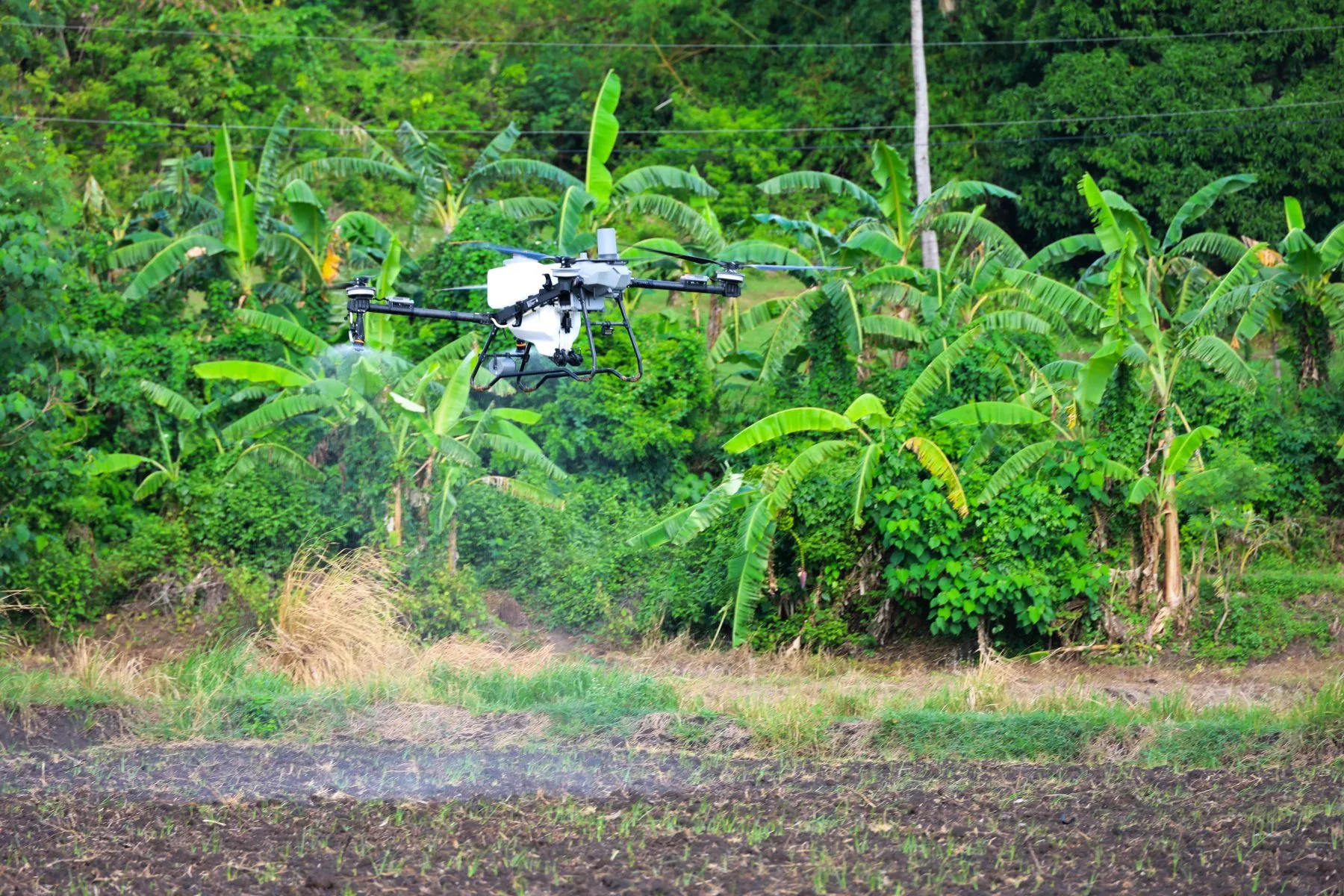
The project will cover 2,146 hectares across 15 municipalities, deploying drones for direct seeding, molluscicide application, and spraying of herbicides, insecticides, fungicides, and foliar fertilizers. Each drone can treat one hectare in just eight to ten minutes, a fraction of the time needed for manual or tractor‑based methods. The fast, uniform application reduces chemical waste and water usage.
Mark Lester Gamboa of the DA Western Visayas Rice Program said the target area was determined based on a validated masterlist of qualified farmers submitted by Municipal Agriculture Offices. The use of a validated list, rather than a voucher system, ensures that the benefits reach genuine rice growers. Geo‑mapping of farms will precede operations, enabling precise flight planning and accurate input delivery.
Efficiency Gains and Cost Savings
Drones dramatically cut the labor required for spraying and seeding, addressing the chronic shortage of farm workers in many rural areas. Compared with manual spraying, drone-assisted operations use significantly less water and chemical solution while achieving uniform coverage. This translates into lower production costs for farmers and reduced environmental impact.
The project is fully funded by the DA, with services delivered by an accredited private provider. Farmers are only responsible for providing their own seeds, fertilizers, pesticides, and water, all of which must be registered with the Fertilizer and Pesticide Authority. By removing the cost of drone operations, the program makes cutting‑edge technology accessible even to smallholders.
How Farmers Can Participate
Eligible farmers must be registered under the Registry System for Basic Sectors in Agriculture and coordinate with their local Municipal Agriculture Office for inclusion. There is no minimum or maximum farm size requirement, making the assistance available to all qualified rice growers regardless of landholding scale. This inclusive approach ensures that both small and large farms benefit from precision agriculture.
Gamboa emphasized that the program is a complete package spanning the entire rice production cycle, from seeding to pest control. Farmers who participate can expect not only savings but also improved yields through more accurate and timely farm operations. The service is designed to complement existing practices rather than replace them.
Iloilo as the Regional Test Bed
Iloilo is the only province in Western Visayas currently covered by the Agri Drone Project. The municipality of San Miguel has been allocated the largest service area at 200 hectares. If the pilot proves successful, the DA plans to expand drone services to other provinces in the region, advancing the modernization of the rice industry under the Masagana Rice Industry Development Program.
The project aligns with the national government’s push for digital transformation in agriculture. By showcasing the benefits of drone technology in a major rice‑producing province, the DA hopes to encourage wider adoption among farmers and local governments. The results will inform future investments in farm mechanization and precision tools.
A Model for Modern Agriculture
The Agri Drone Project demonstrates how technology can make farming more resilient and productive. With labor shortages and rising input costs challenging traditional methods, innovations like drone spraying offer a practical path forward. For Iloilo’s rice farmers, the free service represents not just a subsidy but a step toward a more sustainable and competitive agricultural sector.