From Paper Files to Connected Farm Records
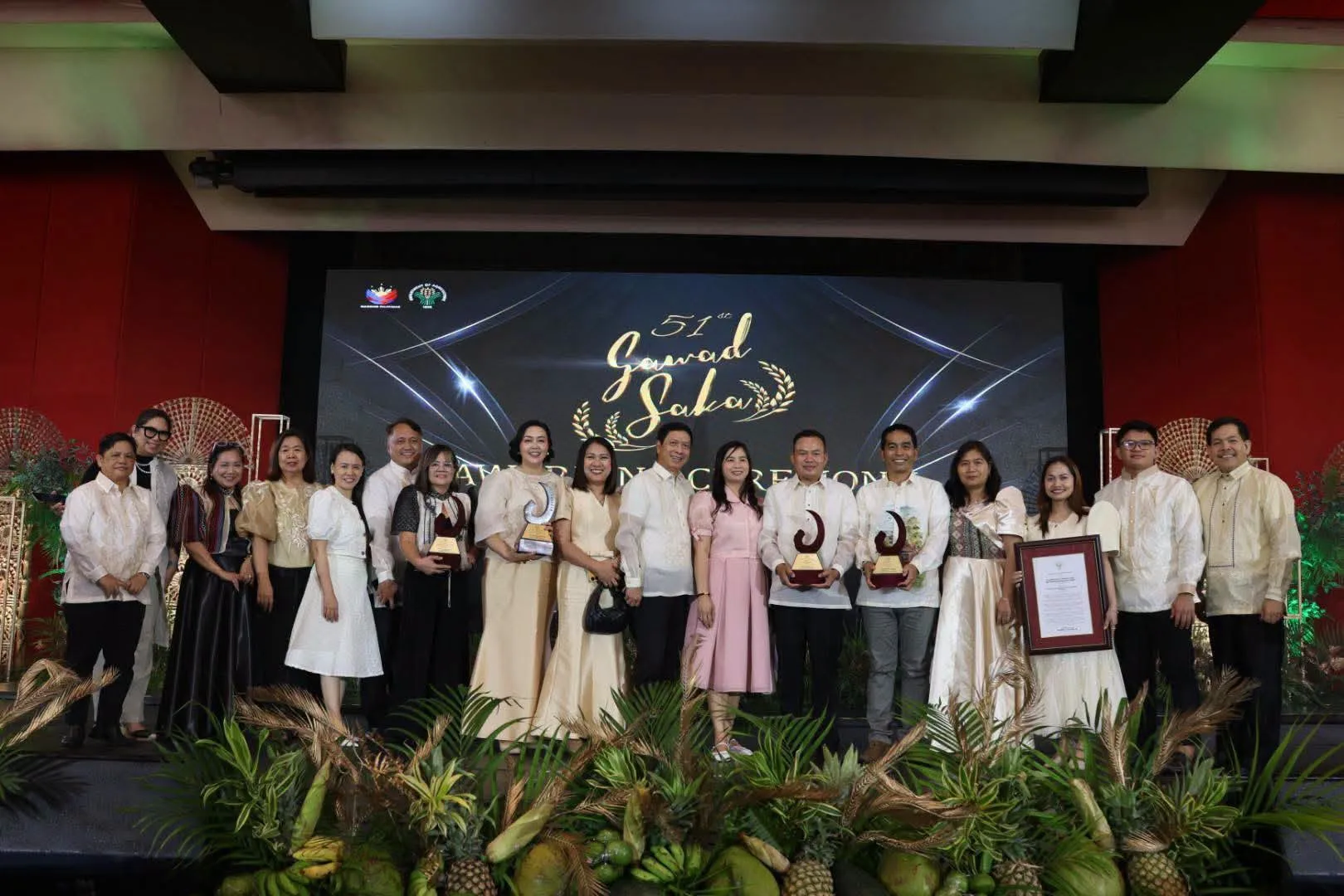
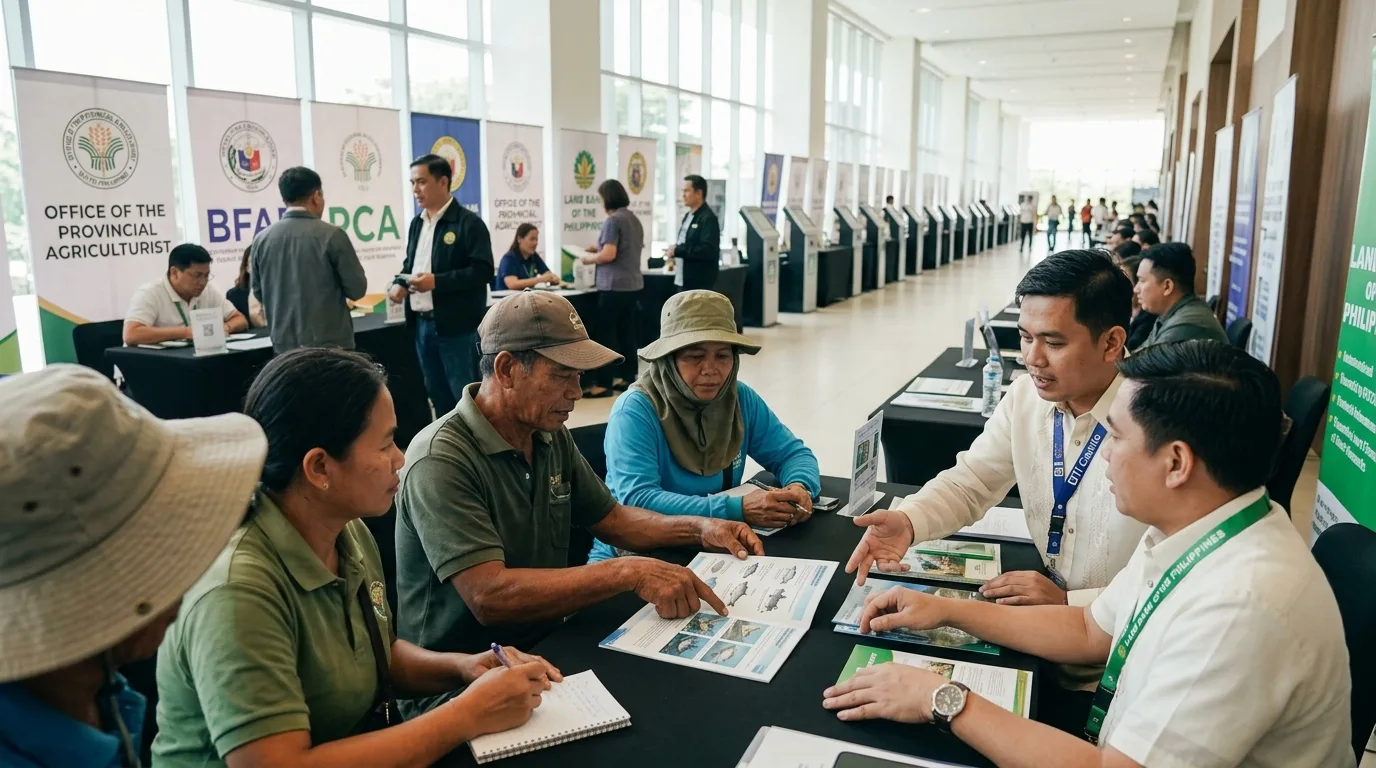
OZAMIZ CITY - For years, many agricultural programs depended on separate lists, handwritten reports, and individual documentation that often required repeated verification. The recent Asenso Agriculture Summit in Misamis Occidental highlighted the importance of bringing farmer information and project records into more connected digital systems. Instead of maintaining isolated databases, agencies discussed integrating information that can provide a clearer picture of farming communities. For Ozamiz City, this direction could make agricultural planning more organized by helping identify beneficiaries, monitor ongoing projects, and reduce unnecessary duplication in government-supported initiatives while encouraging more efficient coordination among agricultural offices.
Technology Supporting Better Decisions
Digitalization is not simply about replacing paperwork with computers. It creates opportunities for agricultural planners to evaluate crop production, monitor project implementation, and respond to local farming needs using more reliable information. During discussions at the agriculture summit, participants emphasized that accurate records contribute to stronger planning and better coordination between provincial and municipal agriculture offices. For farmers around Ozamiz City, organized information may help improve the delivery of extension services, training activities, and agricultural assistance by ensuring that available data reflects actual farming conditions rather than outdated or incomplete records collected through separate systems.
Building a Stronger Agricultural Network
Successful farming depends not only on productive land but also on effective communication between growers, agricultural technicians, and government agencies. Integrated digital records encourage collaboration because information becomes easier to verify, update, and share among authorized offices. As agricultural programs continue to evolve across Misamis Occidental, Ozamiz City can benefit from approaches that value accurate information alongside practical farming knowledge. While digital systems cannot replace the experience of farmers, they can strengthen planning, improve resource allocation, and help agricultural programs respond more efficiently to changing conditions affecting local food production and rural livelihoods.