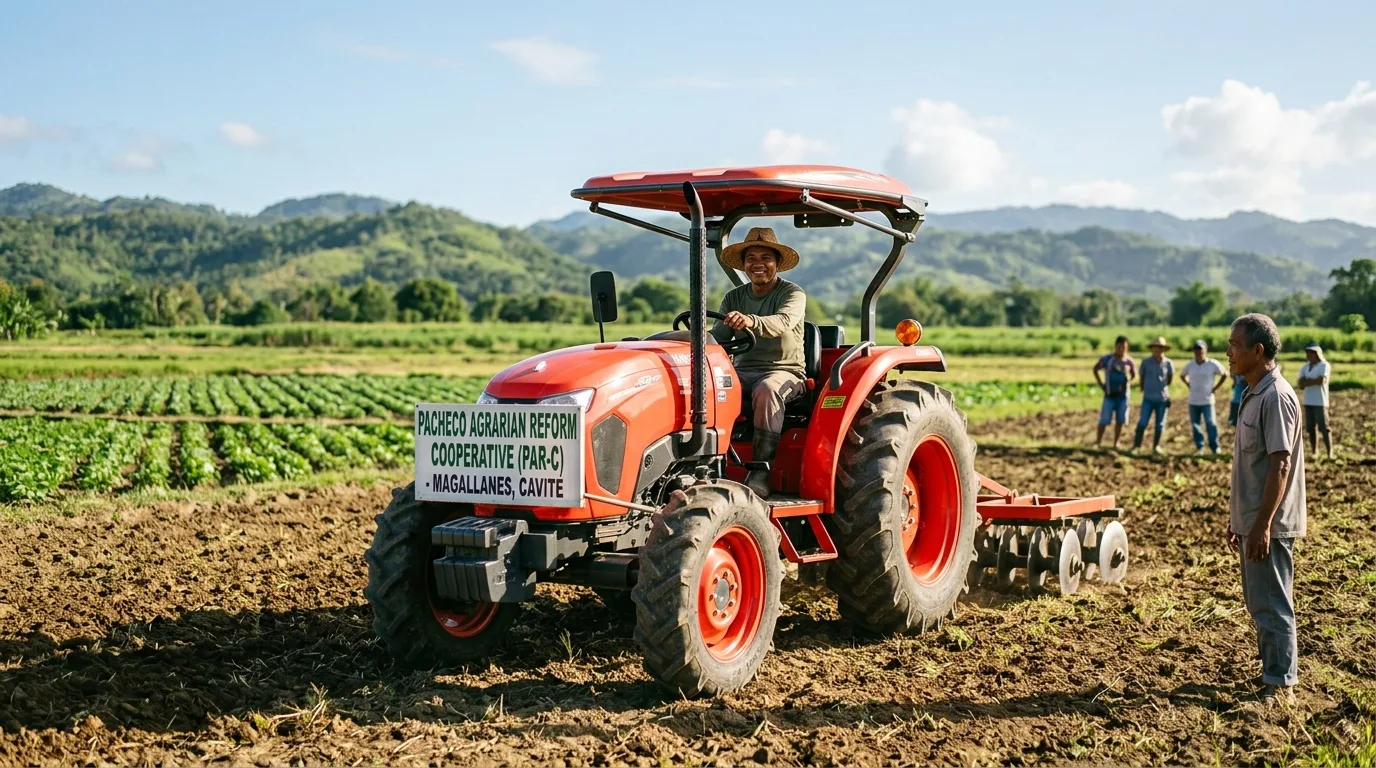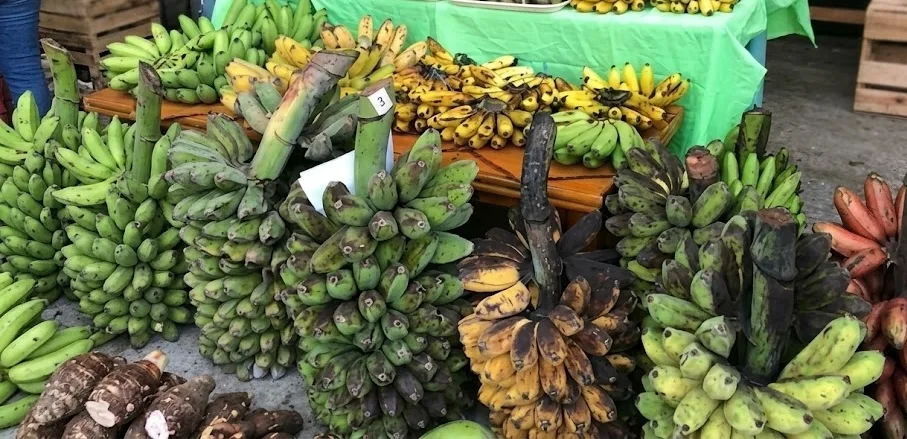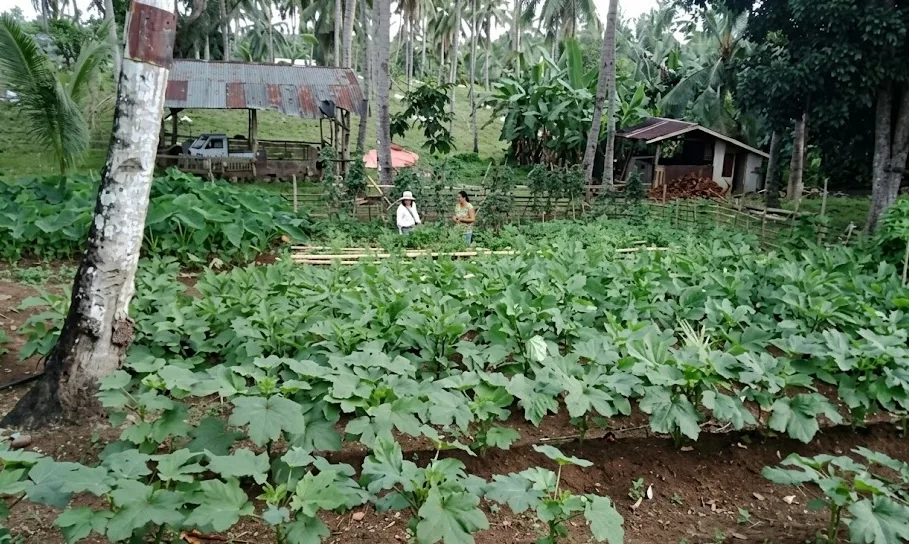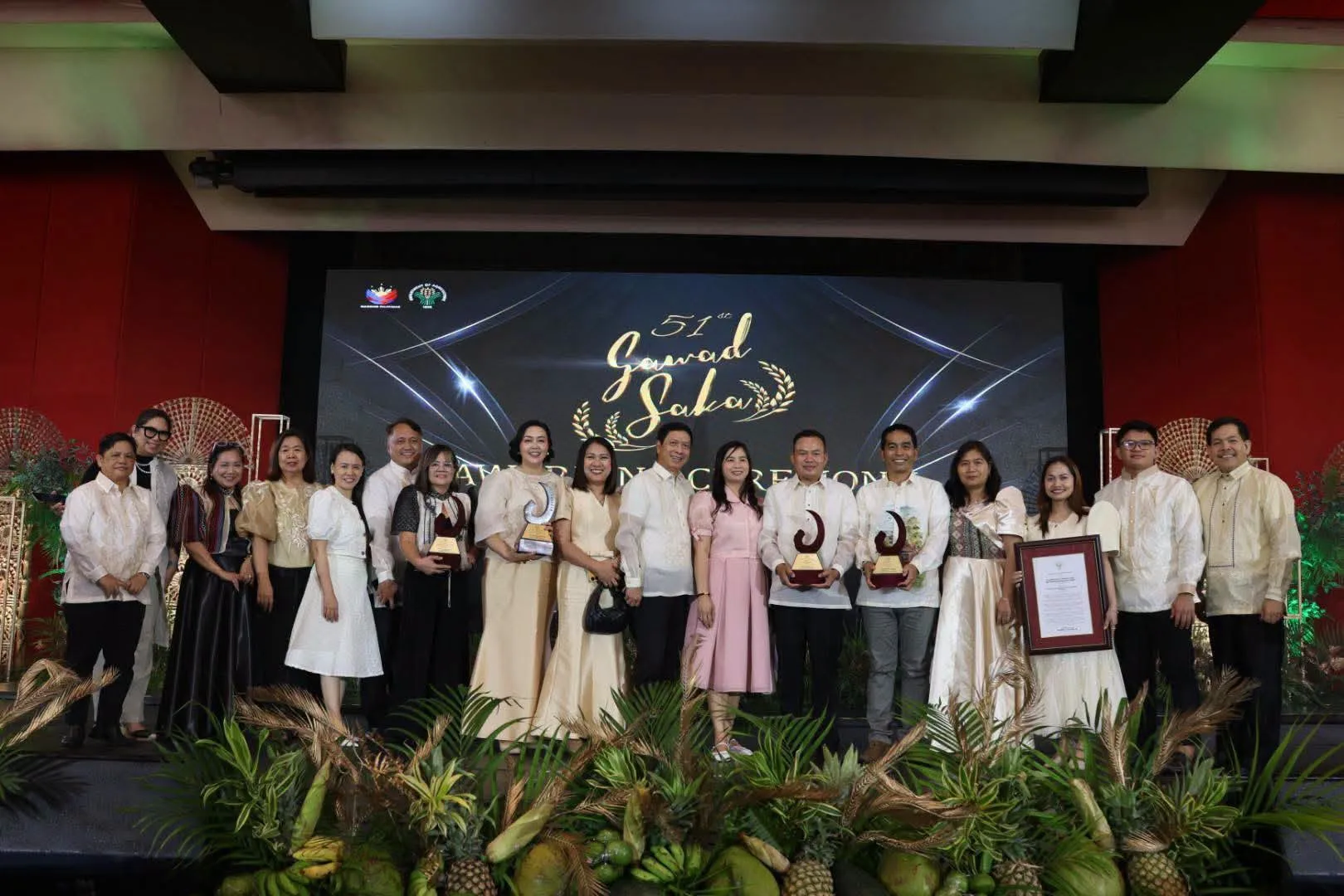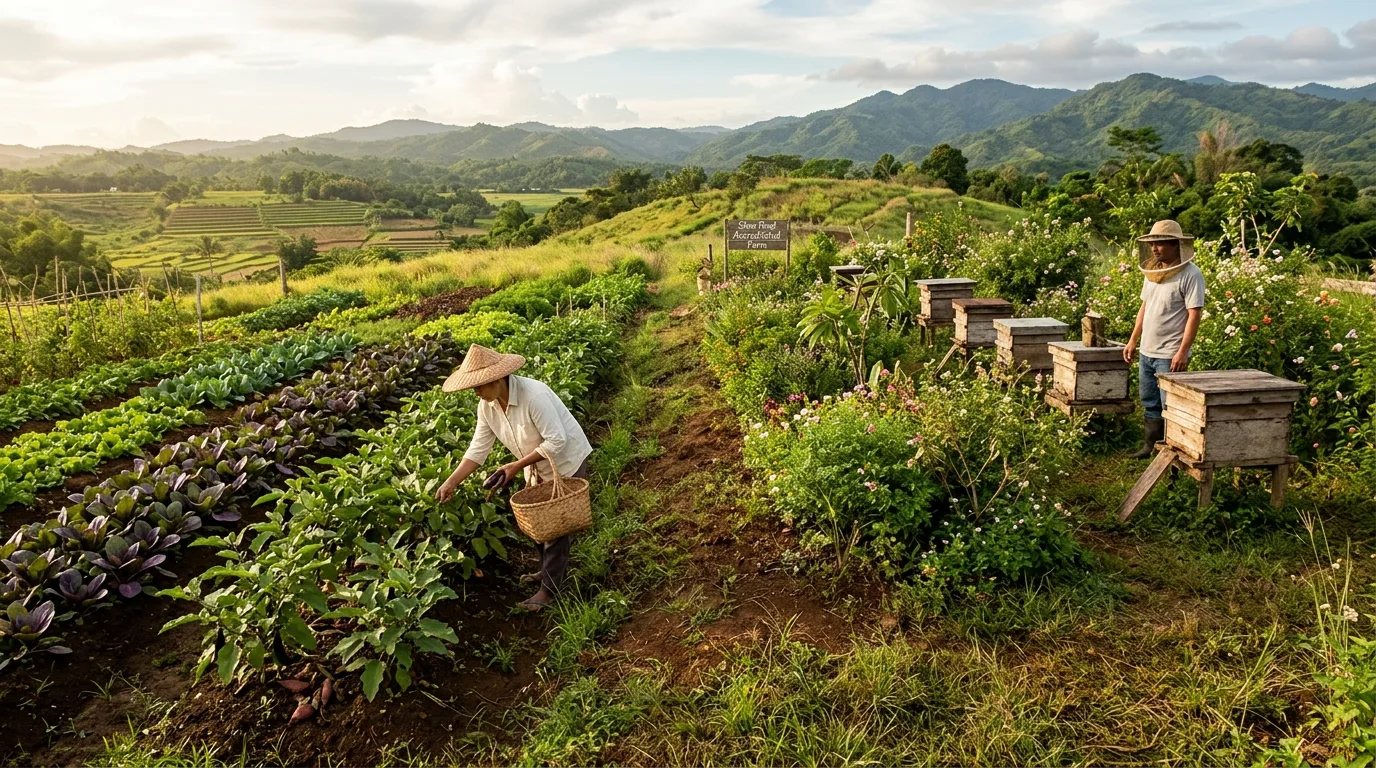
Kanayunan Farm in Magallanes and Los Pepes Farm in Indang, Cavite, have earned Slow Food accreditations for championing the movement's "Good, Clean, and Fair" principles. Kanayunan highlights heirloom crops and traditional practices, while Los Pepes is celebrated for its organic stingless beekeeping and regenerative agriculture. These accreditations, recognized by the Slow Food Community Cavite and the Department of Tourism CALABARZON, promote local biodiversity and agricultural cultural preservation.
Understanding the "Good, Clean, and Fair" Principles
The Slow Food movement, which originated in Italy in 1989, advocates for food that is enjoyable, environmentally sustainable, and economically fair. Its three core principles—good, clean, and fair—serve as a comprehensive framework for evaluating food production and consumption. Food should be good, meaning it is flavorful and delicious; clean, meaning its production does not harm health, animal welfare, or the environment; and fair, meaning it is accessible and produced under equitable conditions for workers. Los Pepes Farm's stingless beekeeping aligns with the "clean" and "good" principles by producing high-quality honey without harming the environment, while Kanayunan's preservation of heirloom crops supports both "good" flavor and "fair" conditions for local farming communities.
Kanayunan Farm: Preserving Heirloom Crops and Traditional Practices
Kanayunan Farm in Magallanes is dedicated to preserving heirloom crops and traditional agricultural practices. Heirloom plants are open-pollinated cultivars that have been passed down through generations, typically for at least 50 years, and are prized for their superior flavors, colors, and shapes. Unlike modern hybrids bred for uniformity and shelf life, heirloom crops represent a valuable genetic resource and a connection to cultural heritage. Kanayunan Farm's preservation of heirloom crops aligns directly with the Slow Food movement's Ark of Taste initiative, which seeks to catalog and protect endangered food varieties from extinction. By maintaining these traditional practices, Kanayunan supports local biodiversity and ensures that unique, culturally significant food varieties continue to thrive.
Los Pepes Farm: Organic Stingless Beekeeping and Regenerative Agriculture
Los Pepes Farm in Indang is recognized for its organic stingless beekeeping and regenerative agriculture. A visit to the farm is akin to a museum visit, as it exhibits several forms of beehives—some commonplace, others rooted in traditional practices. Owner Mac Bergonio transitioned from his dream of becoming a seaman to becoming a stingless beekeeper, now running a farm that produces honey from stingless bees. The farm's regenerative agriculture practices emphasize working with natural nutrient, carbon, and hydrological cycles to rebuild soil function and biological activity. This approach supports ecological restoration and contributes to climate change mitigation through enhanced carbon sequestration and reduced reliance on synthetic inputs. By combining traditional stingless beekeeping with regenerative practices, Los Pepes Farm demonstrates a holistic approach to sustainable farming.
Cavite's Growing Role in the Slow Food Movement
The Slow Food Community Cavite has been actively promoting local food heritage and biodiversity. Terra Madre Day, celebrated annually on December 10 in around 160 countries, brings Slow Food communities together to celebrate local food cultures. In recent years, the Slow Food Cavite community has highlighted the specialties of lesser-known towns like Magallanes, Maragondon, and Indang. Through these accreditations, Kanayunan Farm and Los Pepes Farm are being recognized as models of sustainable agriculture. This recognition not only validates their practices but also encourages broader adoption of agroecological methods and consumer awareness of the importance of supporting local food systems.