Why Dialysis Care Changes Daily Life
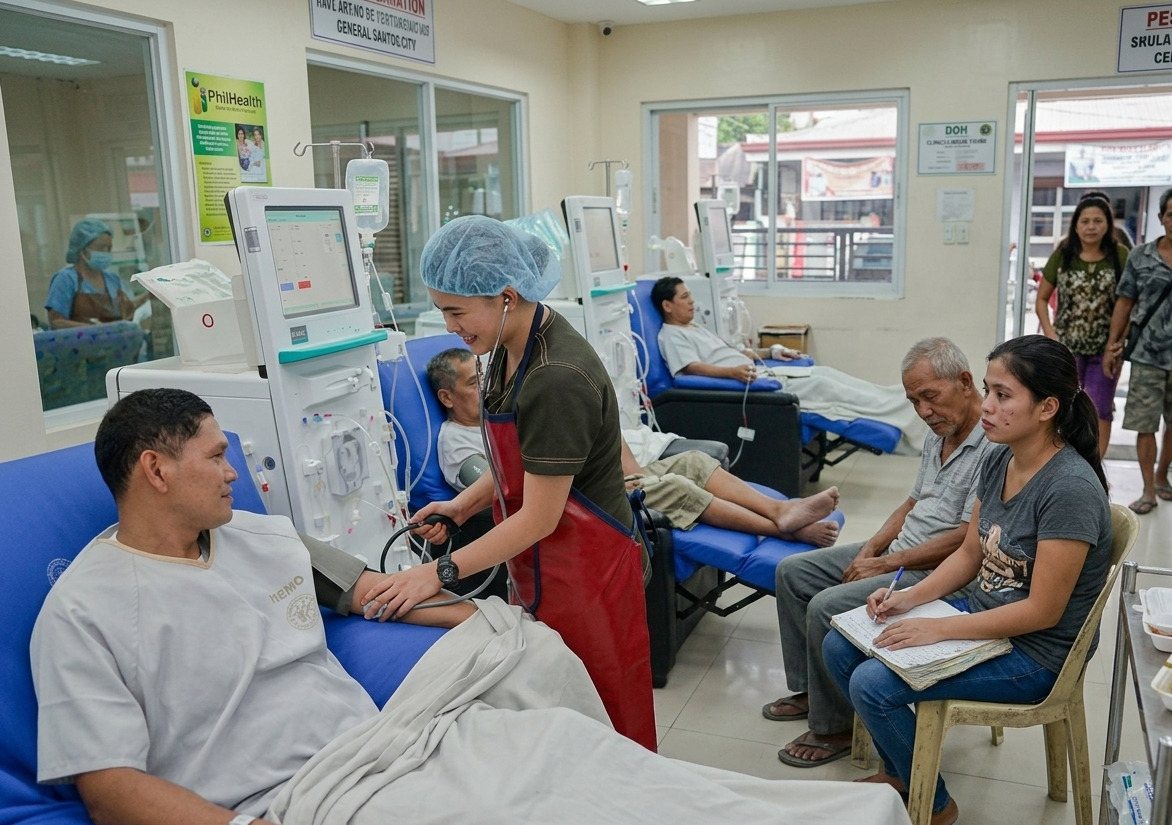
Dialysis treatment affects far more than medical schedules alone. Patients often reorganize work routines, transportation, and family responsibilities around recurring treatments several times each week. This creates long-term physical, emotional, and financial pressure for households. In many cases, family members also become caregivers alongside healthcare workers. Chronic healthcare support becomes part of everyday living rather than occasional treatment.
Healthcare Costs Remain a Major Concern
Even with PhilHealth support and assistance programs, dialysis-related expenses can still accumulate over time. Transportation, medication, laboratory work, and nutritional needs all add additional costs beyond treatment itself. Families often search for clinics that balance accessibility with affordability. Healthcare decisions become deeply tied to practical financial planning. Long-term illness changes how households approach budgeting and stability.
The Growing Need for Long-Term Healthcare Systems
Dialysis centers reflect how healthcare systems are increasingly dealing with chronic conditions instead of only emergency treatment. Long-term care requires consistency, staffing, and stable medical infrastructure. In regional cities like General Santos, healthcare demand continues expanding alongside population growth and lifestyle-related illnesses. The healthcare conversation is gradually becoming more focused on sustained treatment rather than isolated medical events. Chronic care is becoming one of the defining pressures on modern healthcare systems.