The Demand for Medical Workers Remains High
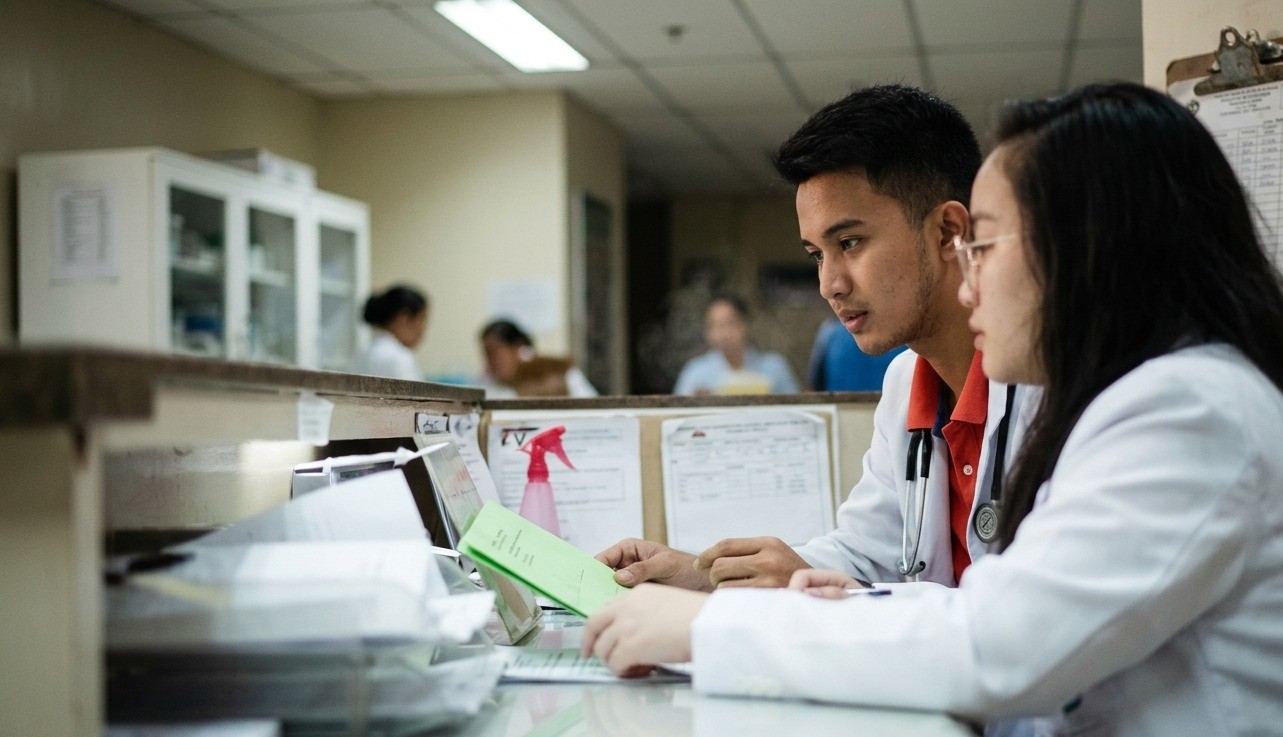
Healthcare institutions across the Philippines continue hiring aggressively as patient demand grows. Nurses and allied health professionals are actively discussing application timelines, onboarding schedules, and work assignments online. These conversations reflect how competitive and demanding hospital staffing has become. Facilities need workers quickly, but applicants are also becoming more selective about workload and compensation. Staffing shortages can directly affect how efficiently hospitals operate.
Why Staffing Affects Patient Experience
Patients rarely see the operational side of healthcare, but staffing levels influence nearly everything inside a hospital. Long waiting times, slower admissions, and delayed procedures can all trace back to manpower limitations. Hospitals with stable staffing are often able to provide more consistent patient care. In healthcare hubs serving multiple provinces, staffing pressure becomes even more noticeable. The issue affects both public and private institutions.
A Healthcare System Is More Than Buildings
Modern healthcare conversations often focus on new facilities and upgraded equipment. But healthcare workers themselves remain one of the biggest factors shaping patient outcomes. Retaining skilled nurses, technicians, and support staff is becoming just as important as expanding infrastructure. In many ways, the long-term strength of healthcare systems depends on whether hospitals can sustain healthy working environments. That conversation continues quietly behind the scenes in many Philippine cities, including General Santos.