Waiting Time Shapes Patient Perception
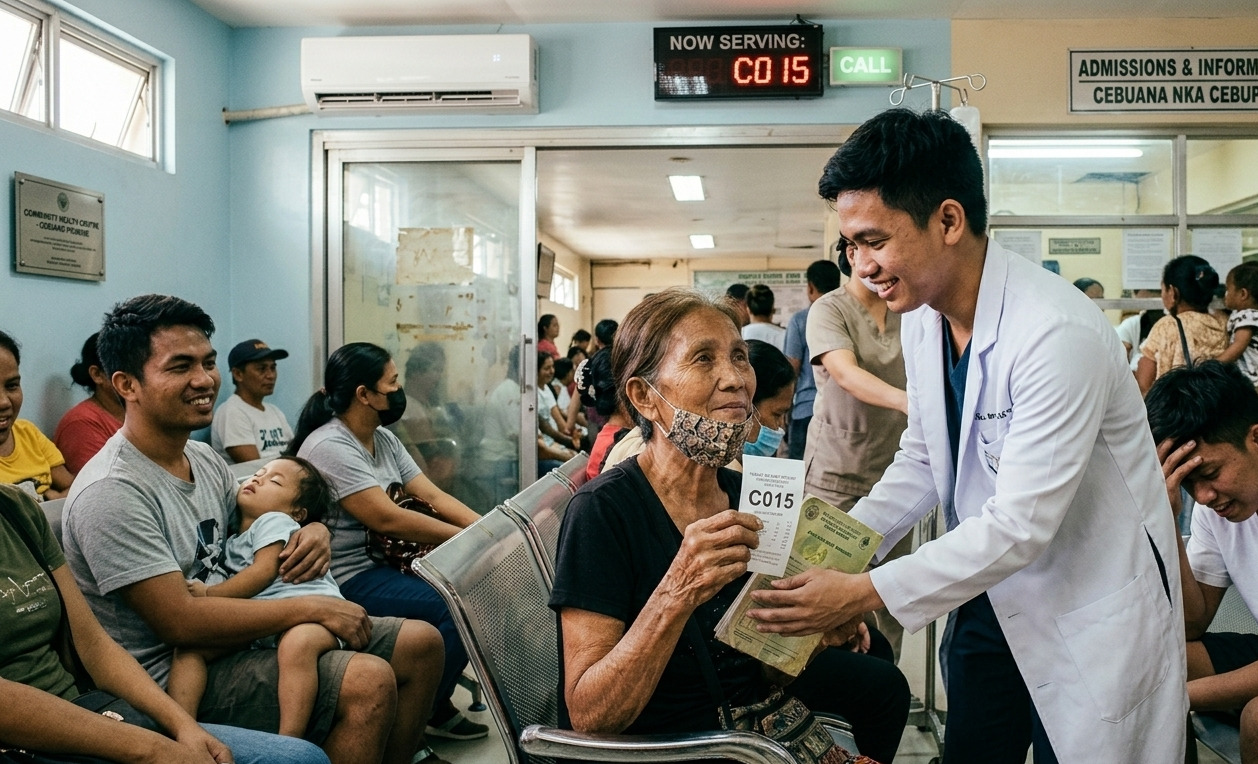
One of the first things patients notice is how efficiently hospitals manage flow and coordination. Long queues, delayed admissions, and unclear processes can quickly increase frustration during already stressful situations. Some healthcare facilities are trying to improve scheduling and patient communication to reduce confusion. Even small operational improvements can significantly affect patient comfort. Healthcare systems are being evaluated not only by outcomes but also by experience.
Communication Matters More Than People Expect
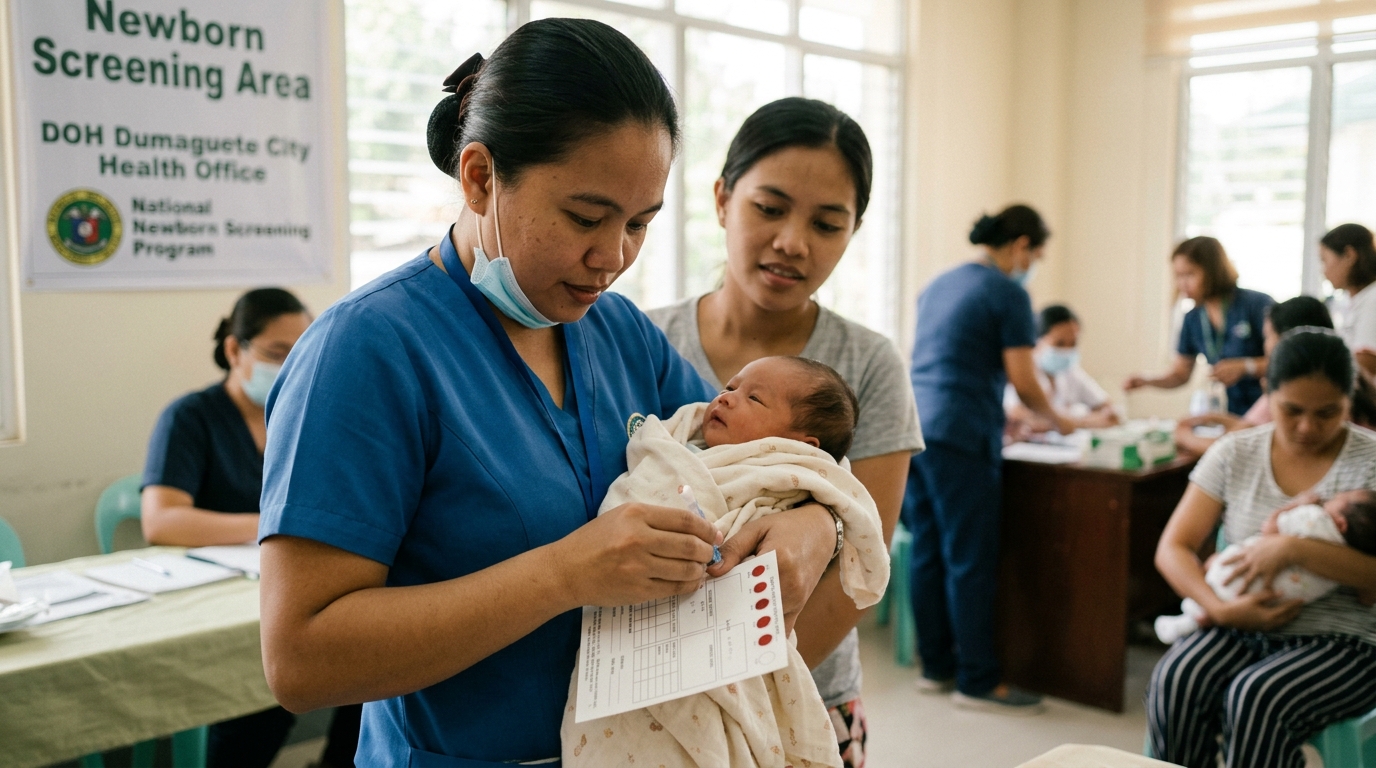
Patients often remember how healthcare workers communicate during stressful moments. Clear explanations, organized instructions, and respectful interaction can strongly influence trust in medical institutions. Miscommunication, on the other hand, can create anxiety even when treatment itself is effective. Healthcare systems increasingly recognize that patient confidence depends heavily on communication quality. Emotional reassurance has become part of healthcare service itself.
Hospitals Are Managing More Than Illness
Modern hospitals handle much more than direct treatment. Administrative coordination, insurance processing, patient navigation, and family concerns all affect daily operations. In busy healthcare environments, efficiency becomes just as important as medical expertise. This operational side of healthcare is becoming more visible as patient demand continues rising. In General Santos, healthcare systems are evolving not only medically but organizationally as well.