Clinics Handle More Than Basic Checkups
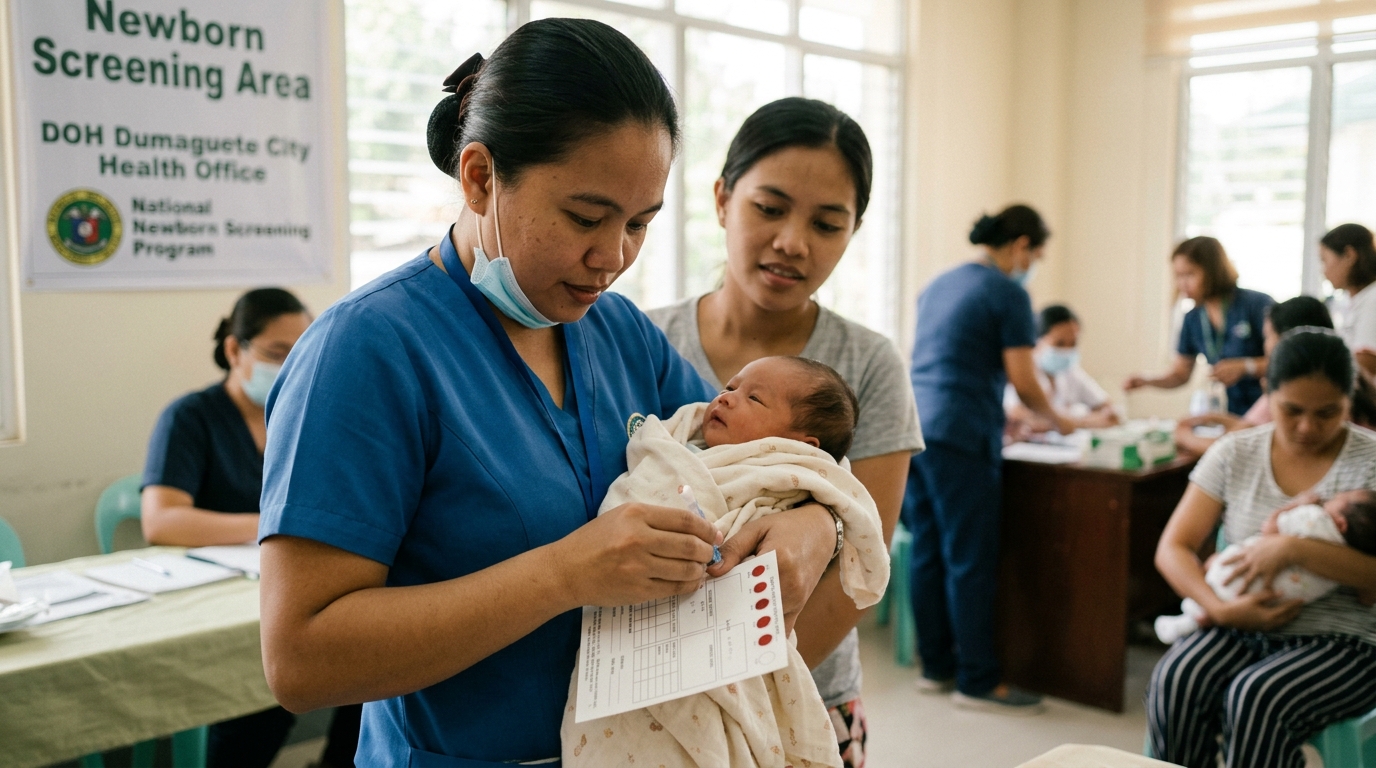
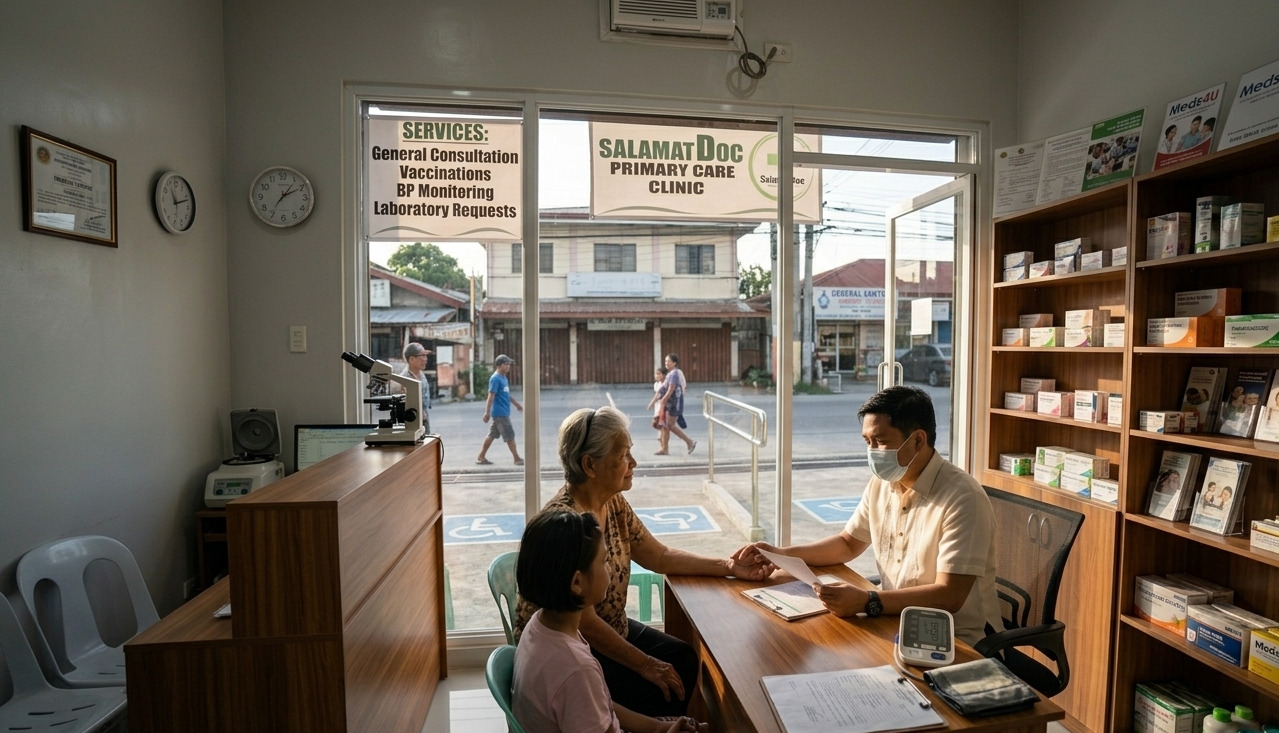
Smaller healthcare facilities often manage a wide range of patient concerns beyond routine consultations. Vaccinations, blood pressure monitoring, laboratory requests, and follow-up care are commonly handled through clinics. Many residents choose clinics because they feel more accessible and less overwhelming than larger hospitals. For some patients, clinics become their first and most consistent healthcare contact. Primary care remains one of the foundations of healthcare systems.
Accessibility Changes Healthcare Decisions
Patients frequently choose healthcare providers based on convenience, waiting time, and affordability. Clinics located near residential communities can encourage earlier consultations before conditions worsen. This accessibility helps reduce pressure on larger hospitals managing more serious cases. Healthcare systems rely heavily on functioning primary care networks to remain efficient. Smaller facilities quietly support broader healthcare stability.
Healthcare Systems Depend on Everyday Care
Much of healthcare happens through routine monitoring and preventive treatment rather than emergency intervention. Clinics play an important role in detecting illnesses early and managing long-term conditions consistently. As healthcare demand grows in regional cities, smaller facilities continue becoming increasingly important. In General Santos, clinics remain deeply connected to how residents experience healthcare on a daily basis. The healthcare system depends as much on small consultations as major procedures.