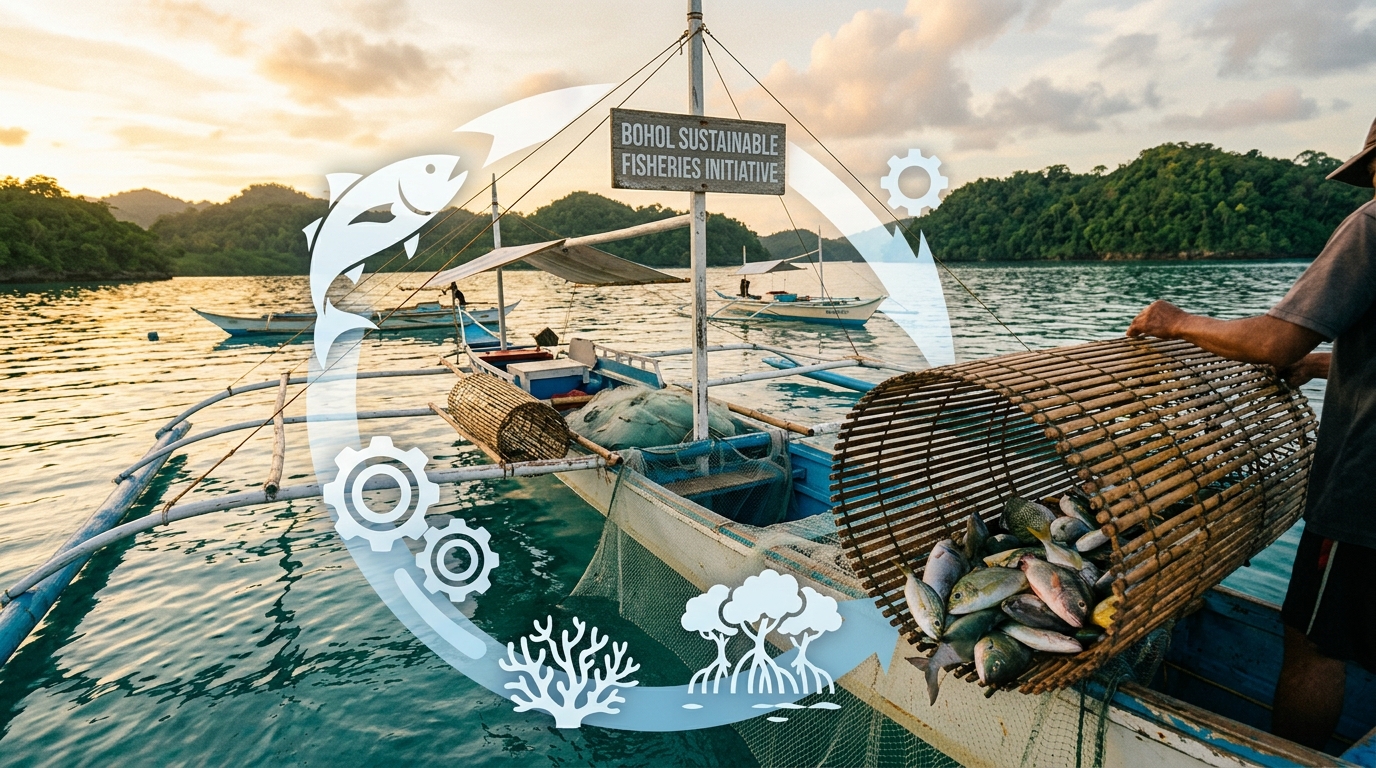
Bohol — Bureau of Fisheries and Aquatic Resources (BFAR) National Director Elizer Salilig visited Bohol from June 2 to June 3, 2026, to personally evaluate the challenges and successes of the local fishing sector. During his visit, Salilig participated in a hands-on "lambaklad" set-net harvest, a Japanese fishing technology that promotes sustainable and high-yield practices for local communities. The visit was part of the "Mangingisdang Direktor" (Fisherfolk Director) program, which aims to bring national policy closer to the realities faced by coastal workers. This firsthand interaction is designed to ensure that the government's regional fisheries programs are both effective and grounded in the actual needs of Boholano fisherfolk.
Testing Sustainable Technologies
The visit highlighted the importance of modernizing fishing techniques to ensure long-term food security for the region. Salilig checked on several key infrastructure projects, including the Upland Tilapia Hatchery in Mayana, Jagna, and the ongoing construction of the Aqua-Business Technology Incubator in Ubay. These facilities are intended to bolster the province's capacity for fry and fingerling production, which is essential for sustainable aquaculture. By promoting technologies like the set-net harvest, the BFAR aims to provide local fishers with tools that are both environmentally friendly and economically productive.
Dialogue Over Bureaucracy
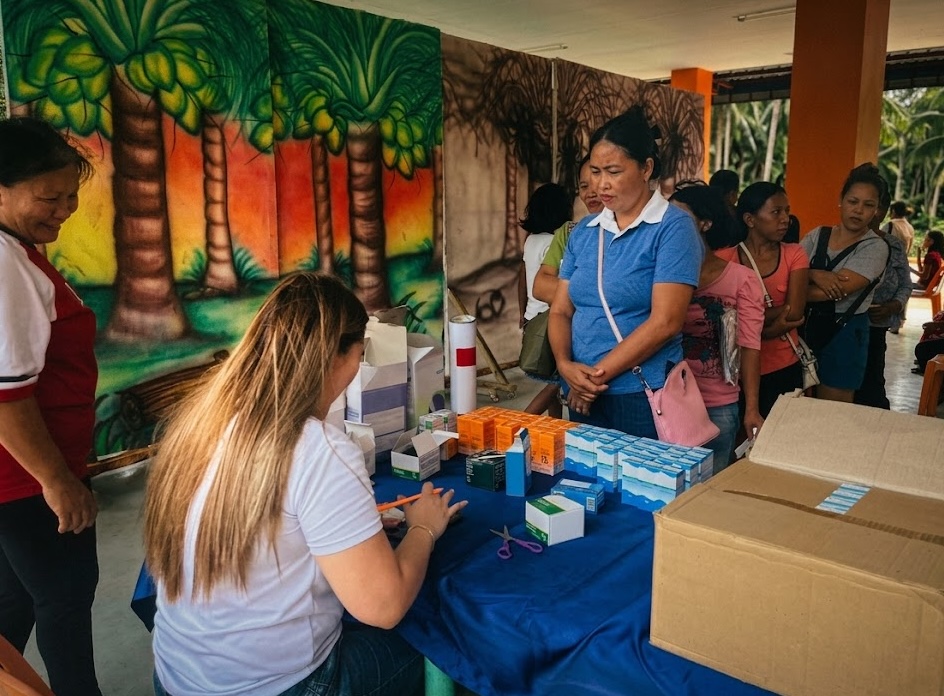
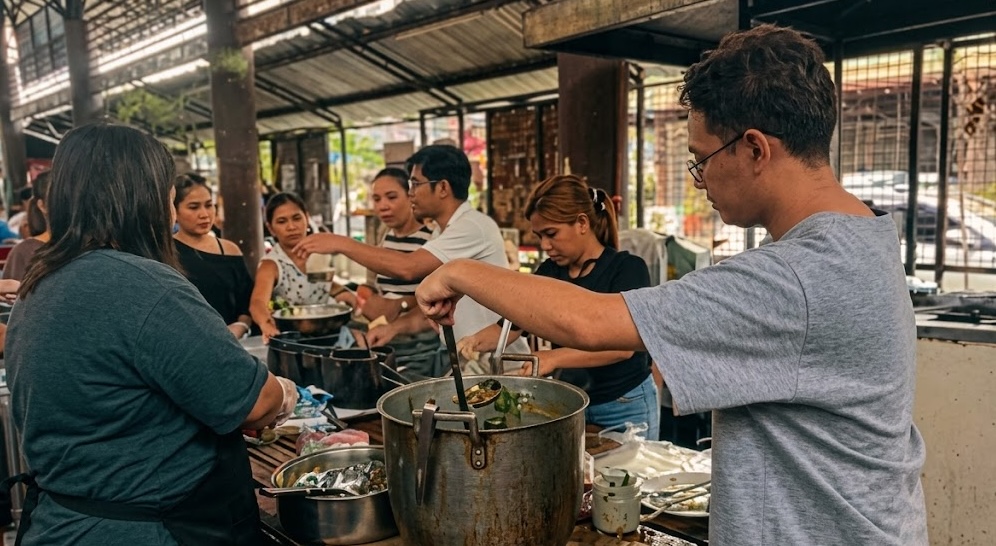
A significant portion of the visit was dedicated to focus group discussions with the East Lungsodaan Fisherfolk Association in Garcia Hernandez. By sitting down with those who work the waters every day, Director Salilig sought to understand the specific hurdles the industry faces, such as market access and equipment needs. This collaborative approach allows the national government to refine its regional policies, making them more responsive rather than rigid or outdated. The fisherfolk’s input is directly influencing how the agency allocates support for the remainder of the year.
Strengthening Regional Food Security
Bohol’s role in the region's food supply is paramount, and the government’s sustained support for its fisherfolk is a core pillar of provincial development. The Director concluded his visit by presiding over a regional management meeting where he emphasized that policy should be a reflection of ground-level experience. This commitment to active, presence-based leadership ensures that Bohol remains a leader in sustainable fisheries within Central Visayas. As the province continues to innovate, the focus will stay on maintaining the balance between resource extraction and ecological replenishment.