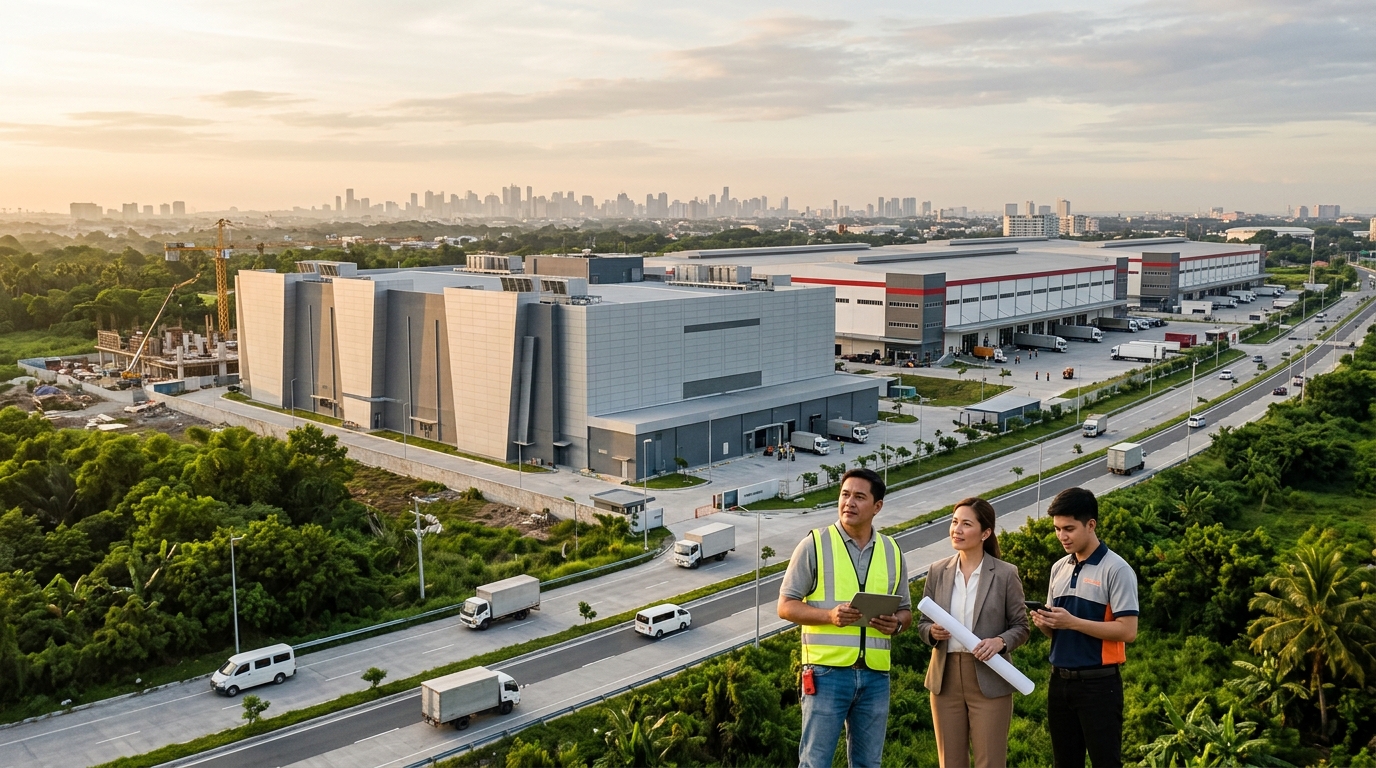
Philippines — The Philippine property market is demonstrating remarkable resilience, largely anchored by the robust expansion of its logistics and data center industries, according to the Asia Pacific Real Estate Association (APREA). This insight highlights a significant shift in the drivers of real estate growth, moving beyond traditional residential and office spaces to specialized industrial and technological infrastructure. This strategic focus on logistics and data centers positions the Philippines as a key player in the regional digital economy and supply chain networks.
The Drivers of Infrastructure Demand
The surge in e-commerce and the increasing demand for cloud computing services globally have fueled the need for modern warehousing, distribution hubs, and state-of-the-art data storage facilities within the country. These developments not only attract substantial foreign and local investment but also create a stable foundation for the broader real estate sector, insulating it from some of the volatility seen in other segments.
Economic Stability and Local Opportunity
For Filipinos, both domestically and for Overseas Filipino Workers (OFWs) sending remittances home, this trend carries significant weight. A resilient property market often signifies underlying economic stability and growth. The expansion of logistics and data centers directly translates into diverse employment opportunities, from construction and facility management to highly skilled roles in IT and supply chain operations. This can be particularly beneficial for returning OFWs seeking local employment or for families looking for stable career paths within the Philippines. Furthermore, a strong real estate sector can contribute to overall economic confidence, potentially attracting more foreign direct investment that benefits the entire Filipino economy.
Strategic Insights for Filipino Investors and Professionals
Filipinos should recognize these emerging sectors as crucial pillars of the national economy. For those considering investments, understanding the growth trajectory of logistics and data centers can inform decisions regarding property acquisition or business ventures in areas near these developing hubs. For OFWs and their families, developing skills in supply chain management, IT, data analytics, or even technical trades relevant to facility construction and maintenance could open doors to promising careers. This evolving landscape underscores the importance of adapting to a more digitally driven and interconnected economy, ensuring that the Filipino workforce remains competitive and can capitalize on these new opportunities for sustained prosperity.