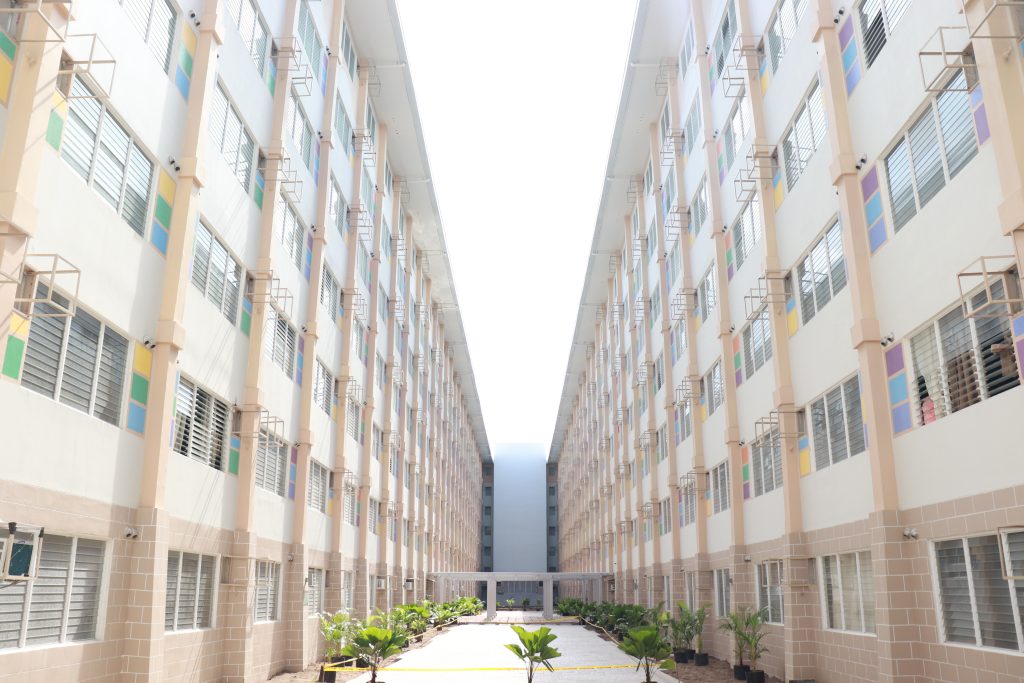
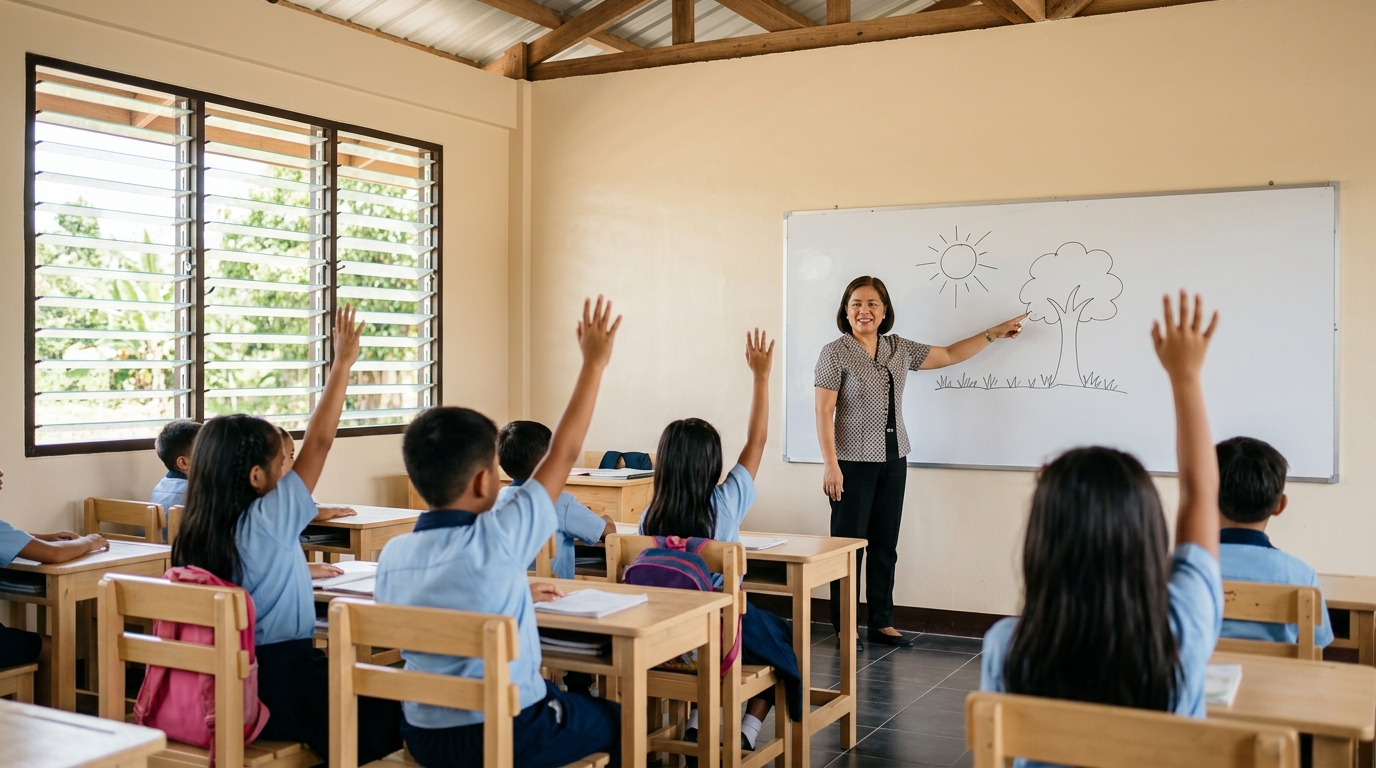
ILOILO CITY — Mayor Raisa Treñas signed a Memorandum of Agreement with the Department of Education on May 26, 2026, unlocking national funding for new classroom buildings across the city’s 66 public elementary and secondary schools. Construction may begin by the third quarter once designs are finalized and approved by DepEd.
“Ang MOA amo ang assurance nga may funding nga ihatag ang Department of Education para sa building sang aton mga classrooms,” Treñas said. The number of classrooms built will depend on the funding downloaded to the local government unit. The mayor expressed hope that new school buildings will be ready by the next school year.
Eliminating the Shift That Has Depressed Family Migration
The classroom shortage has forced schools into shifting schedules, compressing class periods from one hour to 45 minutes and reducing the school day to half its intended length. Iloilo National High School and Mandurriao National High School are among those operating double shifts.
For families considering where to buy a home, school quality and classroom availability rank among the highest decision drivers. A city where children attend school for only half a day is a city that loses family buyers to competing municipalities. The MOA addresses this at its source, targeting the elimination of shifting schedules citywide.
A Market That Is Already Absorbing Demand at Record Rates
Iloilo City’s property market leads the Visayas‑Mindanao region across every residential segment. Colliers Philippines reported a 96 percent house‑and‑lot take‑up rate in the first quarter of 2026, the highest in the region. Condominium absorption reached 89 percent, while lot‑only purchases stood at 80 percent.
The city outpaced Metro Cebu in total occupied office transactions for the first time, driven by high‑value outsourcing firms and global capability centers. Western Visayas expanded by 6.4 percent in 2025, the fastest among the country’s 18 regions. Into this high‑demand environment, the MOA introduces a variable that directly influences family relocation decisions.
A Pipeline of Classrooms That Developers and Buyers Track
The agreement builds on a broader education infrastructure push. The city allocated approximately ₱200 million in its 2026 budget for school infrastructure, and the Special Education Fund has grown to ₱680 million for the year. Treñas described education as the top priority of her administration.
For developers scouting land in Mandurriao, Jaro, and La Paz, the MOA signals that the city’s educational infrastructure is improving in tandem with its commercial growth. The projects are expected to reduce student‑to‑classroom ratios and restore one‑hour class periods, outcomes that directly enhance neighborhood desirability. In a market absorbing homes at 96 percent, that desirability will not go unnoticed.