CABUYAO, LAGUNA — On May 21, 2026, Department of Human Settlements and Urban Development Secretary Jose Ramon Aliling and Pag‑IBIG Fund CEO Marilene Acosta walked through the completed towers of Pasinaya Heights in Barangay Baclaran and handed keys to families who had spent years paying rent to landlords. The ceremonial turnover, held at the 2.5‑hectare socialized condominium development, marked the moment nearly 300 Pag‑IBIG members officially became homeowners under President Ferdinand R. Marcos Jr.'s Expanded Pambansang Pabahay para sa Pilipino Program.
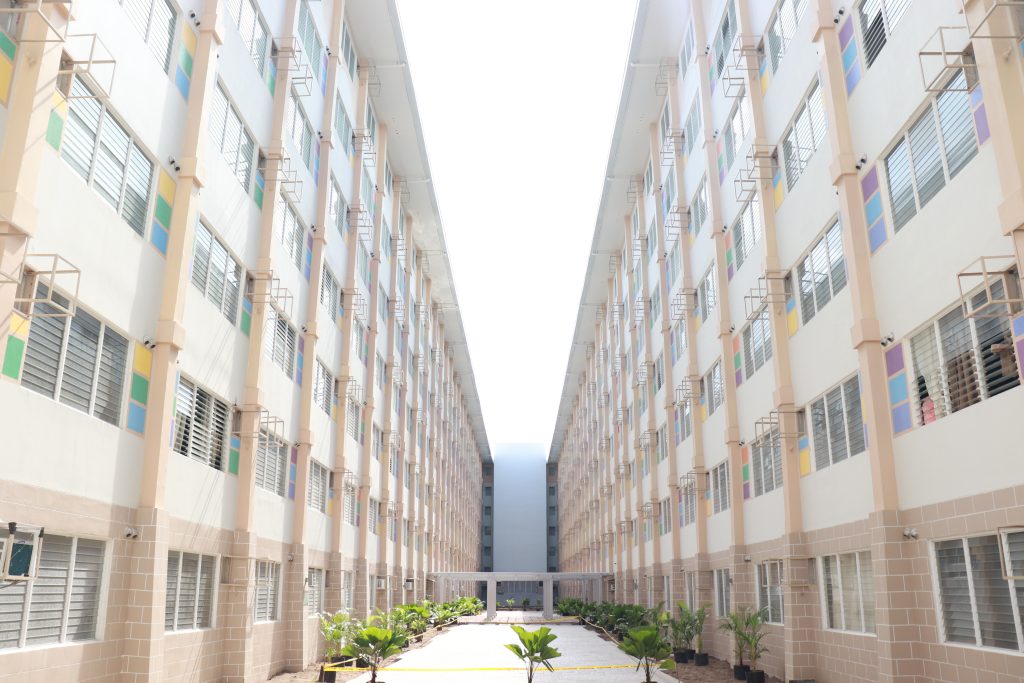
The project, developed by Joy‑Nostalg Hearth Corporation, consists of four seven‑story residential towers with more than 2,700 units. Two buildings are already complete, with 106 homebuyers now in residence and more receiving their keys. The development includes a swimming pool, covered basketball court, playground, daycare center, health center, and open spaces. Once fully occupied, Pasinaya Heights is expected to house approximately 8,000 individuals.
A Monthly Amortization That Undercuts Rent
The arithmetic behind the turnover is what makes Pasinaya Heights a model for the government's housing strategy. A unit valued at ₱1.404 million carries a monthly amortization of approximately ₱5,919 during the first five years under Pag‑IBIG's subsidized 3 percent interest rate. That figure is nearly ₱3,000 lower than the standard Pag‑IBIG housing loan rate of ₱8,644 per month and falls well below typical condominium rental rates in the industrial zones of Laguna.
"Every peso saved from monthly housing payments matters to our members. It can help pay for food, education, health care, utilities, and other daily needs of the family," Acosta said. "Through the Expanded 4PH Program and Pag‑IBIG Fund's subsidized Housing Loan rate for socialized homes, Filipino workers now have a real and practical path to owning a safe and decent home." Aliling emphasized that the project delivers on the President's directive to bring decent, affordable housing closer to Filipino families, especially workers who need government support the most.
A Construction Model Built for Speed
Jacinto Ng Jr., Group Executive Officer of Joy‑Nostalg Group, confirmed that each building at Pasinaya Heights has been constructed in phases lasting approximately 10 months. The accelerated timeline allowed two of the four planned towers to be completed ahead of the full buildout, enabling staggered turnover that gets families into homes even as construction continues on the remaining buildings.
Ng noted that Pasinaya Heights is part of a wider pipeline of socialized housing projects the company is advancing in partnership with DHSUD and Pag‑IBIG. The development's proximity to the industrial and commercial zones of Cabuyao positions it as an in‑city housing solution, keeping workers close to their jobs while lowering their monthly housing costs. Officials described the project as part of a broader push to shift public housing toward high‑density vertical communities near urban centers.
A Pay‑Forward Model That Protects the Fund
Acosta balanced the celebratory tone with a reminder of the program's financial sustainability. "Sana tuloy‑tuloy kayong magbayad. Pero pag hindi kayo nagbayad, bibigyan namin kayo ng notice of default," she said, adding that Pag‑IBIG offers the longest remediation period in the country at nearly one year. The funds used to finance the housing loans, she stressed, come from the collective contributions of all Pag‑IBIG members, making repayment discipline essential to the program's longevity.
The turnover at Pasinaya Heights formed part of a wider DHSUD–Pag‑IBIG inspection tour of South Luzon 4PH projects. On the preceding day, 182 member‑beneficiaries of the Dreamland Homeowners Association in Biñan City finally secured land tenure after more than three decades of waiting through the Enhanced Community Mortgage Program. Together, the Biñan and Cabuyao milestones reflect an expanding national housing pipeline that now reaches from Luzon to the Visayas and Mindanao.