Cebu — In the heart of Cebu City, just steps away from the Basilica Minore del Santo Niño, lies one of the most significant symbols of Philippine history: Magellan’s Cross. This historic landmark marks the site where, according to popular tradition, Portuguese explorer Ferdinand Magellan planted a cross upon his arrival in the archipelago in 1521. As a poignant bridge between pre-colonial heritage and the introduction of Christianity to the islands, the cross stands as a testament to the complex, transformative events that shaped the modern Filipino identity.
A Legacy Encased in Stone and Wood
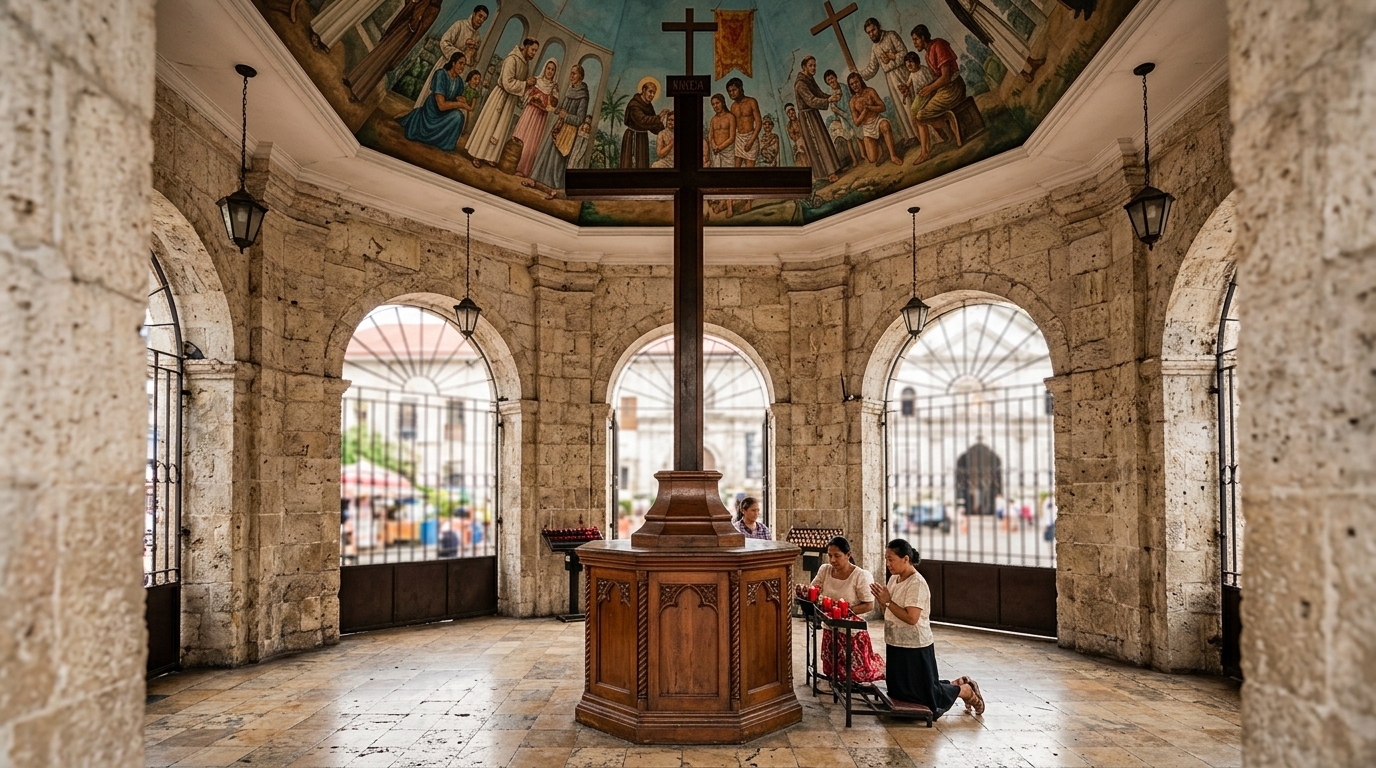
The original cross planted by Magellan’s expedition in 1521 is famously encased within a larger, hollow wooden cross of tindalo wood to protect it from pilgrims and relic hunters. For centuries, visitors believed that the original wood possessed miraculous healing properties, leading many to chip away pieces of it until only the protective casing remained. Today, this wooden structure is housed within an octagonal stone chapel that features stunning, vibrant ceiling murals depicting the baptism of Rajah Humabon and his subjects. The architecture itself reflects a blend of colonial influence and local reverence, creating a solemn space that invites reflection on the momentous arrival that forever altered the course of Philippine history.
The Heartbeat of Cebu’s Cultural Identity
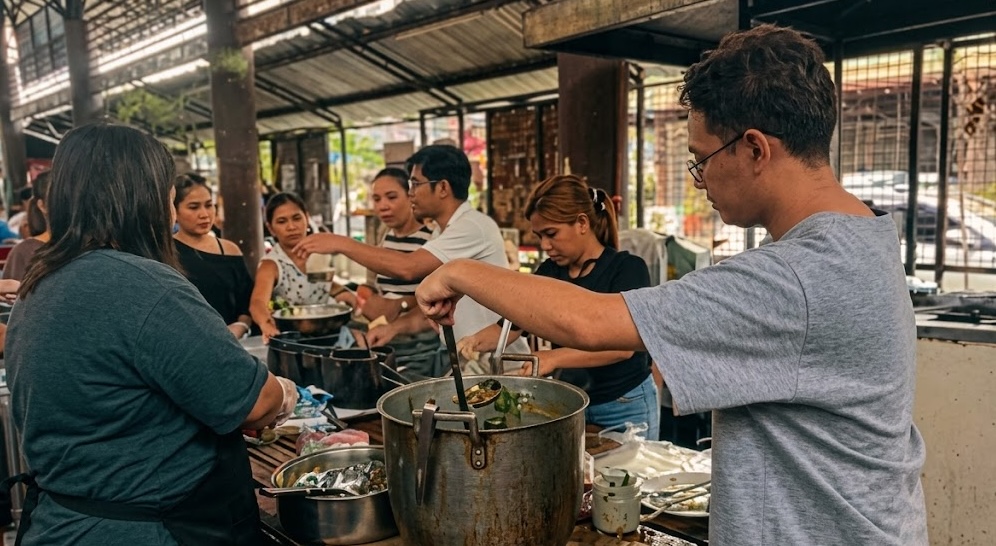
Beyond its religious significance, the site of Magellan’s Cross serves as a bustling hub of Cebuano cultural expression and local pride. Daily, you will see local devotees offering prayers, while street vendors and candle sellers weave through the crowds, their rhythmic chants adding to the vibrant atmosphere of the plaza. It is a place where history is not merely viewed behind glass, but experienced through the living traditions of the people who gather there. For any traveler to the Queen City of the South, a visit to this landmark is an essential step in understanding the foundational story of the nation, bridging the gap between a storied past and a dynamic, forward-looking present.