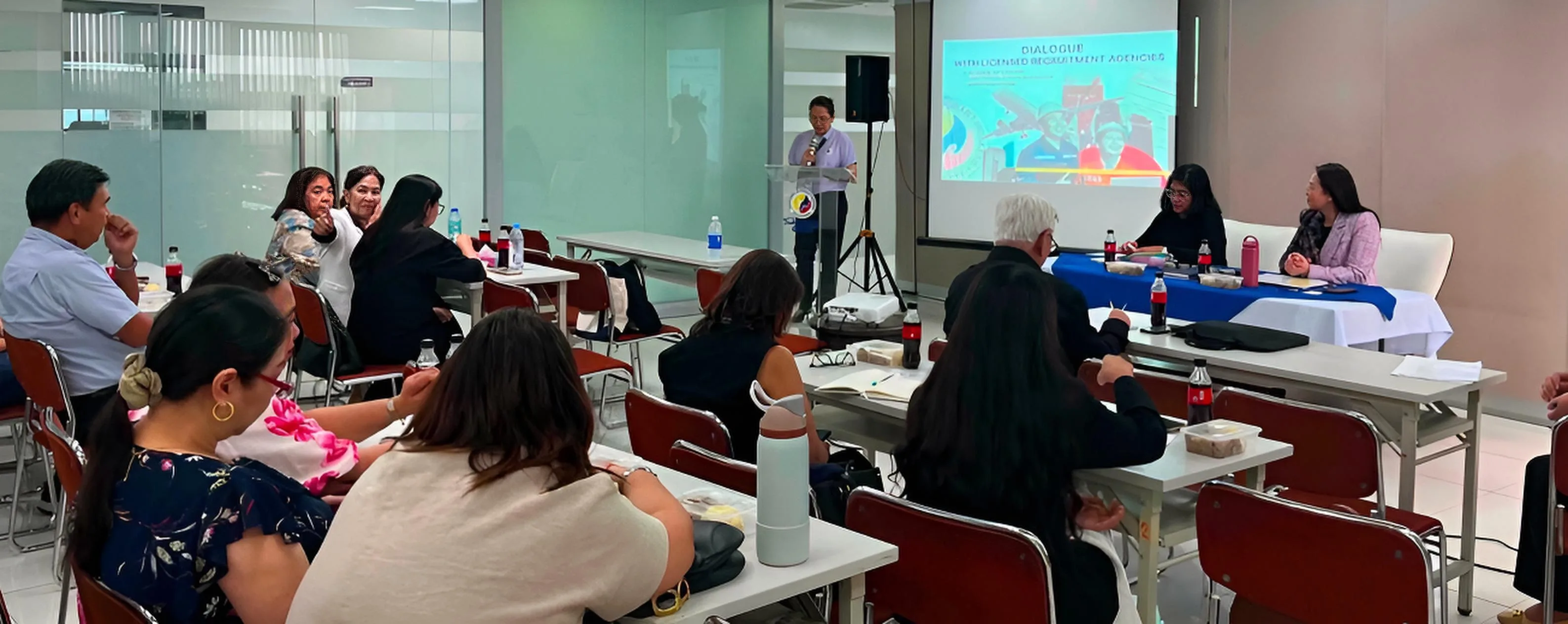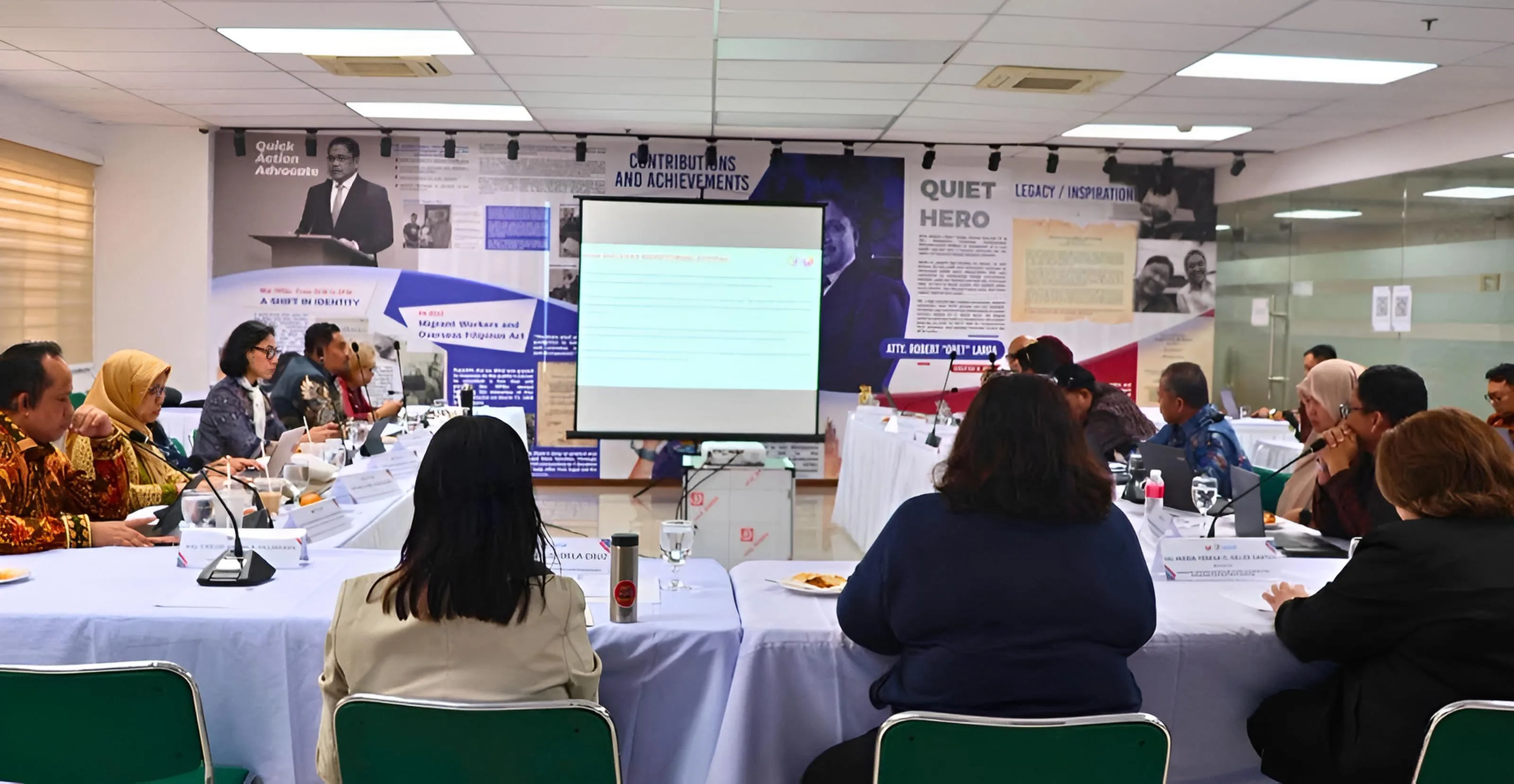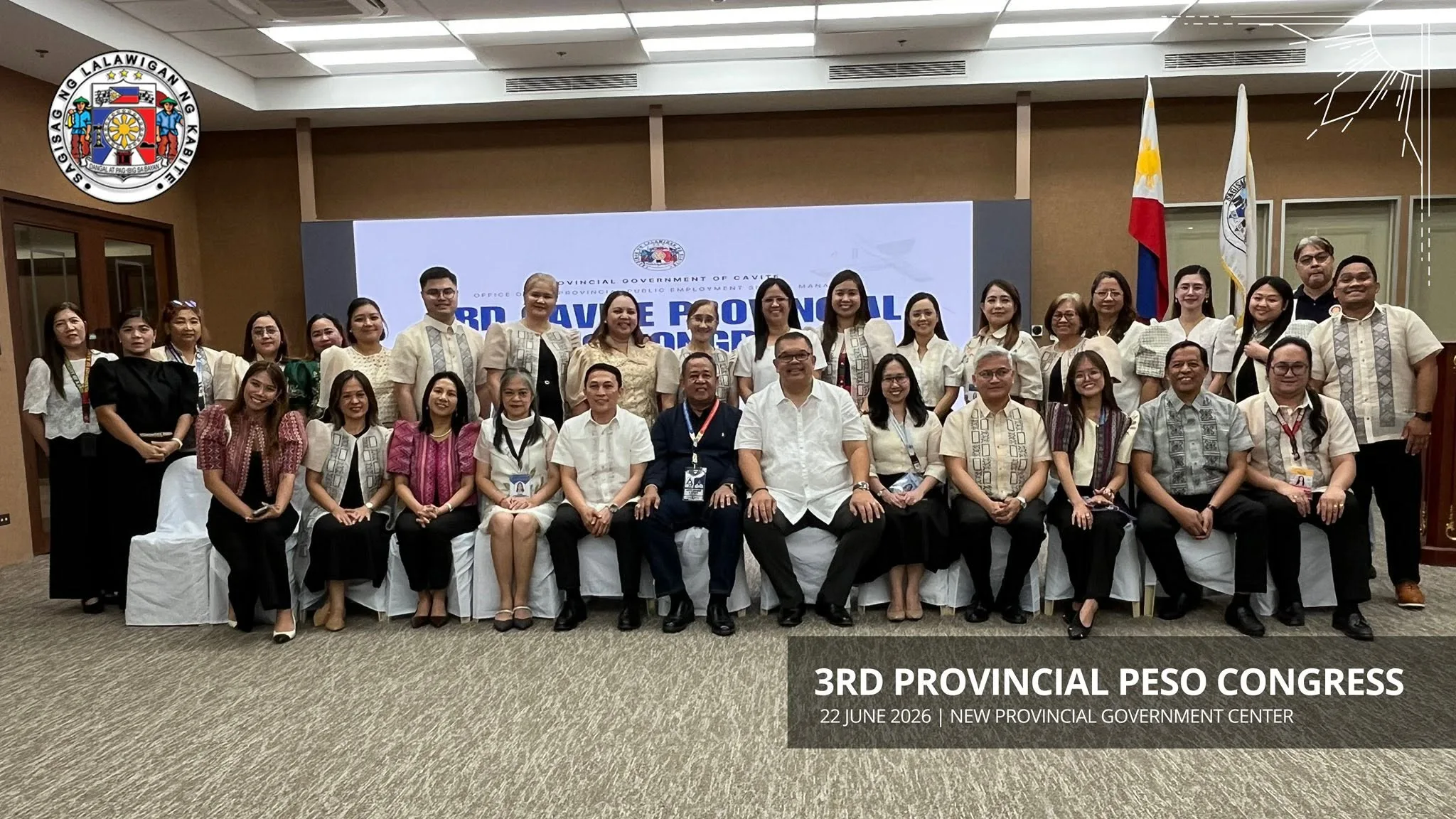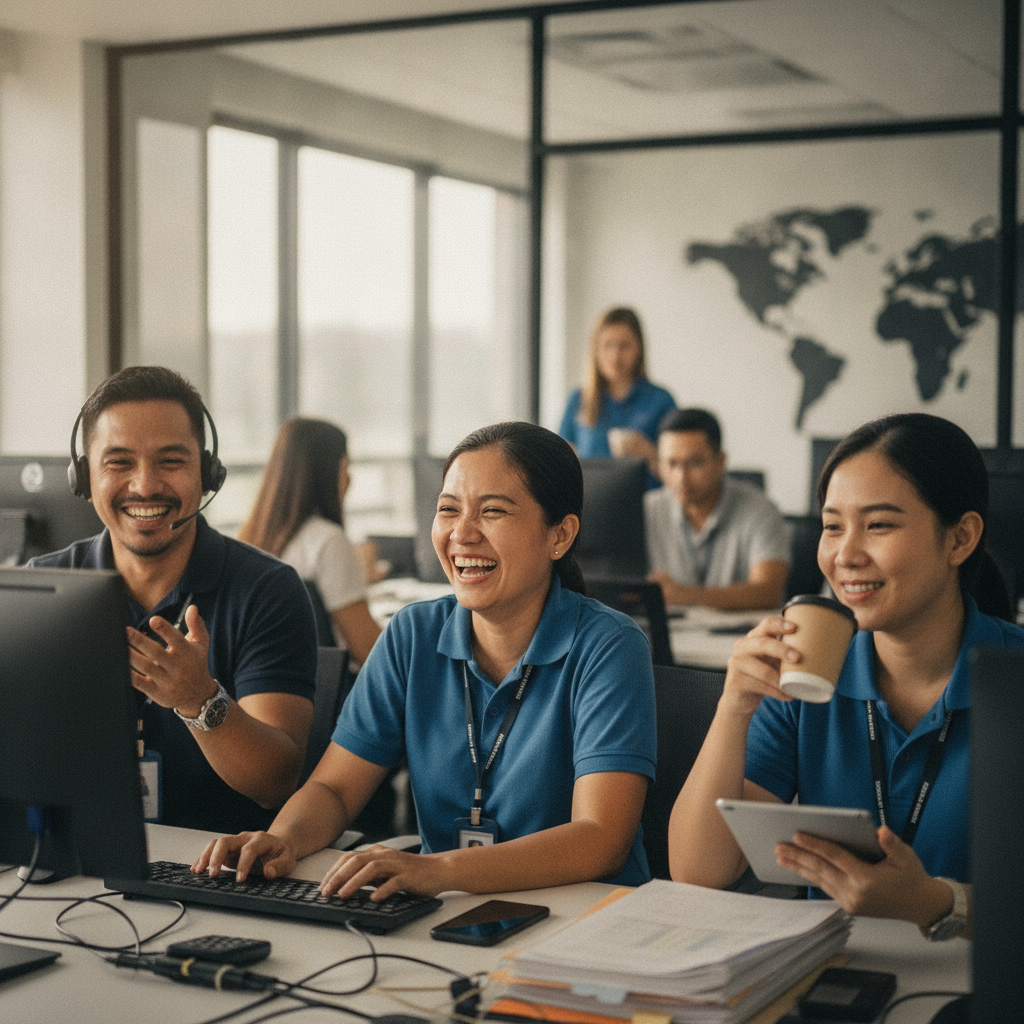
A compelling observation from VnExpress International reveals a unique paradox within Southeast Asia's workforce: employees who report the highest levels of stress are simultaneously among the happiest. This intriguing finding challenges conventional notions of work-life balance and psychological well-being, prompting a closer look at the underlying factors, especially concerning the millions of Filipino workers both at home and abroad. While the specific data points detailing this trend were not provided in the initial report, the headline itself sparks a vital conversation about resilience, motivation, and cultural context in the workplace.
Transforming Deep Familial Obligations into Meaningful Career Anchors
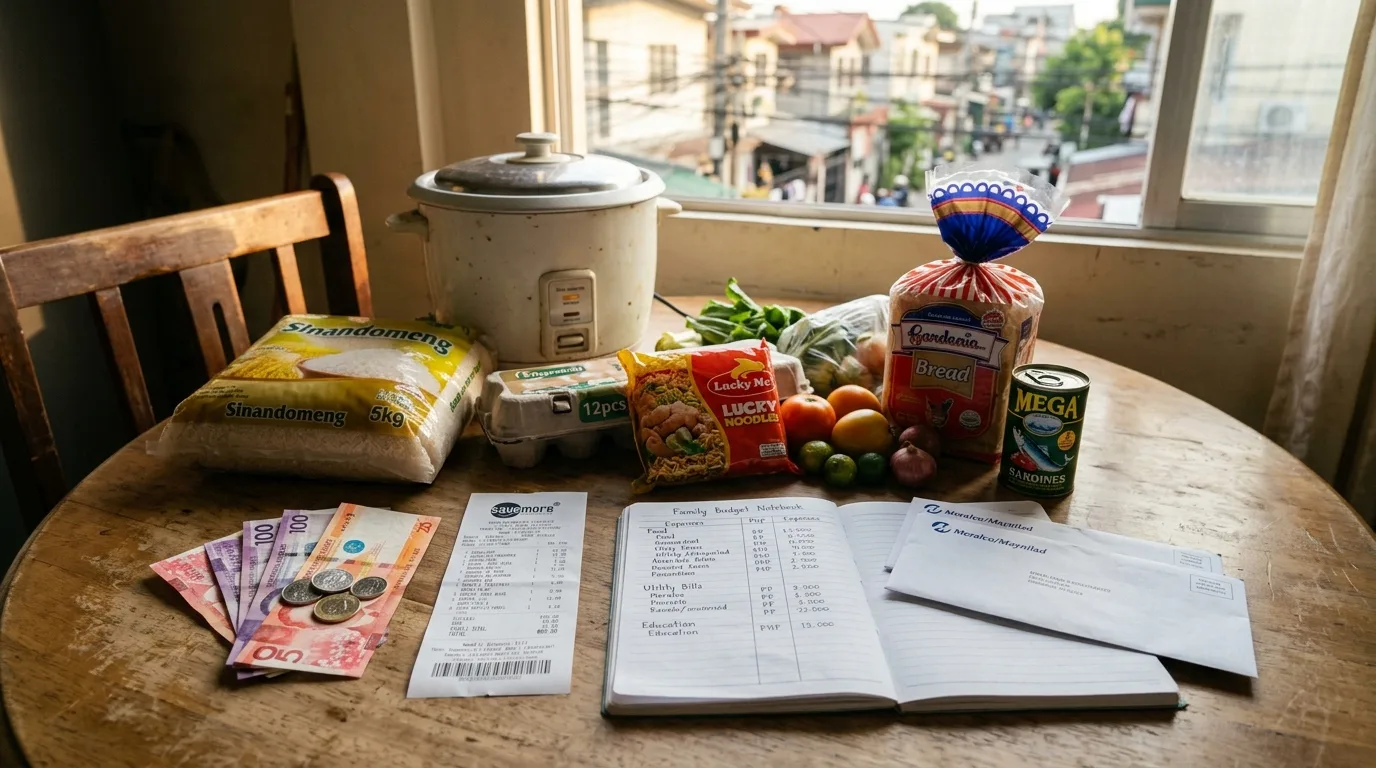
For many Filipinos, the pursuit of professional and personal goals is often intertwined with a profound sense of responsibility towards their families. This deep-seated commitment frequently drives individuals to endure demanding work environments, long hours, and significant pressure, transforming potential stressors into catalysts for satisfaction when objectives are met. Overseas Filipino Workers (OFWs), for instance, often embrace challenging roles in foreign lands, finding immense fulfillment in their contributions to their families' futures in the Philippines.
Navigating the Delicate Balance of Macroeconomic Output and Employee Welfare
This dynamic holds significant implications for the Philippine economy and its global workforce. The ability of Filipinos to maintain high levels of happiness despite considerable stress may contribute to the nation's economic output and the consistent flow of remittances from OFWs, which are vital to the country's GDP. However, it also raises important questions about the sustainability of such a work ethic. While resilience is a strength, unchecked stress can lead to burnout, health issues, and a potential decline in long-term productivity and overall quality of life. Employers and policymakers must consider how to support worker well-being without diminishing the very motivations that drive this unique blend of stress and satisfaction.
Implementing Psychosocial Safeguards to Preserve Long-Term Workforce Vitality
Filipinos, whether working in the Philippines or as OFWs, should recognize this inherent strength in their work ethic while also prioritizing their mental and physical health. It is essential to seek a balance, advocate for fair labor practices, and utilize available support systems. For employers, understanding the cultural nuances behind this paradox can lead to more effective management strategies that foster both productivity and genuine employee well-being. Recognizing the deep motivations of Filipino workers can help create environments where hard work is not only rewarded but also sustained by comprehensive support for their overall welfare.