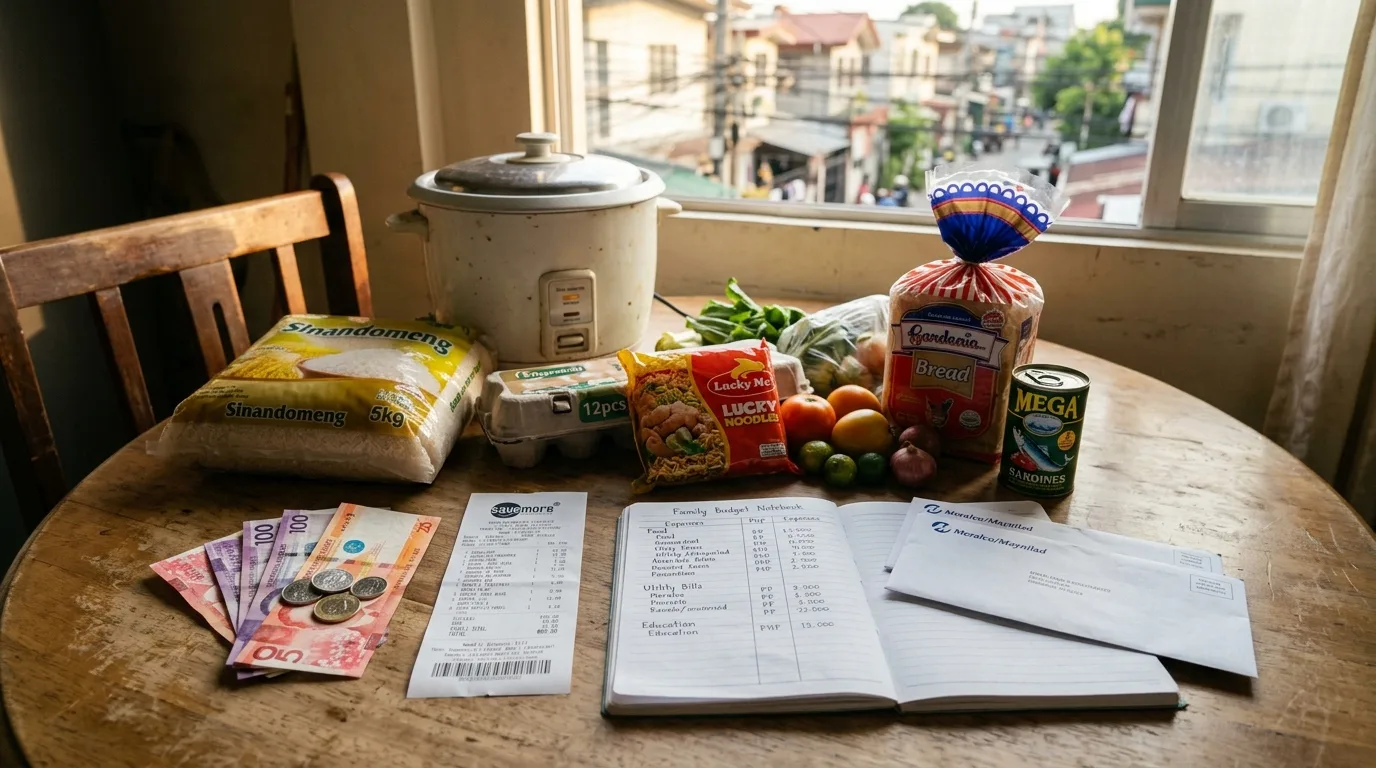
The Labor chief has announced a "historic" P85 per day wage increase for workers in Metro Manila, a development poised to significantly impact the daily lives of countless Filipino households. This adjustment, confirmed by ABS-CBN, marks a crucial moment for minimum wage earners in the nation's capital region, which remains the economic heartland of the Philippines.
Decoupling the Daily Floor Adjustment Across Two Strategic Tranches
While the exact implementation date and specific details regarding the categories of workers covered are keenly awaited, the core announcement signals a government effort to address the rising cost of living and enhance the financial stability of its workforce. For many Filipinos toiling in Metro Manila, this P85 increment could translate into a tangible difference in their ability to cover essential expenses like food, transportation, and utilities.
Reinvigorating Consumer Purchasing Power Against Regressive Inflation Surcharges
This wage adjustment is particularly vital given the persistent challenges of inflation and the economic pressures faced by ordinary Filipinos. An increase in the daily wage, even if modest, can offer a much-needed boost to the purchasing power of workers, potentially stimulating local consumption and providing some relief from the burden of escalating prices. It also reflects ongoing discussions within the government and labor sectors regarding fair compensation and the welfare of the working class. For families dependent on these wages, both within Metro Manila and those in provinces receiving remittances, this increase could mean slightly more disposable income, improving their quality of life.
Reshaping Transnational Talent Migration and Local Labor Retention Trends
For Filipino workers in Metro Manila, understanding the specifics of this wage hike – when it takes effect and which industries or worker classifications are primarily affected – will be crucial. This development may also influence the decisions of some Filipinos contemplating overseas employment, as improvements in local labor conditions could potentially make staying in the Philippines a more viable option. Conversely, for overseas Filipino workers (OFWs), this news offers a glimpse into the evolving economic landscape back home, impacting their understanding of the financial situations of their families and the overall state of the Philippine economy. All Filipinos, whether local or abroad, should stay informed on further announcements from the Department of Labor and Employment regarding the full implementation details of this significant wage adjustment.