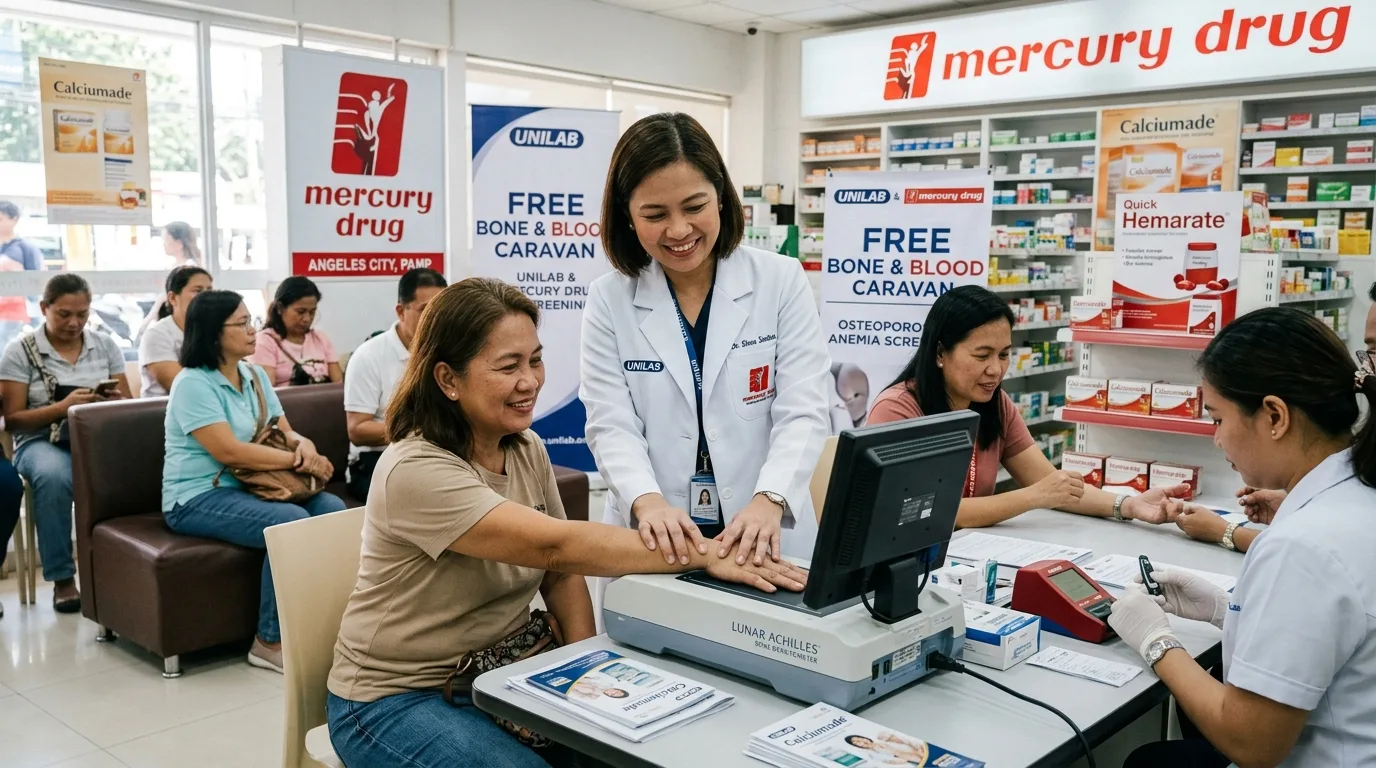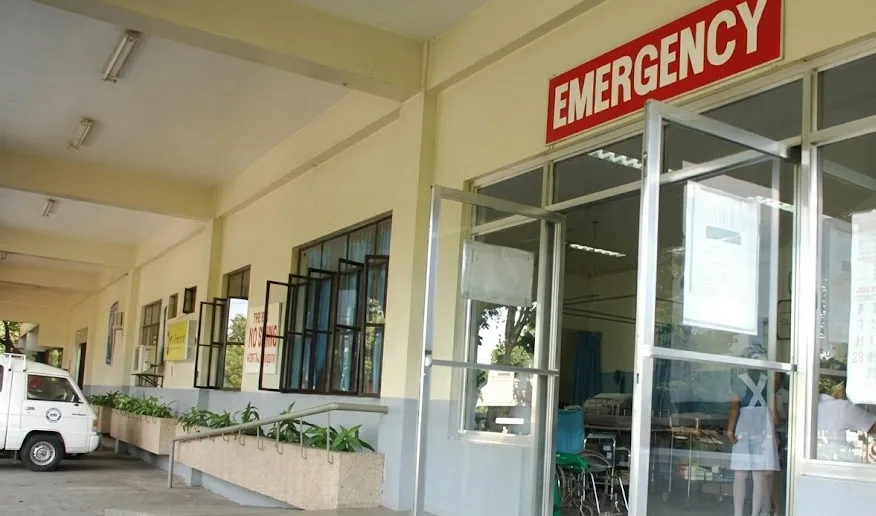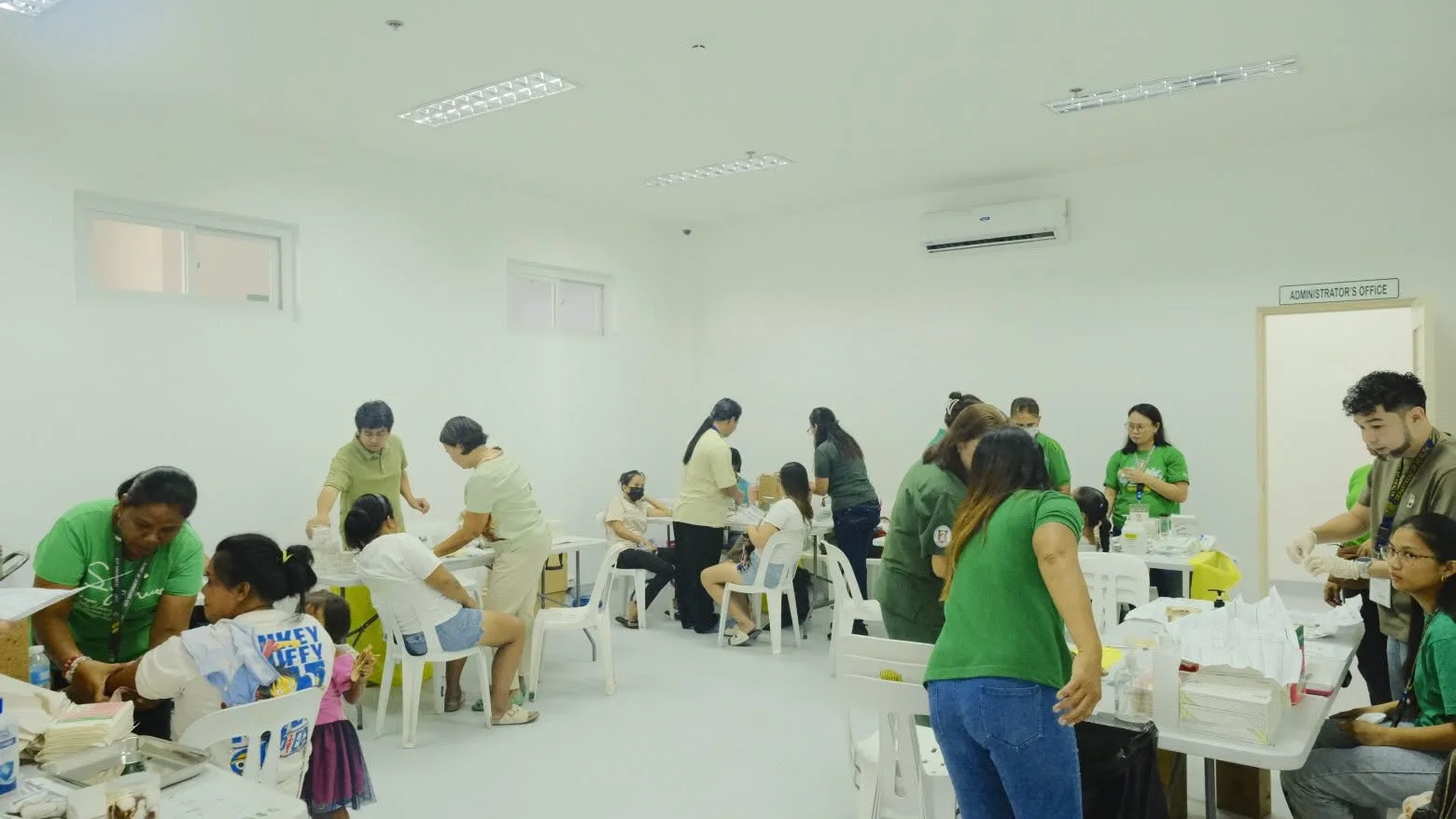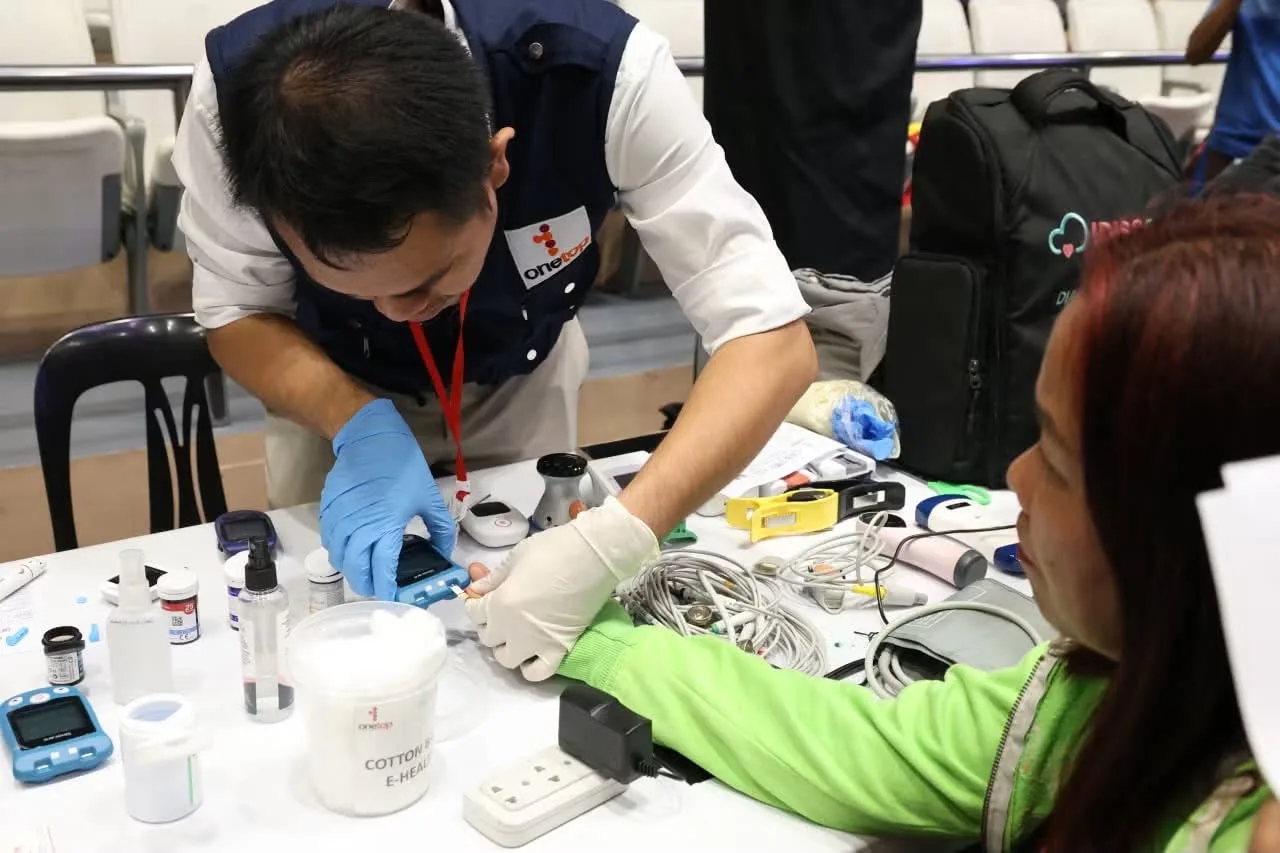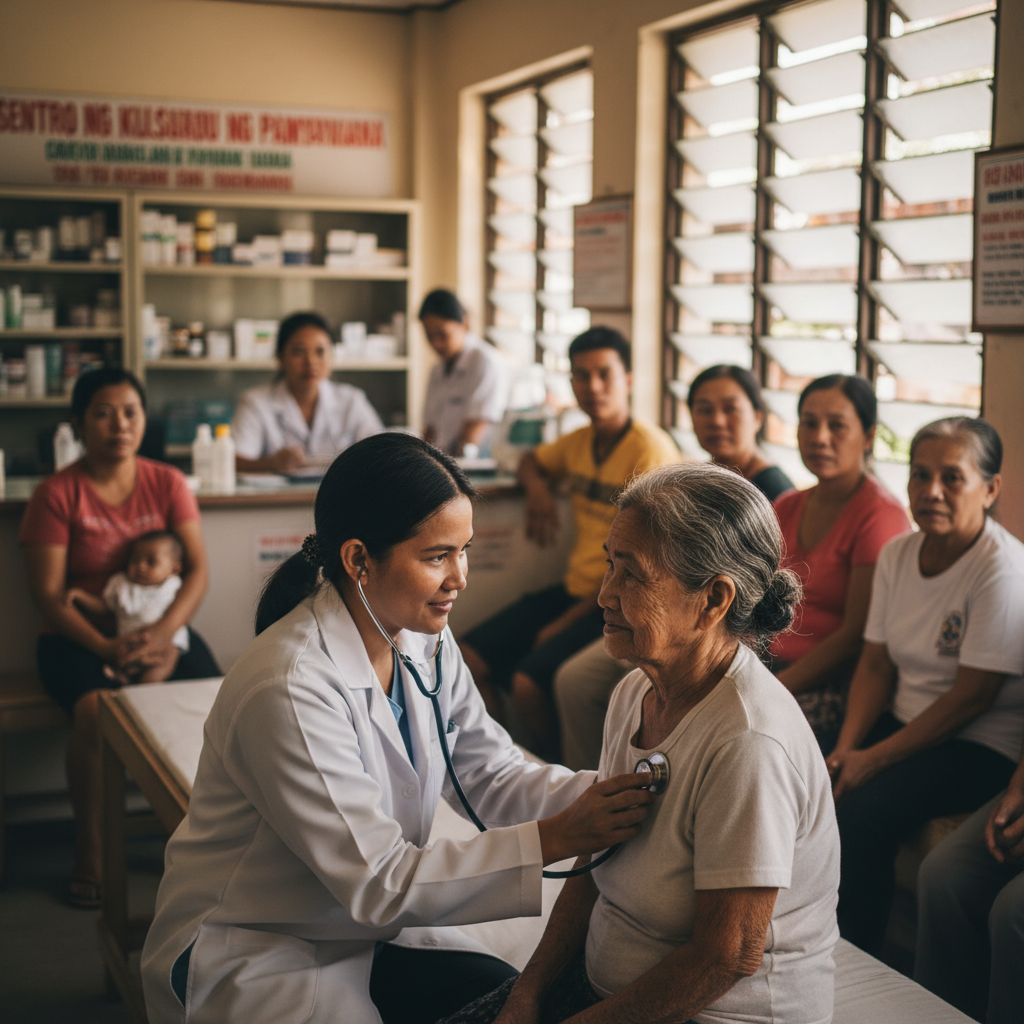
The aspiration for universal healthcare, ensuring all citizens have access to quality medical services without financial hardship, remains a significant quest in the Philippines. Despite the enactment of the Universal Health Care (UHC) Act, the nation continues to grapple with fundamental questions regarding its full and equitable implementation, raising concerns for millions of Filipinos both at home and abroad.
Financing Frameworks and Persistent Out-of-Pocket Deficits
The core challenge lies in translating ambitious legislative frameworks into tangible, accessible, and affordable healthcare realities across the archipelago. This involves addressing deep-seated issues such as adequate and sustainable funding mechanisms, equitable distribution of healthcare facilities and professionals, and mitigating the substantial out-of-pocket expenses that still burden many households. While government initiatives aim to expand PhilHealth coverage, gaps persist, particularly in remote areas and for specialized treatments, compelling many to seek private care or face financial distress.
Diverted Remittances and Household Financial Insecurity
The state of universal healthcare directly impacts the economic stability and well-being of countless Filipino families. For those with relatives working overseas, a significant portion of remittances from Overseas Filipino Workers (OFWs) is often earmarked for medical emergencies, chronic disease management, and preventative care for their dependents back in the Philippines. When the local healthcare system falls short, OFWs face added pressure, diverting earnings meant for education, housing, or investment towards unexpected health costs. This cycle can perpetuate financial insecurity and undermine the very purpose of working abroad. Furthermore, a robust universal healthcare system is critical for national development, ensuring a healthy workforce and reducing productivity losses due to illness.
Strategic Planning and Public Accountability Mandates
Filipinos, whether residing in the country or as OFWs, should remain informed about the ongoing efforts and remaining hurdles in achieving comprehensive universal healthcare. Understanding the scope of PhilHealth benefits, advocating for improved local health services, and recognizing the financial implications of healthcare gaps are crucial. For OFWs, this knowledge empowers them to better plan for their families' health needs, potentially exploring private insurance options or understanding how their remittances are utilized for medical expenses. Continued public discourse and engagement are vital in pushing for accountability and the effective allocation of resources to realize the promise of universal healthcare for every Filipino.