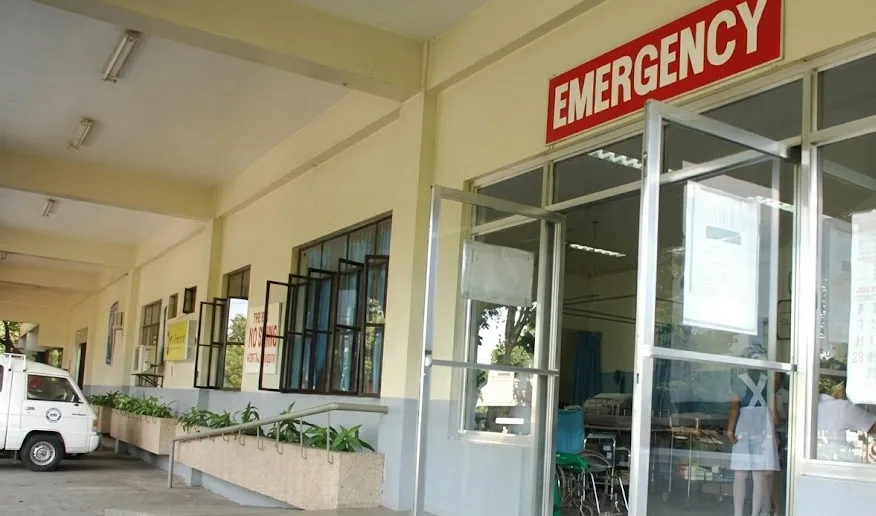
PAMPANGA — On April 29, 2026, President Ferdinand R. Marcos Jr. formally inaugurated the Pampanga Provincial Hospital–Clark, a ₱601.74‑million, three‑storey, 143‑bed Level II government facility rising inside Clark Global City. The ceremony was dignified and precise. But the sentence that has since echoed across Central Luzon came not from the President but from the governor who had spent years fighting to build the hospital in the first place. "Ipinatayo natin ito para sa mga mahihirap na hindi kayang bayaran 'yung private hospital at professional's fee. Ang ospital na ito talaga, majority, 70 percent para sa mga mahihirap," said Governor Lilia "Nanay" Pineda. Those words are not merely rhetoric. They are the hospital's operating code.
The zero‑balance billing policy that Pineda has embedded into PPH–Clark's operations is the most tangible expression of that commitment. Under the policy, qualified indigent patients—those admitted to basic or ward accommodations who pass the required assessment—pay nothing. Their hospital bills, from diagnostic procedures to medications, are fully covered. "Tutulungan ko kayo para hindi masyadong mahal ang ibayad pag maysakit kayo," Pineda said. The provincial government will continue its zero‑balance billing policy for qualified patients, ensuring that indigent families can access care without financial burden. For a province where laparoscopic procedures cost between ₱60,000 and ₱80,000 in private hospitals, Pineda's assurance carries a specific, calculable weight: "Sa atin, zero balance billing—walang babayaran ang pasyente."
A 70‑Percent Mandate That Redefines What a Government Hospital Is
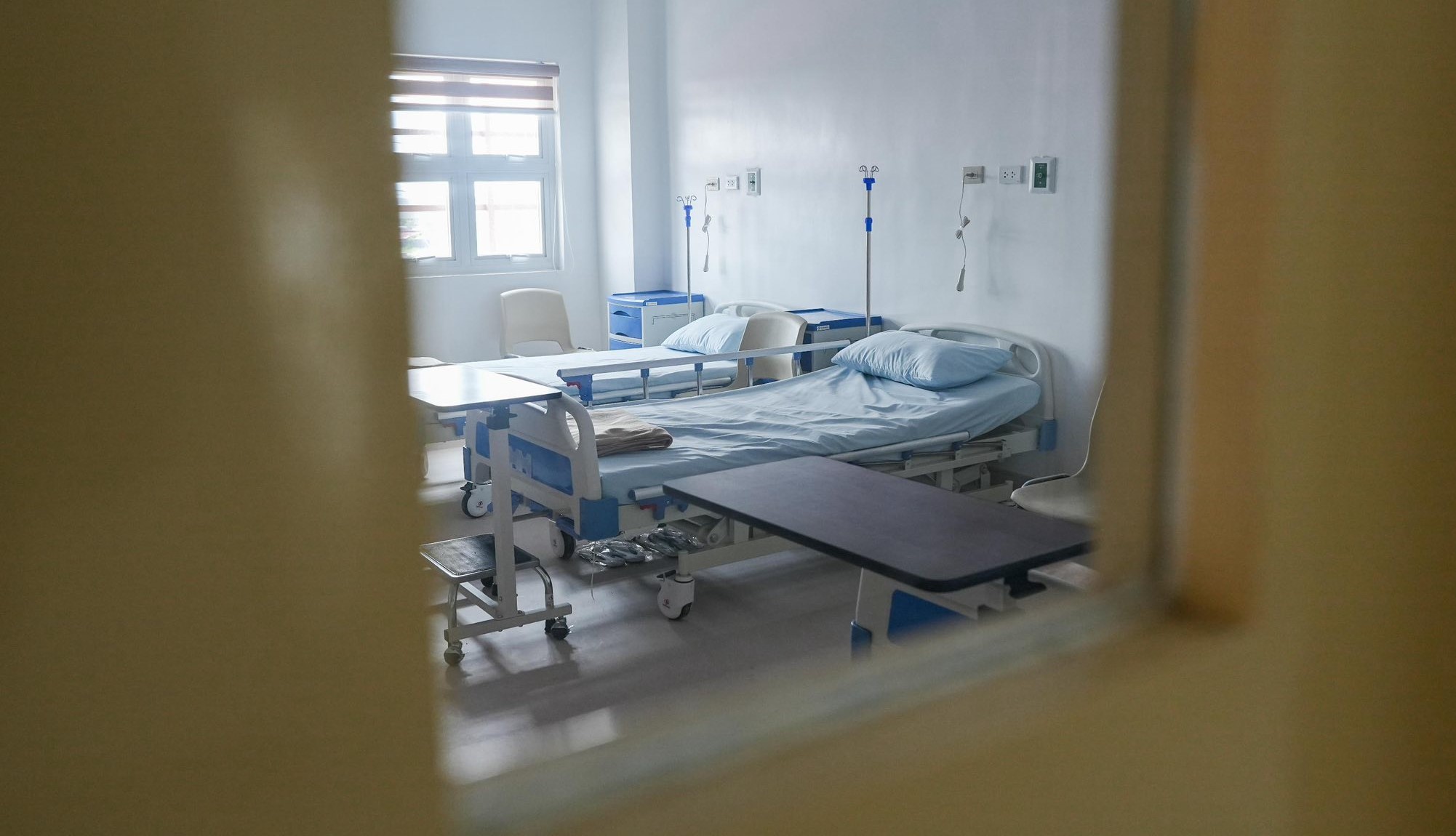
The 70‑percent figure is not aspirational. It is structural. Of the 143 beds—spanning private, semi‑private, and ward accommodations—the overwhelming majority are reserved for patients who cannot afford to pay. The hospital is designed to serve more than 151,500 workers, locators, investors, and nearby residents, but Pineda has made clear that the priority population is the indigent and the minimum‑wage earner who delays treatment because the cost of a single consultation could mean a week without groceries. "Minimum wage earners inside Clark are a key priority, especially those who delay treatment due to financial constraints," she emphasized. The hospital thus functions as both a healthcare facility and a social equalizer, treating the factory worker and the corporate executive under the same roof but with a deliberate tilt toward those who need it most.
The policy extends beyond the hospital's walls. Pineda has built a province‑wide healthcare network anchored on the same zero‑balance principle. The province operates 11 main health facilities, now linked to a growing network of satellite and extension hospitals. A floating clinic program delivers ultrasound, X‑ray, laboratory diagnostics, and maternal health services to coastal and hard‑to‑reach barangays. "Hindi na dapat sila pumunta pa sa malayo. Kami na ang lumalapit sa kanila—may doctor, may gamot, may serbisyo," Pineda said. The zero‑balance billing policy thus functions not as an isolated program but as the financial logic underlying an entire provincial healthcare architecture.
Beyond Treatment: A Preventive Care Model That Catches Illness Before It Catches the Patient
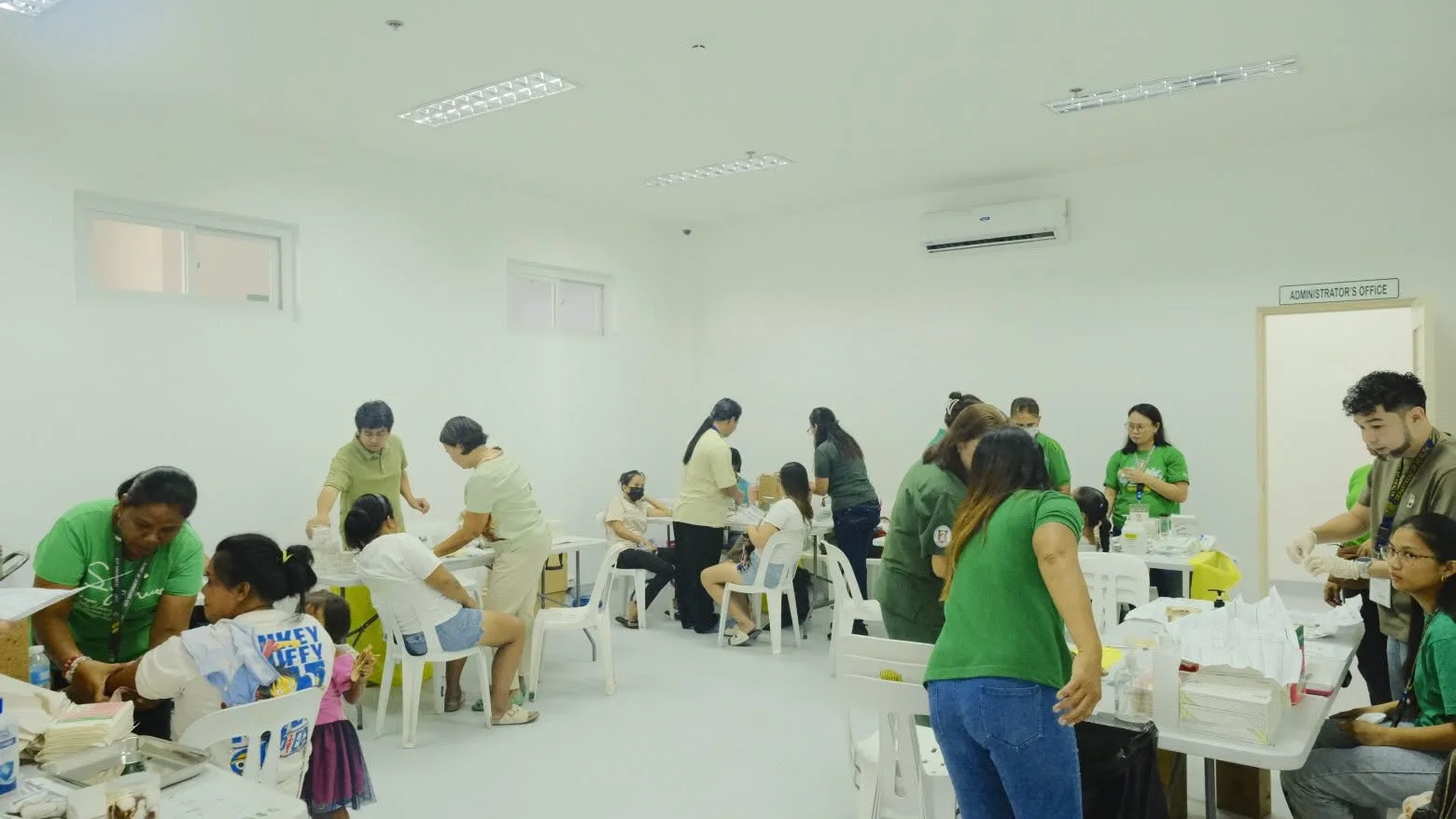
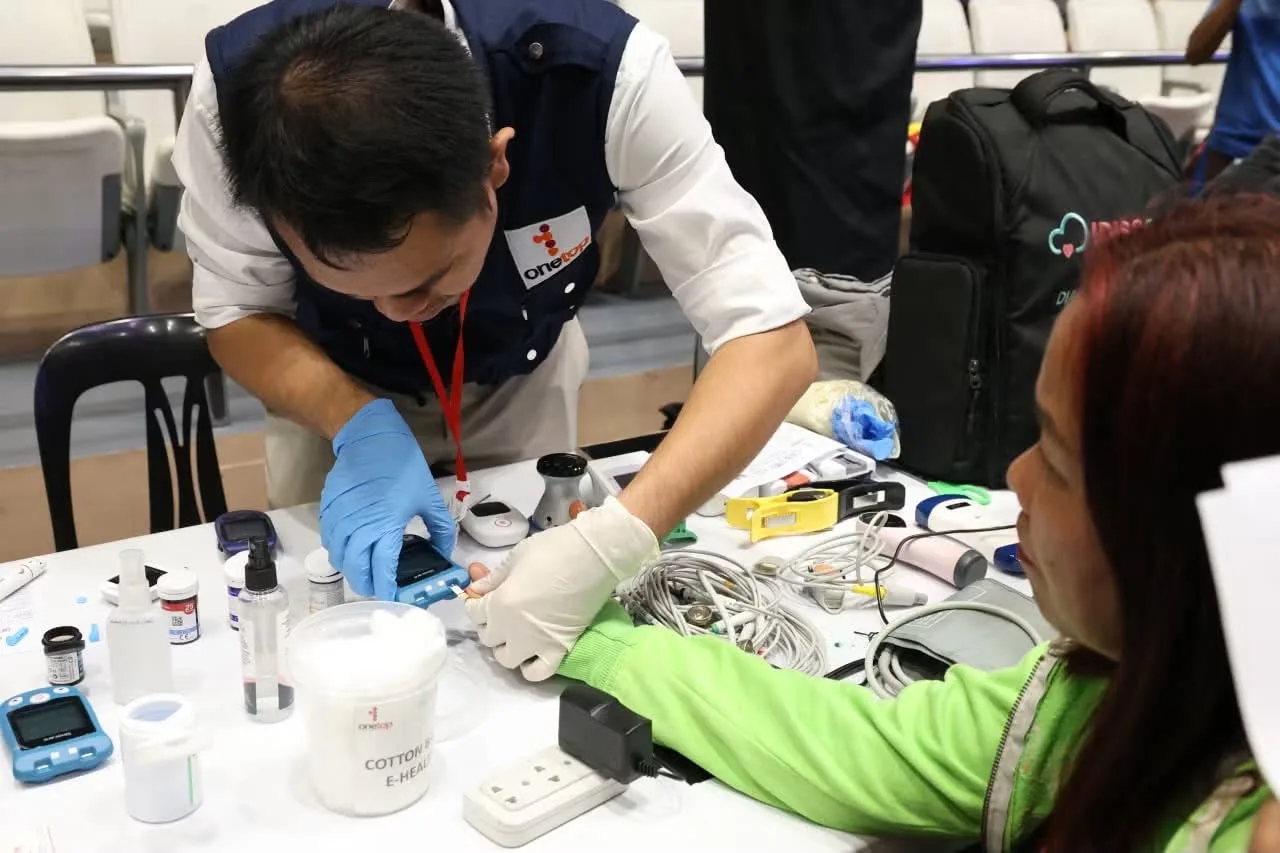
What distinguishes PPH–Clark's approach to indigent care is its dual emphasis on treatment and prevention. The hospital is equipped with CT scan, X‑ray, endoscopy, and mammogram machines, and offers ICU, NICU, OB‑GYNE, radiology, laboratory, cardiovascular, pulmonary, dental, and dietary services. But Pineda has stressed that the facility was designed with prevention at its core. "Ito pinatayo ko talaga [para sa] preventive healthcare ko. Maraming gagawing examination sa tao para hindi siya magka‑cancer, para hindi lumala yung sakit niya," she said. The governor has directed community health workers to actively search barangays for patients showing early warning signs of serious illness. "Pinapahanap namin yung mga may bukol sa katawan. Kapag nakita agad, napapaopera namin agad para hindi na umabot sa cancer."
This preventive model translates into a financial logic that benefits the entire province. Early detection reduces the number of patients progressing to advanced stages of illness that require more aggressive and costly treatments such as chemotherapy. For a province operating on limited resources, the calculus is straightforward: every cancer caught early is a chemotherapy course avoided. Every hernia repaired laparoscopically under zero‑balance billing is a life that returns to work rather than deteriorating into dependence. The hospital's application for PhilHealth YAKAP accreditation—which covers free consultations, laboratory tests, screenings, and medicines—will further strengthen the preventive care model and eliminate out‑of‑pocket costs for eligible patients.
The national government has reinforced the province's efforts. The Department of Health has allocated a ₱1‑billion support fund to expand zero‑balance billing to provincial hospitals across the country in 2026, a program that covered the bills of more than 1.3 million patients in DOH hospitals last year. From July to December 2025 alone, ₱74.65 billion worth of hospital charges were fully covered for patients admitted in basic or ward accommodations. Pampanga, already operating its own zero‑balance billing system, now stands as a model for what the national expansion can achieve. On May 16, 2026, the hospital recorded its first baby delivery—a woman from Mabalacat City gave birth to a baby named Sky. The birth was unremarkable in medical terms, but as a symbol, it was undeniable: a new life, born in a hospital built for the poor, delivered without cost to a family that could not have afforded it otherwise. The zero‑balance billing policy had done exactly what it was designed to do—not merely treat illness but restore dignity, one patient at a time.