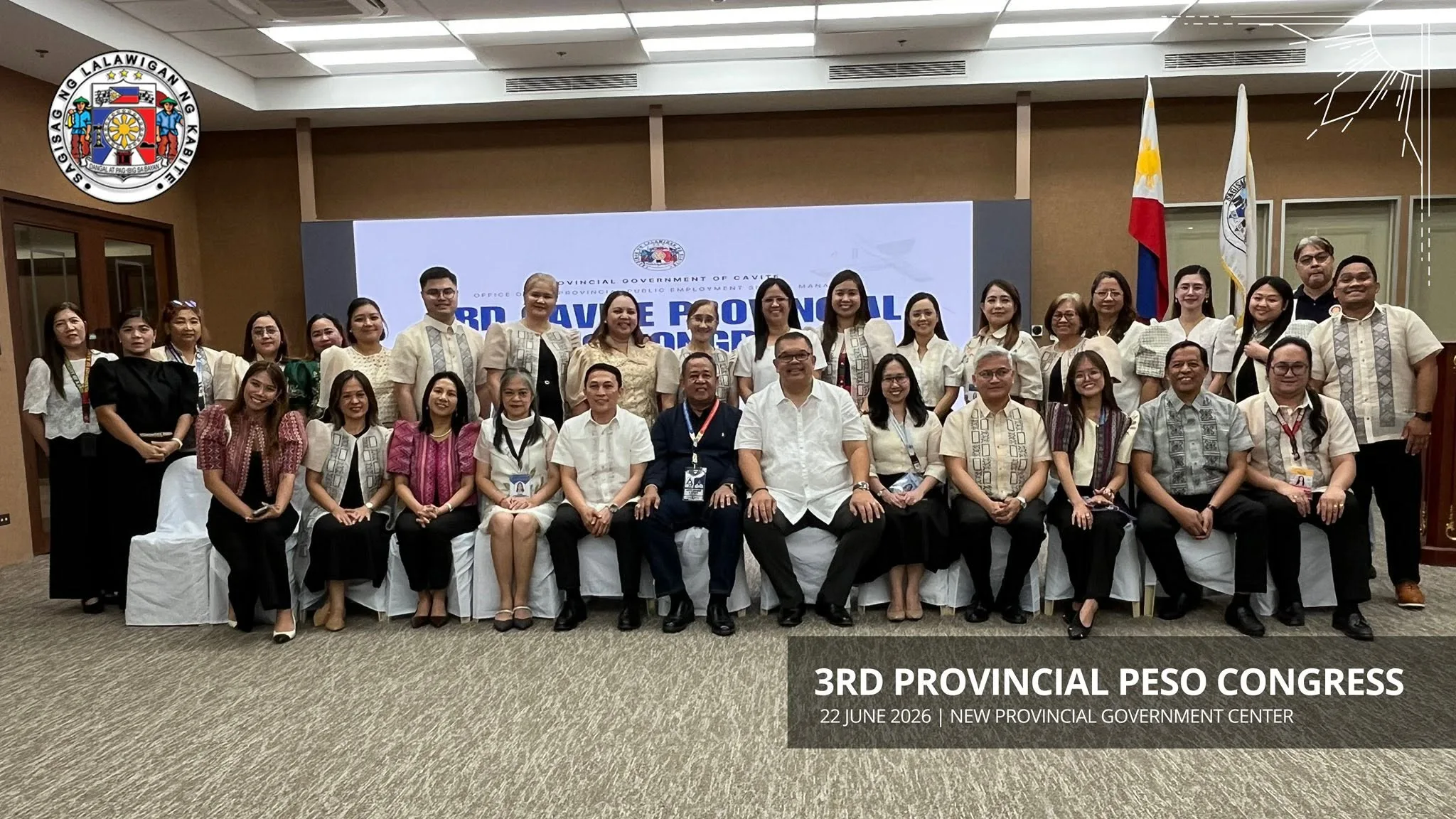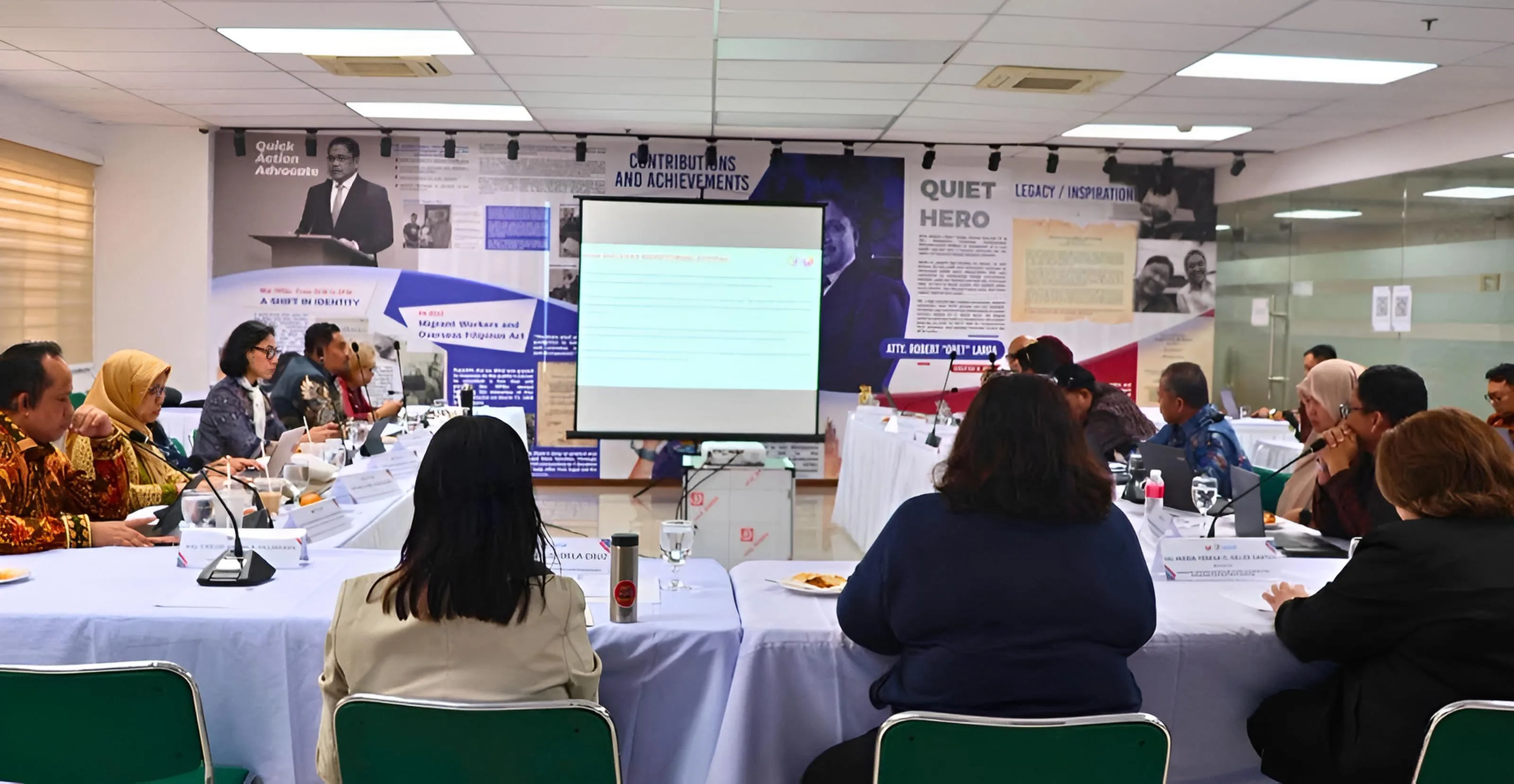
MANDALUYONG CITY — The Department of Migrant Workers (DMW) hosted a two‑day study visit for Indonesia’s Ministry for the Protection of Indonesian Migrant Workers (KP2MI) on June 30 and July 1, 2026. The meeting reinforced joint efforts to promote safe, orderly, and rights‑based labor migration across borders.
Sharing Best Practices
The Indonesian delegation, led by Director D. Yayan Hernuryadin, met with DMW officials to exchange strategies for combating illegal recruitment and human trafficking. Discussions covered labor migration governance, welfare programs, and reintegration initiatives, with a focus on practical, field‑tested approaches.
Both nations contribute heavily to the global maritime workforce, so sea‑based protections received special attention. The dialogue addressed forced labor risks and coordinated enforcement actions against syndicates. By comparing their legal frameworks, the two countries aim to close loopholes that traffickers exploit.
Continuing a Year of Bilateral Engagement
The Mandaluyong meeting builds on a January 29, 2026 courtesy call between DMW officials and Indonesian Ministry of Foreign Affairs representatives. That earlier engagement established a commitment to stamp out predatory recruitment in both land‑based and maritime sectors.
This mid‑year visit translates those promises into concrete technical exchanges. Indonesian delegates studied Philippine reintegration models, while DMW counterparts learned about Indonesia’s recent social protection reforms. The back‑to‑back dialogues reflect an accelerating partnership rather than a one‑off event.
A Regional Framework for Protection
The cooperation aligns with the ILO TRIANGLE Partnership launched on June 17, 2026, a five‑year program running until 2031. Both countries are active participants, advancing fair recruitment systems and portable social benefits for ASEAN workers. The bilateral exchange directly supports the goals of this broader initiative.
The DMW used the session to showcase its National Reintegration Center for OFWs, which provides livelihood training and financial literacy to returning workers. Observers noted that Indonesia could adapt similar structures for its own diaspora. Regional harmonization of welfare standards emerged as a shared long‑term objective.
The Filipino Workforce in Indonesia
As of March 2026, 39,926 land‑based Overseas Filipino Workers were deployed to Indonesia, comprising 4,691 newly hired and 35,235 re‑hired workers. University and higher education teachers form the largest occupational group, highlighting a unique knowledge‑sharing dynamic between the two neighbors.
The high number of re‑hires indicates stable employment conditions that keep Filipinos returning. This stability depends on robust legal protections, the very subject of the Mandaluyong talks. Strengthened bilateral mechanisms will help ensure that the rights of these professionals remain safeguarded.
A Shared Commitment to Dignity
The study visit concluded with both parties reaffirming their commitment to uphold the dignity of migrant workers at every stage of the employment cycle. Future technical workshops will address data sharing and joint investigations into trafficking cases. The Philippines and Indonesia are setting a benchmark for how labor‑sending nations can collaborate meaningfully.