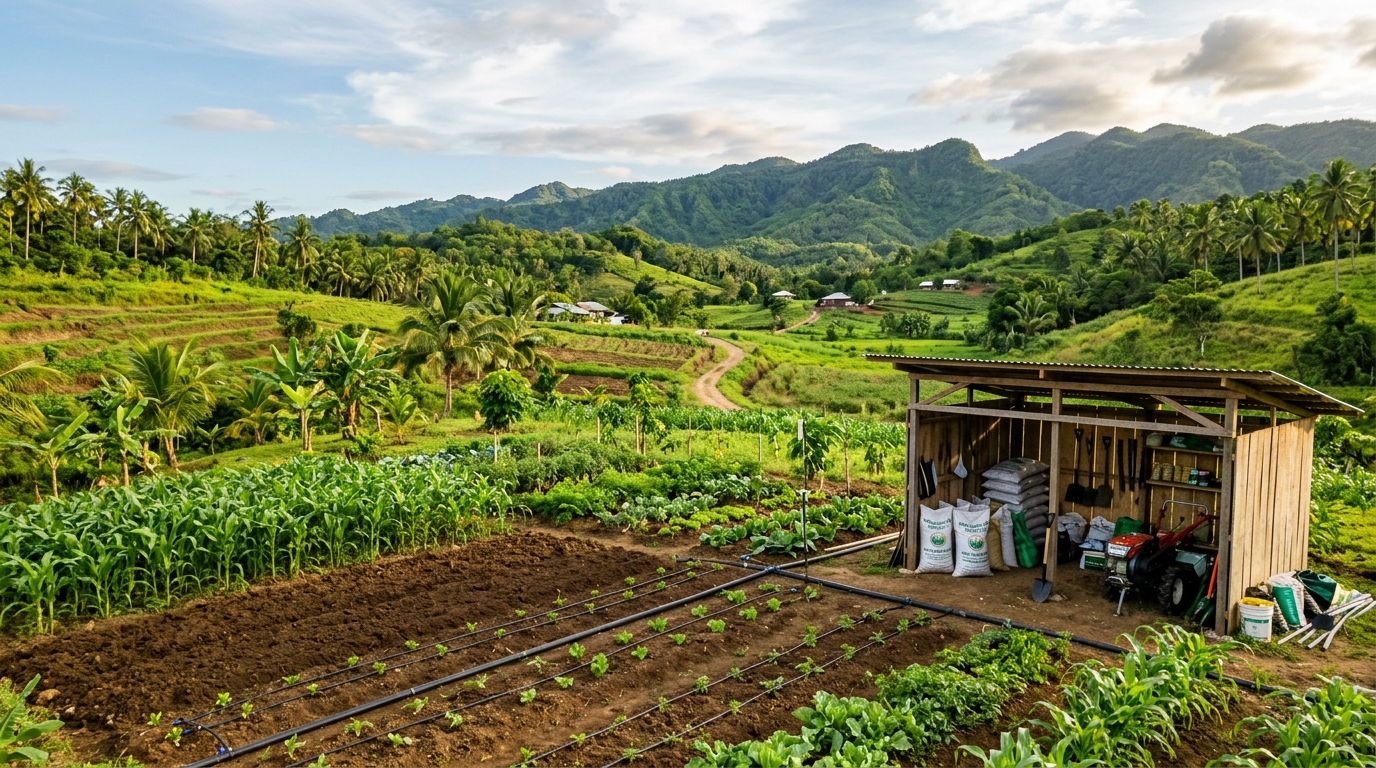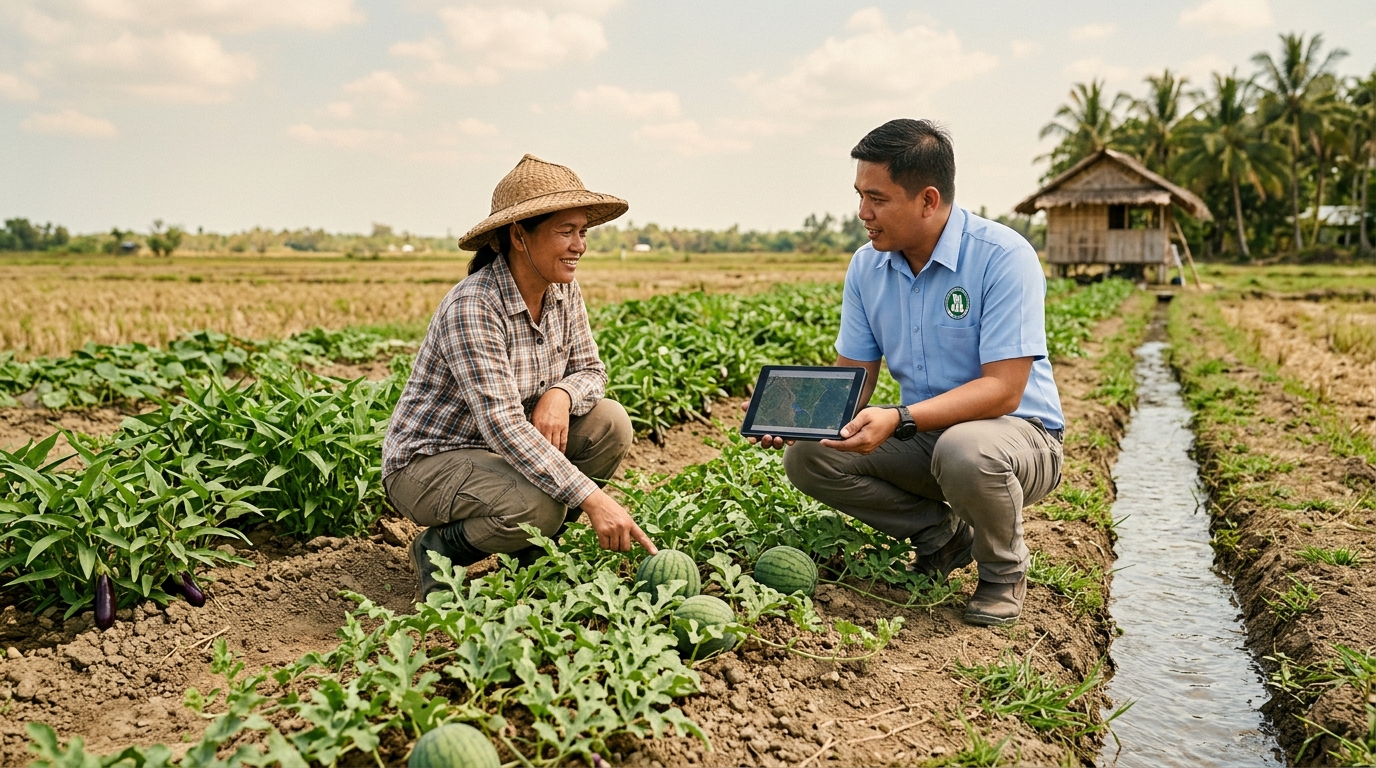
Bohol — In response to the growing threat of El Niño, the National Irrigation Administration (NIA) is helping Bohol farmers transition to drought-resistant crops in areas where water supply is currently limited. Engineering and operations officials are advising farmers served by the Ilihan, Tugas Can-olin, and Ilaya irrigation systems to pivot from water-intensive rice farming to high-value commercial crops. This strategic shift is designed to ensure that agricultural income remains stable even during drier months, allowing farmers to maximize their land's productivity without over-taxing scarce water resources. The initiative is part of a larger climate mitigation plan to secure food production throughout the province.
Practical Solutions for Resource Management
The transition to alternative crops like watermelon, ginger, turmeric, and various vegetables offers farmers a way to sustain their livelihoods despite unpredictable weather patterns. These high-value crops require significantly less water than traditional rice farming and often command strong market demand, providing a viable economic alternative. By working closely with local irrigation associations, the NIA helps identify the best crops for each specific area based on soil type and available moisture. This guidance is crucial for helping small-scale farmers navigate the challenges of climate change while keeping their operations profitable and productive.
Enhancing Economic Resilience
This approach empowers farmers to maintain their land's productivity, preventing the income losses that typically occur during long, dry periods. The flexibility of these crops, which have shorter production cycles, also means that farmers can easily switch back to traditional methods once favorable weather returns. By providing clear and actionable advice, the government is helping the province’s agricultural sector become more adaptable and less prone to the shocks of extreme weather. It is a practical example of how science-based management can translate into direct benefits for rural families.
Collaborative Climate Planning
Successful adaptation requires a high level of coordination between national agencies and local farming communities, which is exactly what this NIA initiative facilitates. Discussions at local forums have allowed experts and farmers to share insights and plan effectively for the months ahead. This partnership ensures that local needs are considered at every stage of the mitigation process, fostering a supportive environment for agricultural innovation. As the province continues to prioritize food security, such collaborative efforts remain vital to the sustainability of the agricultural landscape.