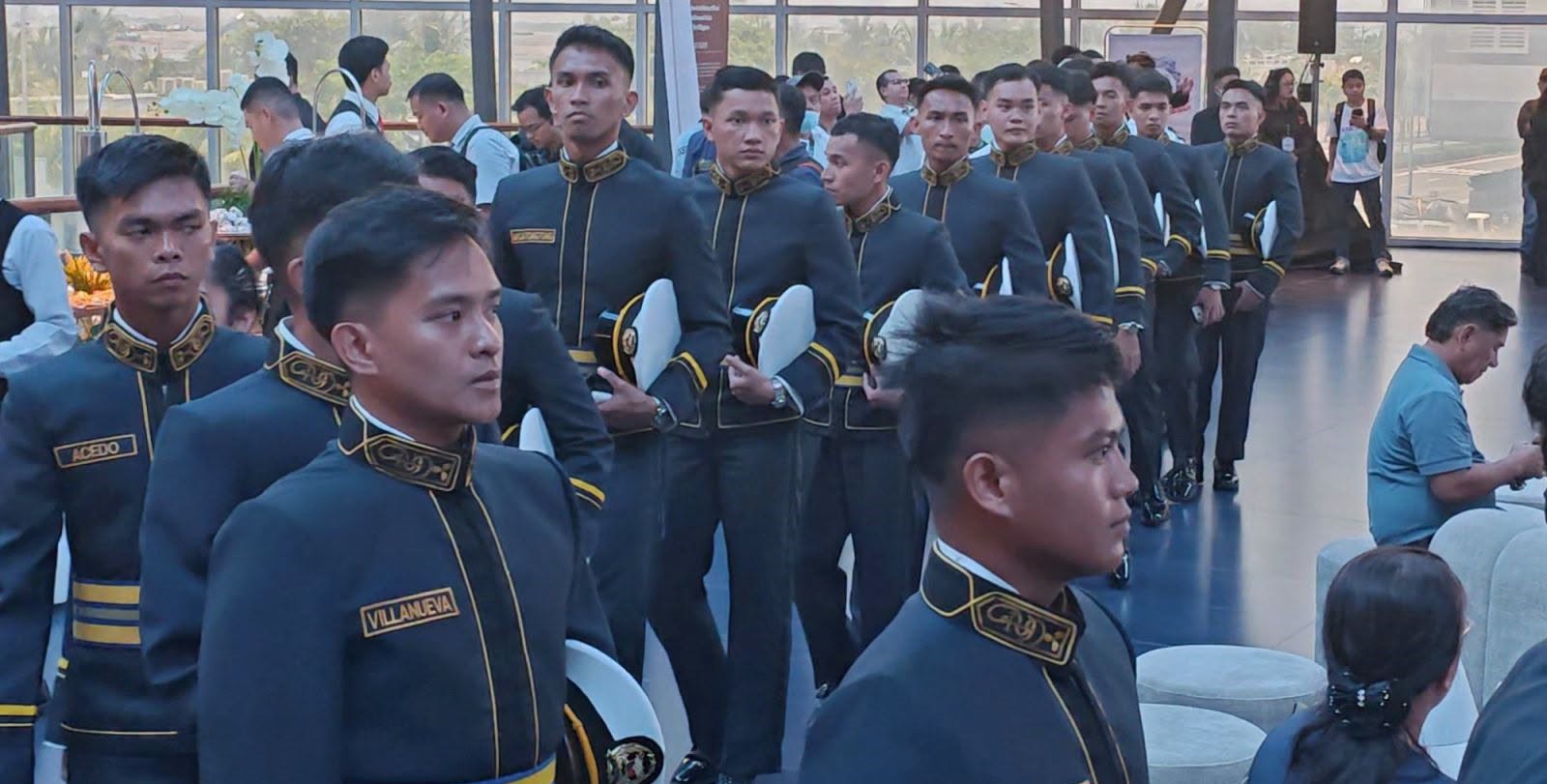
PASAY CITY — The Museo Del Galeon hosted 750 Filipino seafarers on June 22, 2026 for the Seafarer Social Summit, a celebration designed as a homecoming for the men and women who power global shipping. The Department of Migrant Workers led the event, which blended cultural pride with policy updates and practical support.
A Homecoming Fit for Maritime Heroes
The day began with a symbolic voyage aboard a traditional balangay across Manila Bay. Twenty‑five seafarers and maritime leaders sailed the ancestral waters that first carried Filipinos to sea. The gesture connected the modern workforce to a seafaring lineage stretching back over a thousand years.
Inside the museum, the program unfolded in three theatrical acts. “From Balangay to Galleon” honored ancient maritime communities and the Manila‑Acapulco trade. “The Filipino Seafarer Today” addressed the realities of life on contract, while “Where We Go Next” cast eyes toward technology and green shipping. The format turned a conference into a narrative of national pride.
Protections That Extend Beyond the Vessel
DMW Secretary Hans Leo J. Cacdac reaffirmed the government’s commitment to safeguarding seafarers and their families. He pointed to the Magna Carta of Filipino Seafarers, which institutionalizes 17 core rights and protects crew members against unjust fines and unfair medical assessments. The law also enforces stricter standards for wages and upskilling.
Cacdac stressed that the department’s duty does not end at the gangway. Migrant Workers Offices, Foreign Service Posts, manning agencies, and Seafarers Welfare Officers maintain a continuous monitoring network. When crises erupt abroad, the DMW activates assistance systems for both the crew member and the family waiting at home.
Preparing for Life Between and After Contracts
The afternoon shifted to practical sessions that seafarers themselves requested. Financial literacy expert Ronald Enrile guided attendees through asset management and investment strategies, aiming to help them build wealth beyond their sailing years. The message was clear: a paycheck at sea should translate into security on land.
A panel hosted by Lala Tolentino, in partnership with Inmarsat Maritime, tackled the emotional strain of long‑term family separation. Spouses and crew members shared coping strategies, and the conversation normalized seeking mental health support. The Mission to Seafarers also presented the latest Seafarer Happiness Index, offering data‑driven insights into crew well‑being.
A Global Workforce, Recognized and Respected
Keynote speaker Catherine Logie of OneOcean and Lloyd’s Register told the audience that the world entrusts multi‑million‑dollar vessels to Filipino seafarers because of their unmatched skill and professionalism. She urged them to continue pursuing learning, mentorship, and leadership, calling them the future of the entire maritime industry.
Filipino seafarers make up roughly one‑quarter of the global maritime workforce, a statistic that underscores their irreplaceable role in international trade. The Maritime Industry Authority set up an on‑site booth at the summit, offering immediate National ID registration and documentation assistance. The event was free for all attendees, organized in partnership with Philippine Transmarine Carriers and sponsored by global maritime firms.