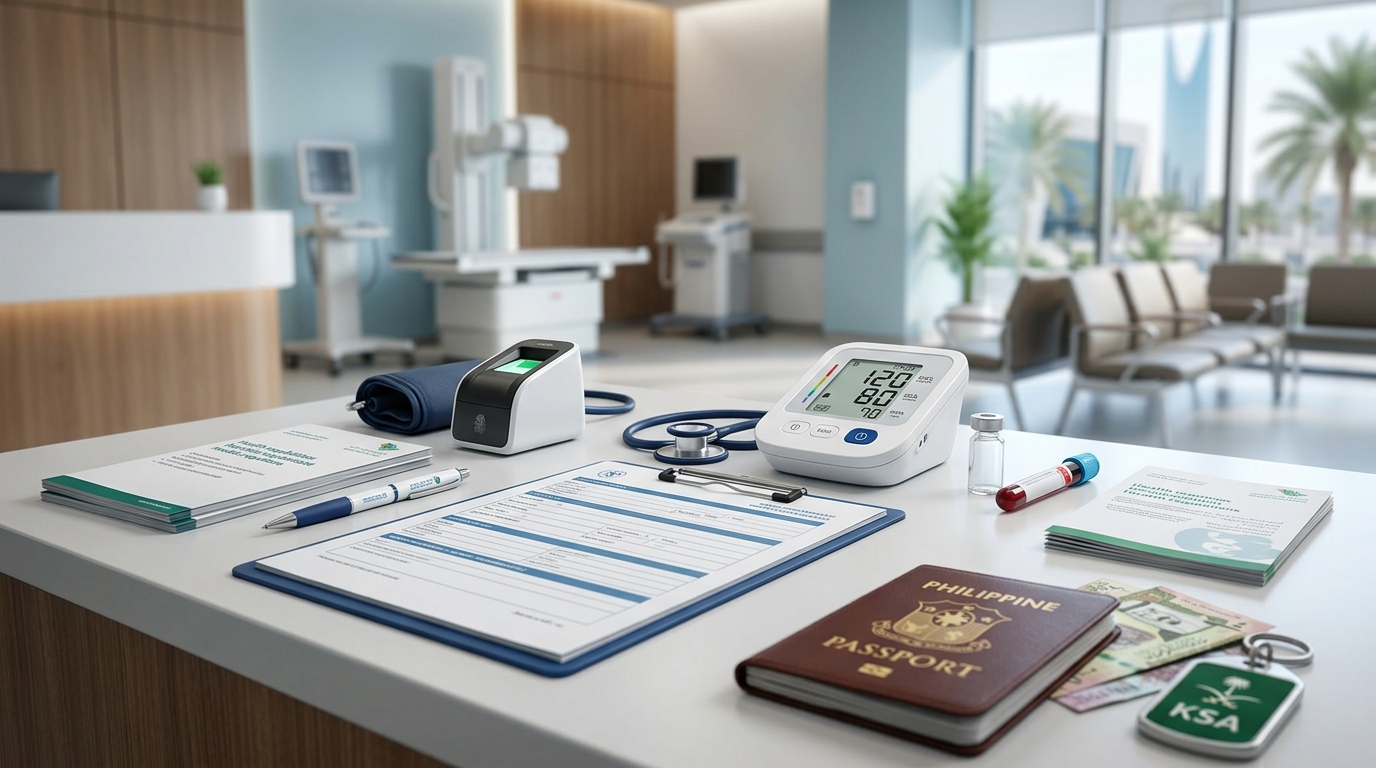
Saudi Arabia has recently initiated mandatory occupational fitness screenings for all workers within its borders, a significant regulatory update that carries direct implications for the hundreds of thousands of Filipino expatriates contributing to the Kingdom's economy. This new directive, reported by Gulf News, underscores a renewed focus on health and safety standards across various industries.
Syncing Onboarding Metrics Across the Unified Digital Health Registry
The mandate requires individuals employed in Saudi Arabia to undergo specific health assessments to ascertain their physical and mental suitability for their respective roles. While precise details on the scope and frequency of these screenings are anticipated, the initiative clearly aims to enhance workplace safety, ensure worker well-being, and boost overall productivity within the Saudi labor market. This systematic approach to occupational health is expected to become a standard part of employment processes, from initial hiring to ongoing tenure.
Enforcing Mandated Reassignments and Preventing Abrupt Termination
For Filipino Overseas Filipino Workers (OFWs) in Saudi Arabia, this mandate introduces another layer of compliance to their employment. It means that maintaining one's physical and mental health is not just a personal responsibility but a prerequisite for continued employment and future job opportunities. Employers are now tasked with ensuring their workforce meets these new occupational health benchmarks, which could affect hiring processes, contract renewals, and even the types of jobs available to foreign workers. This move reflects a broader trend towards stricter labor standards in the Kingdom, impacting the entire foreign labor force, including a significant population from the Philippines.
Deploying Mobile Consular Clinics and Standardizing Pre-Departure Clearances
Filipinos currently working or planning to work in Saudi Arabia should proactively stay informed about the specific requirements of these new fitness screenings as they become public. It is crucial for OFWs to maintain regular health check-ups and ensure they are medically fit for their jobs. The Philippine government, through its diplomatic missions and labor offices in Saudi Arabia, is expected to provide guidance and assistance to its nationals regarding these new regulations, ensuring their rights are protected and they are well-prepared for compliance. Proactive engagement with employers and labor attachés will be key for navigating this updated regulatory landscape effectively.