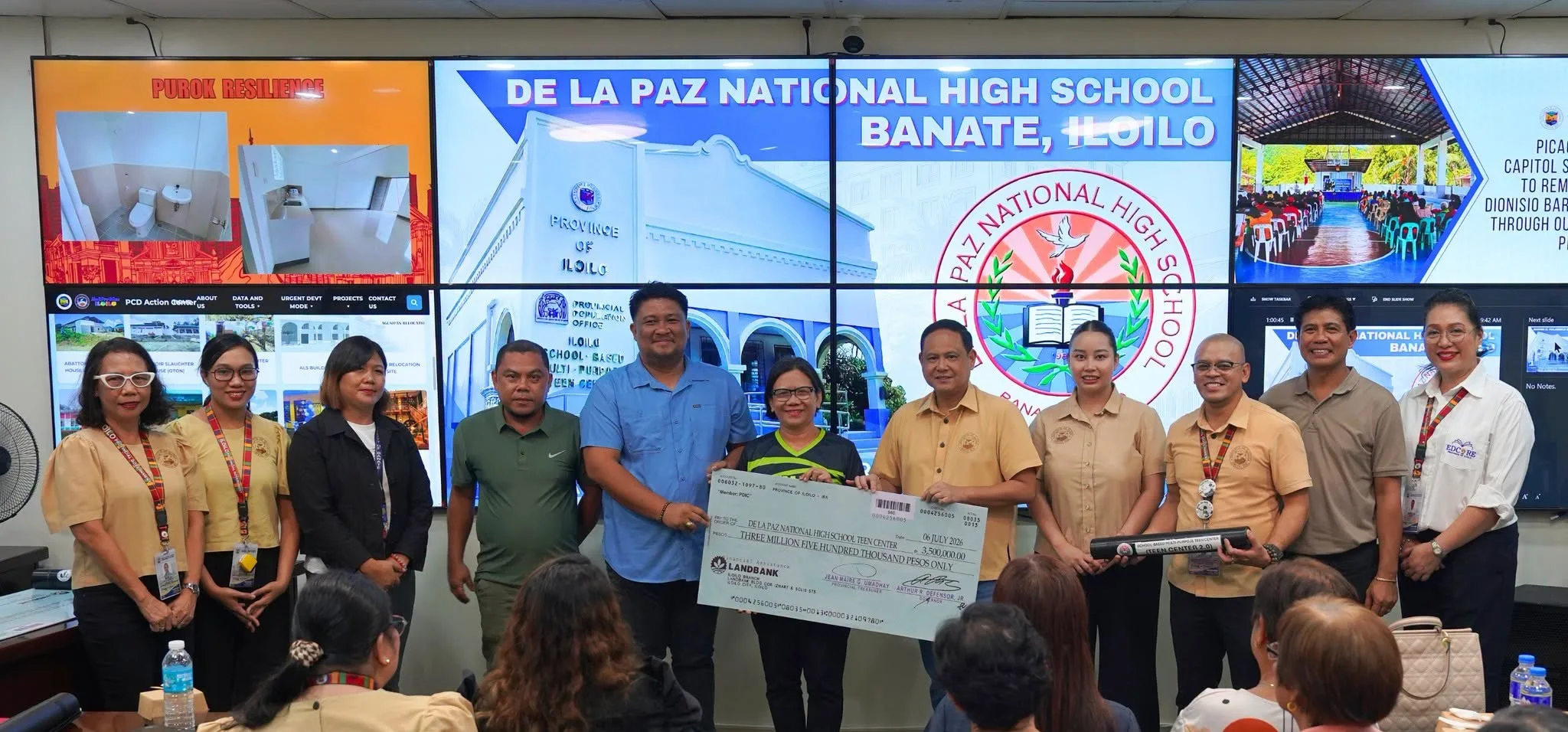
ILOILO CITY — Governor Arthur Defensor Jr. and Vice Governor Nathalie Ann Debuque handed over ₱42.5 million in cheques on July 6, 2026, to construct ten new mental health facilities across the province. Five school‑based Teen Centers 2.0 and five community‑based Family and Youth Development Centers will anchor the next phase of the PRIME (Program for Resilience of Iloilo in Mind and Emotion) initiative, marking a major shift toward early intervention and accessible psychiatric care.
PRIME Expansion Moves from Helpline to Physical Hubs
The province launched its PRIME 24/7 mental health helpline in April 2026, staffing it with trained social workers and psychometricians. The hotline quickly became a crucial first point of contact, but officials recognized that a telephone conversation alone cannot sustain long‑term recovery. The new centers will convert crisis calls into in‑person counseling and structured support.
Governor Defensor said the facilities will serve as the operational base for PRIMETIME, a community‑ and school‑based initiative that complements the hotline. “We already have our PRIME helpline, our 24/7 hotline for mental health. But we want to implement with you,” he told local officials and school heads. The physical spaces aim to close the gap between virtual triage and face‑to‑face healing.
Five Teen Centers Anchor School‑Based Intervention
Each Teen Center costs ₱3.5 million and will rise inside a public high school campus. Dapdap National High School in Tigbauan, De La Paz National High School in Batad, Rufino G. Palabrica Sr. National High School in Dingle, Anilao National High School, and Barotac Viejo National High School were selected as pioneer sites.
The centers will house a lounge area, counseling rooms, an activity space, and a guidance coordinator’s office. Students experiencing anxiety, depression, cyberbullying, or family conflict can walk directly into a dedicated safe zone without leaving school grounds. The design treats the facility as a “home outside our own house,” reducing stigma by integrating mental health care into the daily school environment.
Family Centers Bring Services Closer to Communities
Five municipalities — Miag‑ao, Alimodian, Maasin, Anilao, and Barotac Viejo — will each receive a Family and Youth Development Center valued at ₱5 million. These municipal‑level hubs will offer adolescent health services, responsible parenthood education, life‑skills training, and family counseling. The locations were chosen to decentralize access, ensuring families in remote barangays can reach professional support without traveling to the capital.
The family centers also function as preventive care platforms. By equipping parents with skills to recognize early signs of emotional distress in their children, the province hopes to intervene before conditions escalate into full‑blown crises. The model treats mental health as a continuum that spans the household, the school, and the broader community.
Alarming Data Drives Urgent Action
Governor Defensor framed the investment with stark local statistics. Iloilo records an average of 70 suicide cases annually, a figure he compared to typhoon fatalities that rarely exceed 10 lives lost per year. “Mental health is a national emergency,” he said, noting that suicidal ideation among adolescents had risen at an alarming pace over the past two years.
The Western Visayas Medical Center in Iloilo City has been logging approximately 200 psychiatric cases per day. Emergency rooms frequently encounter young patients in acute distress with no follow‑up facility to refer them to. The new centers aim to relieve that bottleneck by absorbing non‑emergency cases early, keeping hospital resources available for the most severe conditions.
Multi‑Agency Network Supports Holistic Care
The Iloilo Provincial Population Office will oversee the centers, but a broader alliance ensures wraparound support. The Department of Education, Department of Health, Provincial Social Welfare and Development Office, Philippine National Police, and the Integrated Bar of the Philippines have all committed to the framework.
This network means a teenager who reports cyberbullying at a Teen Center can receive not only counseling but also legal assistance in filing a complaint. A family in crisis can access both a social worker and a police officer in the same visit. By aligning medical, legal, and social services under one coordinated umbrella, the province aims to treat the whole patient rather than just the diagnosis.