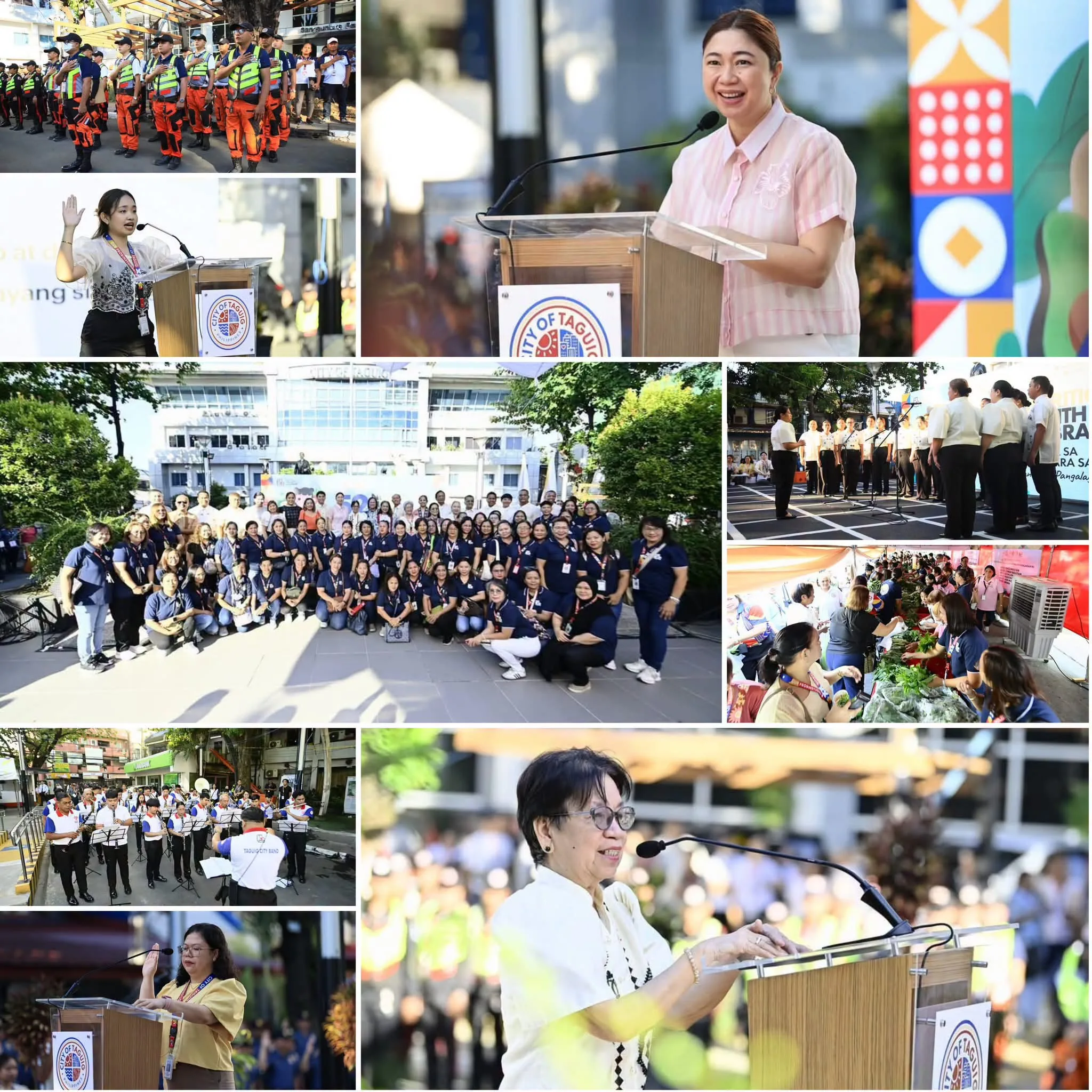
DUMAGUETE CITY — The city kicked off the 52nd National Nutrition Month on July 1, 2026, blending health advocacy with environmental stewardship under the theme “Nutrisyon at Kalikasan, Ating Pangalagaan!” The day‑long event underscored the direct link between sustainable ecosystems and the nutritional well‑being of communities.
Floats of Fresh Produce Parade Through the City
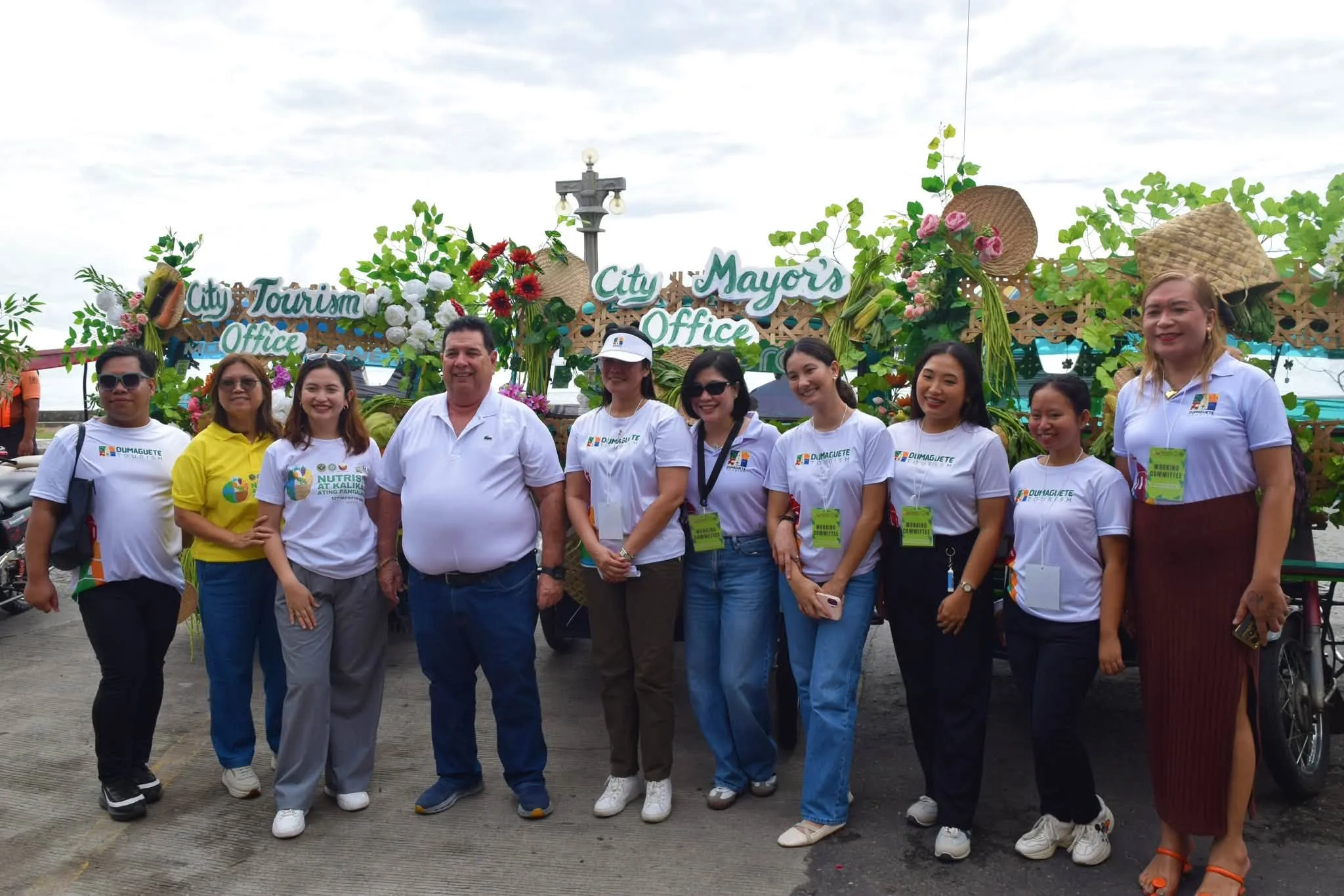
A colorful eco‑float procession rolled along Rizal Boulevard, featuring trucks and tricycles decked with vegetables, fruits, and potted plants. The City Mayor’s Office and City Tourism Office led the parade, joined by barangay health workers and national agencies, visually reinforcing the message that protecting nature secures the food on every table.
The parade drew crowds who cheered as the mobile gardens passed. Local officials noted that the vibrant display was designed to inspire households to start backyard gardens and adopt healthier eating habits, turning nutrition education into a festive community experience rather than a lecture.
Tree Planting Anchors Food Security in Barangay Candau‑ay
Before the parade, officials planted over 200 fruit‑bearing tree seedlings at the Materials Recovery Facility in Barangay Candau‑ay. National Nutrition Council OIC Executive Director Atty. Rosalina Bascao and Mayor Manuel Sagarbarria led the activity, emphasizing that planting trees today yields direct nutritional dividends for future generations.
Bascao said the campaign aims to highlight climate‑smart practices that build resilient food systems. The saplings, which include mangoes and calamansi, will not only absorb carbon but eventually provide free, fresh produce to the community, reinforcing the food supply at the grassroots level.
Mobile Kitchens and School Hydroponics Debut
Mayor Sagarbarria announced the purchase of two mobile food kitchen units that will soon visit public elementary and secondary schools. These rolling kitchens will prepare hot meals using ingredients sourced from local farms, serving as an immediate weapon against classroom hunger.
Simultaneously, the city is installing hydroponic gardens in schools, funded by the Philippine Reclamation Authority. Co‑managed by parent groups, these soil‑free gardens will teach students modern farming techniques while supplying leafy greens directly to school‑based feeding programs, ensuring a sustainable cycle of nutrition education and nourishment.
Half‑a‑Billion Pesos Targets Early Childhood Malnutrition
The Department of Social Welfare and Development’s Negros Island Region office has allocated ₱500 million this year to combat malnutrition among children aged three to four. The funds will support intensive milk‑feeding operations in over 3,000 Child Development Centers, directly implementing the Philippine Plan of Action for Nutrition framework.
Regional Director Arvin Razo confirmed that the program aims to reach around 100,000 preschoolers. The substantial investment reflects a government‑wide recognition that nutritional intervention in early childhood yields lifelong health benefits and reduces the future burden of stunting and wasting.
Provincial Dairy Farm to Secure Fresh Milk Supply
Governor Manuel “Chaco” Sagarbarria revealed that the province is partnering with the National Dairy Authority to establish a dairy farm and milk processing facility in Tamlang Valley. The project aims to produce fresh milk for the entire Negros Island Region, cutting reliance on imported powdered milk and providing a steady supply for the feeding programs.
The dairy initiative will also create livelihood opportunities for local farmers, linking nutrition directly to economic development. The Governor said that long‑term food security requires local production, and the dairy farm is a critical piece of that vision.