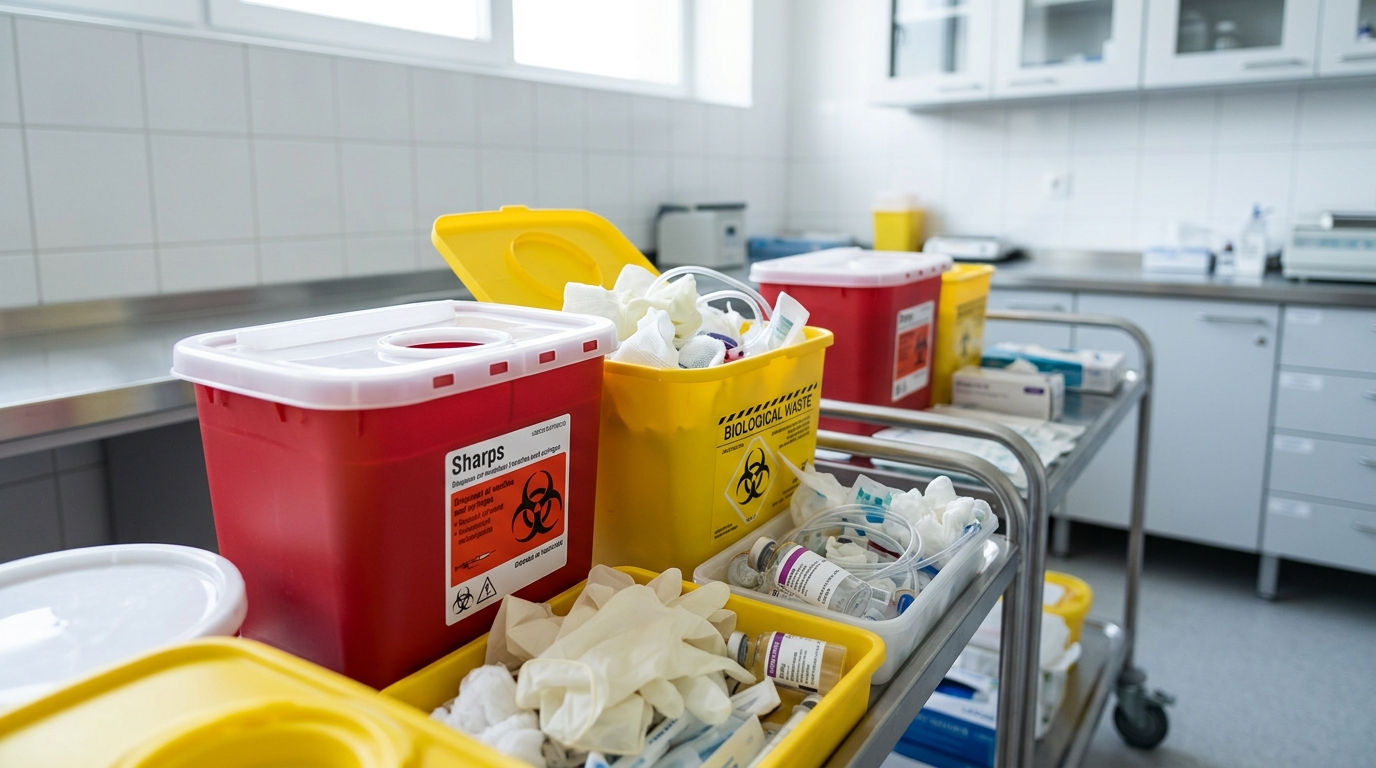
CAGAYAN DE ORO — Local authorities in Cagayan de Oro have expressed significant alarm regarding the recent data indicating that the city generates approximately 14 tons of medical waste every single day. This volume of specialized waste—which includes items such as used syringes, biological materials, and contaminated clinical equipment—poses a critical challenge for the city’s waste management infrastructure. As Cagayan de Oro continues to serve as the medical hub of Northern Mindanao, officials are urgently calling for enhanced monitoring and stricter adherence to disposal protocols to prevent these hazardous materials from threatening public health and the environment.
The Growing Challenge of Clinical Waste Management
The 14-ton daily figure reflects the city's status as a centralized provider of medical services for the entire Northern Mindanao region. With numerous hospitals, clinics, and laboratory facilities operating within the city, the volume of infectious and hazardous waste has reached a scale that tests the current capabilities of local disposal systems. Medical waste requires rigorous handling, storage, and specialized treatment—often involving high-temperature incineration or autoclaving—to neutralize potential pathogens before final disposal. The current challenge lies in ensuring that all health facilities, both large and small, are consistently following these specialized protocols.
Evaluating Infrastructure and Regulatory Compliance
In response to the alarming reports, city executives are working to audit the compliance levels of medical institutions regarding their waste disposal contracts and methods. There is a pressing need to determine if current treatment facilities are equipped to handle this daily load safely or if the city requires upgraded technological solutions to prevent backlogs. Discussions are focusing on the necessity of enforcing stricter penalties for facilities found in violation of environmental laws. The goal is to move beyond simple monitoring toward a robust, sustainable system that can safely process the high volume of waste associated with the city’s expanding healthcare sector.
Protecting Public Health and Long-Term Environmental Safety
Beyond the immediate logistical concerns, the issue is fundamentally about protecting the health of Kagay-anons and the integrity of the local ecosystem. Improper disposal of medical waste can lead to the contamination of groundwater and the potential spread of infectious diseases if these materials are incorrectly comingled with general municipal trash. City authorities are emphasizing that public safety is the primary driver behind the push for tighter regulations. By addressing these waste management gaps now, the city aims to maintain its growth as a regional healthcare destination without compromising the health and safety of the communities that rely on its services.