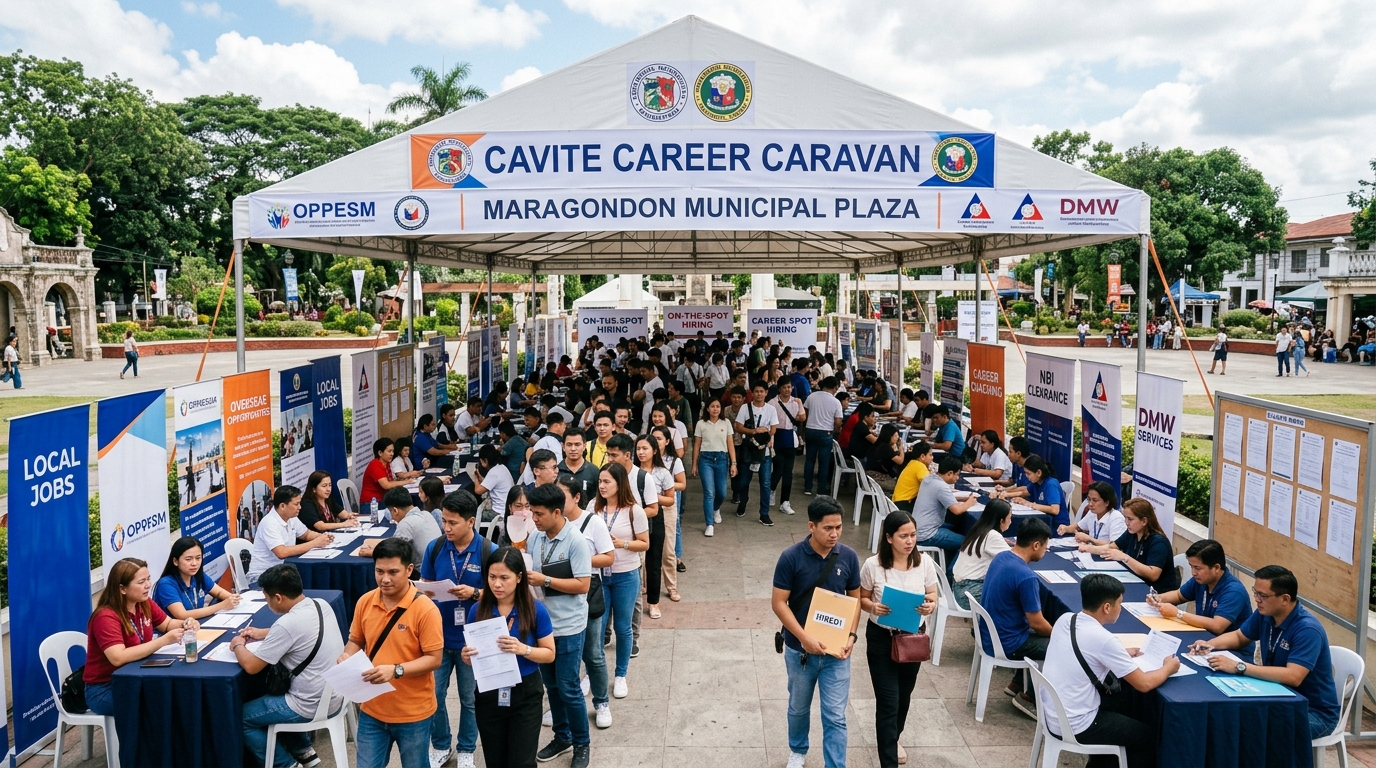
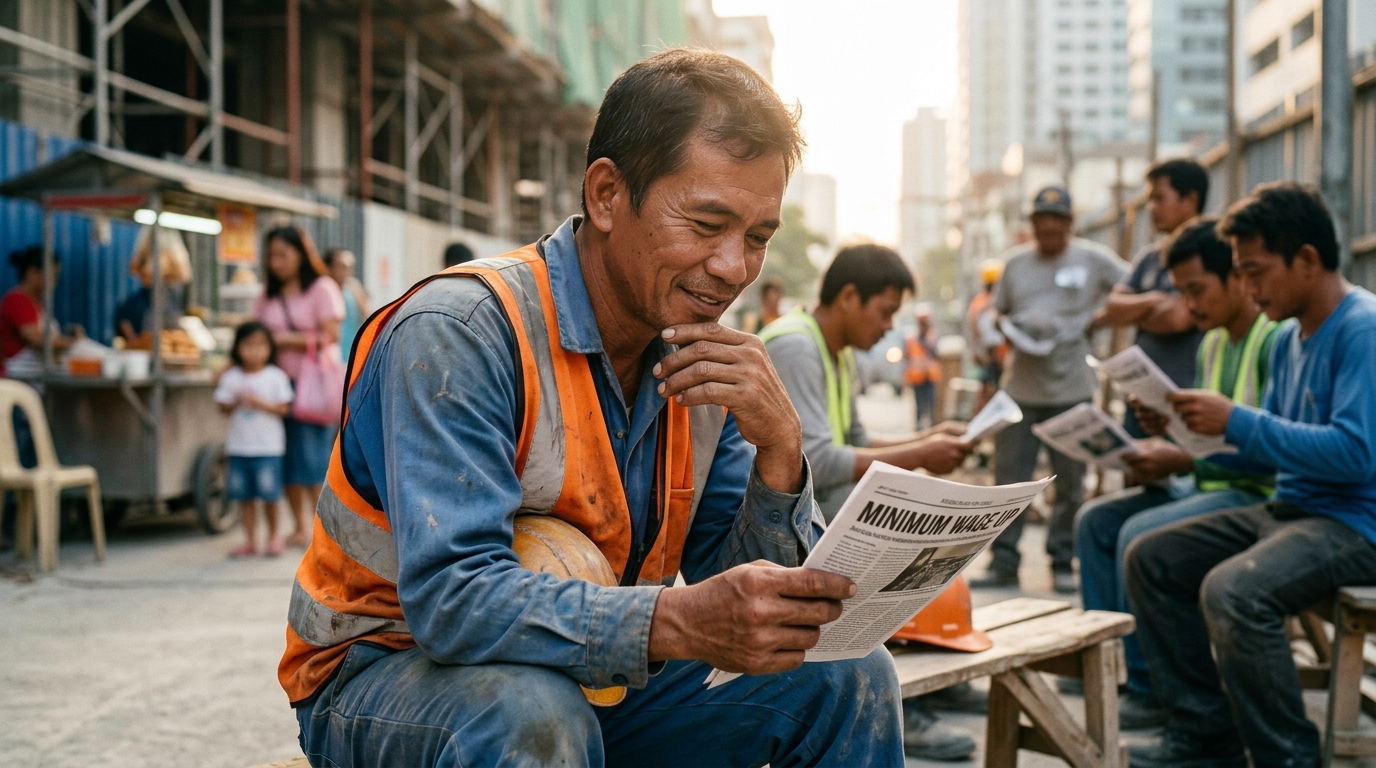
The Department of Labor and Employment (Dole) has officially declared an P85 increase in the daily minimum wage for workers across Metro Manila. Hailed as "historic" by the agency, this adjustment is poised to impact countless Filipino households in the nation's bustling capital region, marking a significant, albeit modest, step towards addressing the persistent challenge of rising living costs.
Splitting the Historic Adjustment Across Phased Regional Implementations
This latest development means that minimum wage earners in Metro Manila will see an addition of P85 to their daily earnings. While the exact date of implementation was not specified in the initial announcement, the move underscores the government's recognition of the economic pressures faced by its workforce. The increase is specifically targeted at those earning the minimum wage, a demographic that forms a crucial backbone of the Philippine economy.
Easing Domestic Financial Demands on Global Migrant Breadwinners
For many Filipinos, particularly those residing and working in Metro Manila, this wage hike represents more than just an additional P85; it symbolizes a glimmer of hope for improved financial stability. Even a seemingly small increase can have a tangible impact on daily necessities, such as food, transportation, and utilities, which have seen consistent price surges. For families reliant on a single income, or those with multiple minimum wage earners, this adjustment could mean the difference in affording basic needs. The implications extend beyond the immediate beneficiaries. Overseas Filipino Workers (OFWs) often send remittances home to support families who may have members working in Metro Manila. Any improvement in local wages can ease the financial burden on these families, potentially reducing their dependence on remittances or allowing OFWs to save more. Conversely, the economic conditions within the Philippines, including wage levels, often factor into an OFW's decision to stay abroad or return home, making such domestic labor policy changes relevant to the global Filipino diaspora.
Securing Strict Corporate Compliance to Guard Against Salary Distortion
Filipino workers in Metro Manila should stay informed about the official implementation date of this wage hike and understand how it specifically applies to their employment. It is crucial for employees to be aware of their rights and to ensure that their employers comply with the new minimum wage standards once they take effect. For OFWs and their families, monitoring such economic developments in the Philippines is vital. While P85 may not drastically alter the broader economic landscape, it is part of an ongoing conversation about fair wages and living standards. Continued advocacy for competitive wages across all sectors remains essential to ensure that all Filipino workers, whether at home or abroad, can achieve a dignified and sustainable quality of life.