DAVAO CITY — The Department of Health in Davao Region has rolled out a comprehensive preparedness strategy to protect communities as the likelihood of a prolonged dry spell intensifies across Mindanao.
A Proactive Health Shield
Under the leadership of OIC Regional Director Dr. Ellenietta HMV N. Gamolo, the DOH-Davao Center for Health Development reconstituted a dedicated Technical Working Group for El Niño Preparedness and Response. This team is tasked with crafting contingency plans and ensuring all health facilities comply with readiness standards.
The centerpiece of this effort is a 2026 Macro Action Plan designed to safeguard public health amid forecasts that El Niño conditions may persist until early 2027. The plan shifts the region’s posture from passive monitoring to active defense against climate-sensitive diseases.
Rigorous Facility Monitoring
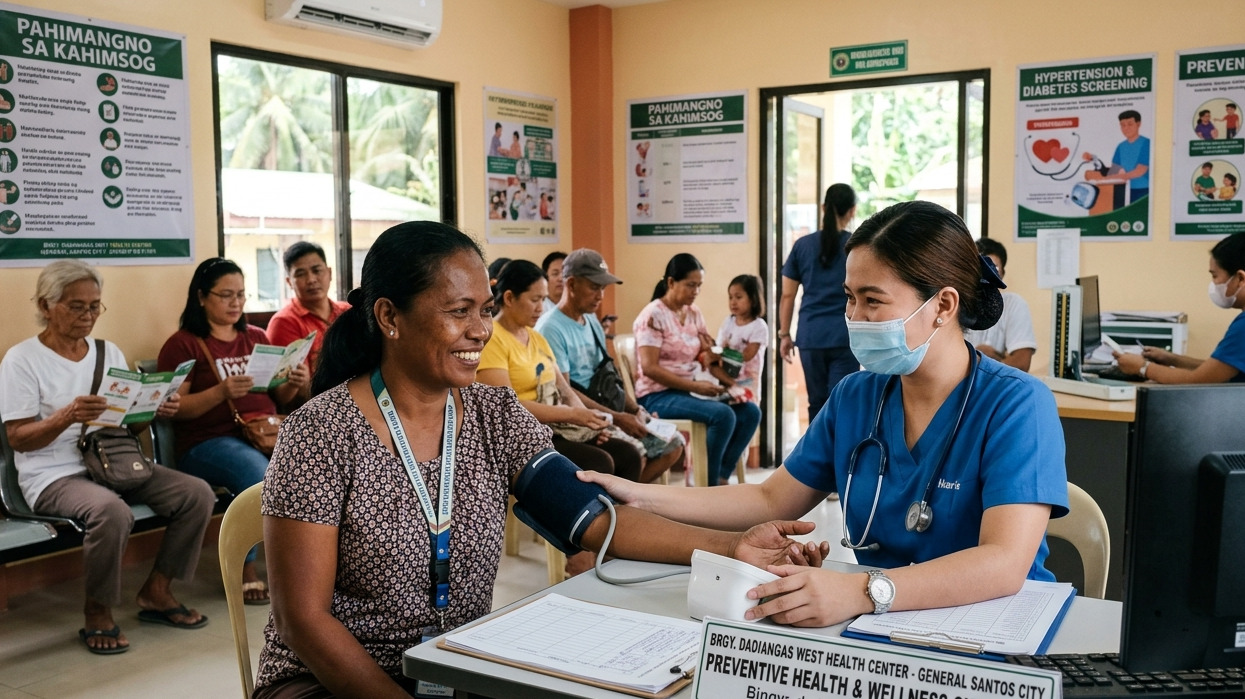
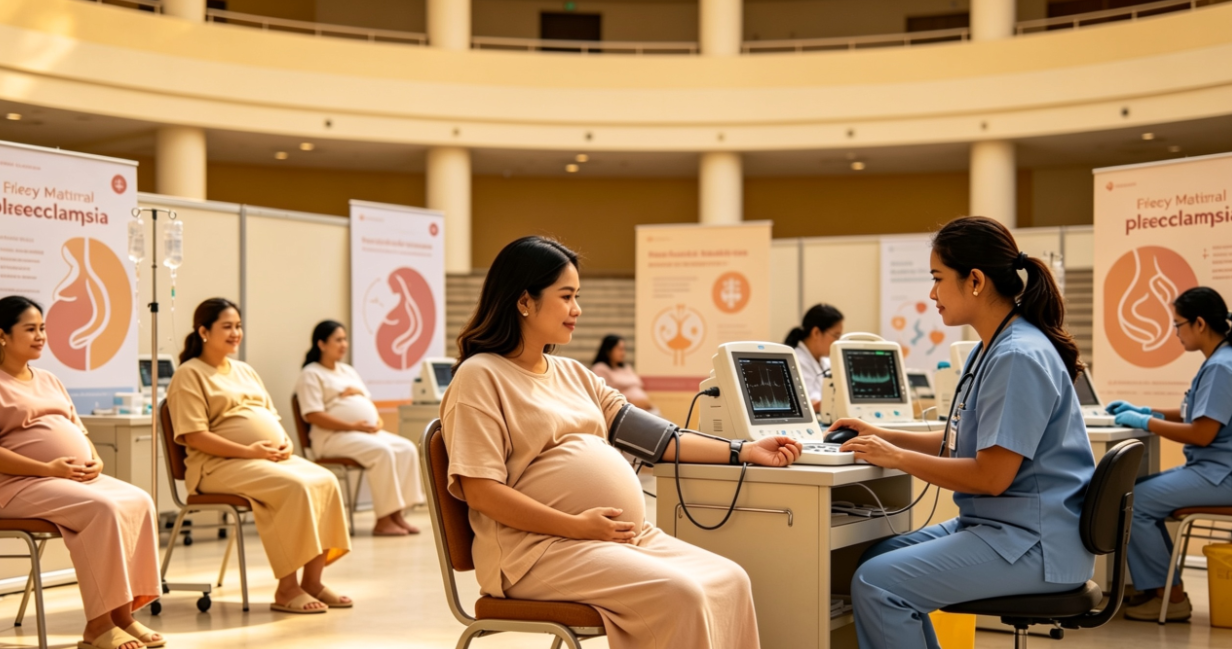
A critical component of the action plan involves meticulous hospital assessments. Health officials are deploying specialized checklists to evaluate the adequacy of water and power reserves in medical facilities across the region.
Hospitals are required to maintain self-sufficiency for at least 72 hours to guarantee uninterrupted medical services even during supply disruptions. The DOH is also stockpiling essential medicines and prepositioning hygiene commodities to enable rapid outbreak response.
Tracking Silent Health Threats
The regional epidemiology bureau has initiated weekly disease surveillance to detect surges in water- and food-borne illnesses. Scarcity of potable water significantly elevates the risk of cholera, typhoid fever, hepatitis A, and various diarrheal diseases.
Vector-borne diseases also pose a growing concern. Officials are closely monitoring dengue, chikungunya, malaria, and Zika virus cases, which tend to multiply during extended warm periods. Heat exhaustion and life-threatening heat stroke remain top concerns for outdoor workers.
Empowering Communities
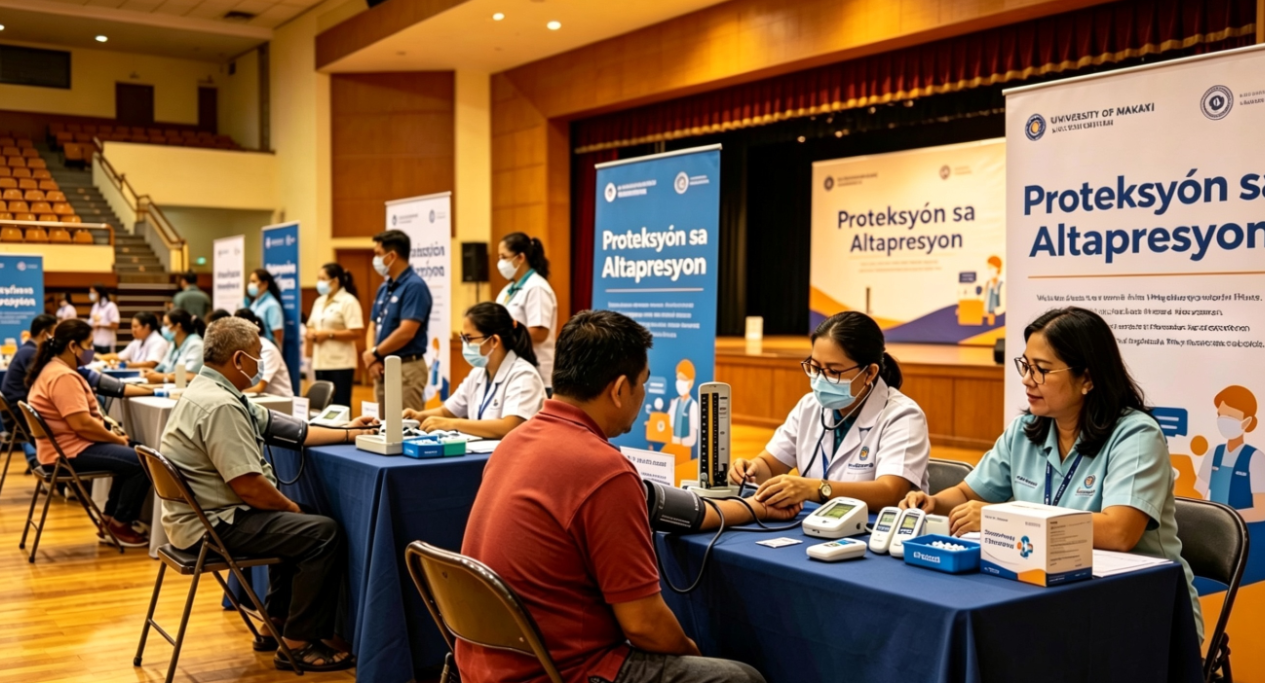
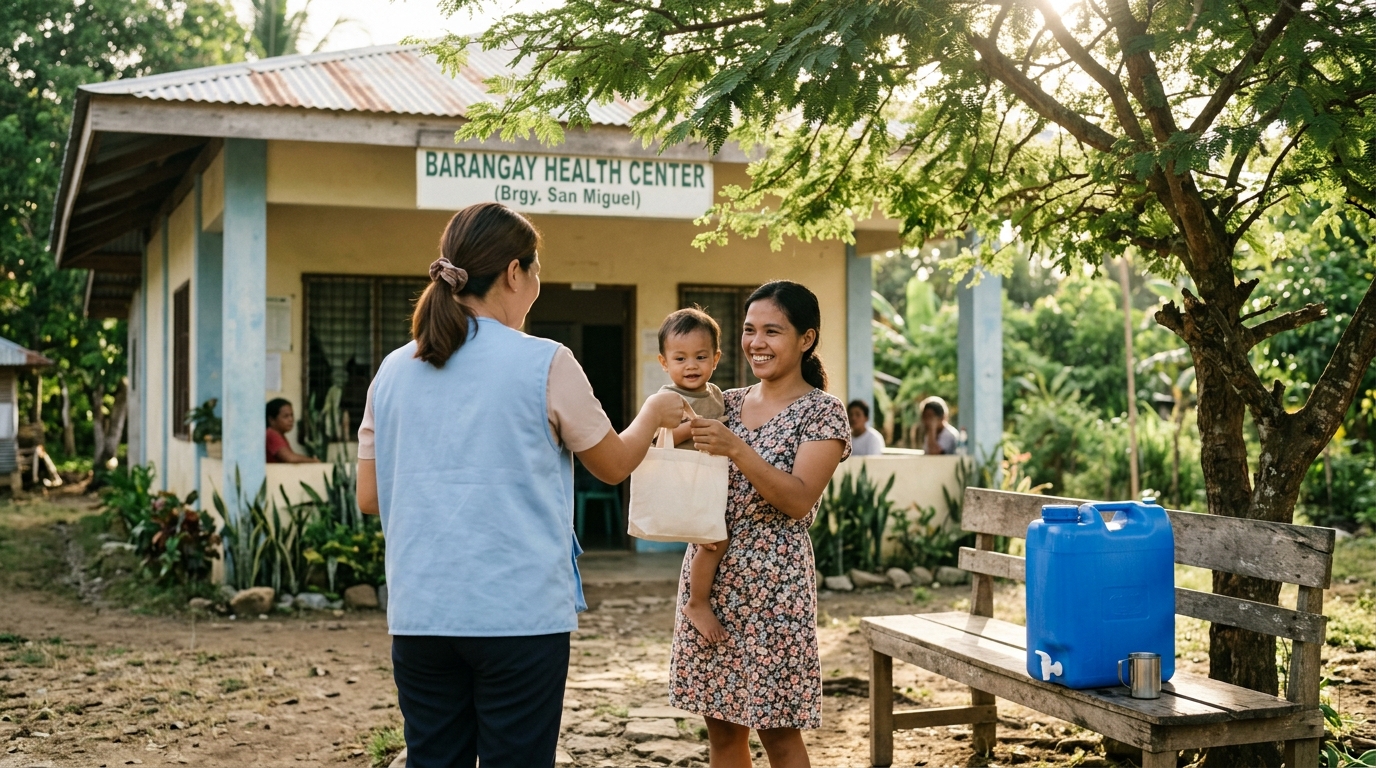
Risk communication stands as a cornerstone of the region’s defense. The DOH advises residents to boil water for at least two minutes if safety is uncertain and to limit outdoor activities during peak sun hours.
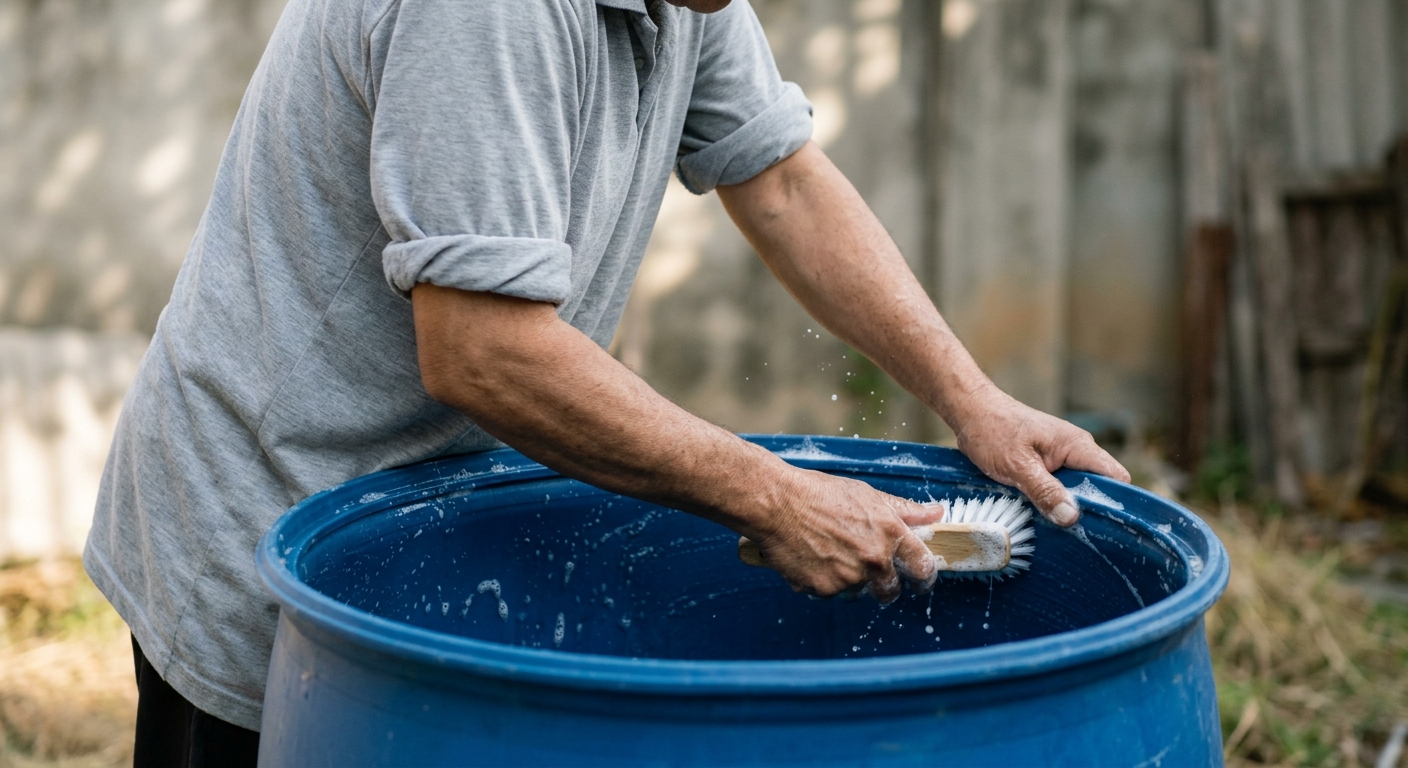
The public is urged to follow the “4S” dengue strategy: search and destroy breeding sites, use self-protection measures, seek early consultation, and say yes to fogging during outbreaks. Any individual experiencing high fever, rapid heartbeat, or convulsions should seek emergency care immediately.
The Southern Philippines Medical Center has begun conducting lectures reminding laborers to strengthen occupational safety practices and balance productivity with worker well-being during extreme heat events.
A Shared Responsibility
PAGASA has placed the region under an El Niño Alert, citing a 79 percent probability that dry conditions will emerge between June and August. Several Davao provinces are already experiencing dry spells with below-normal rainfall.
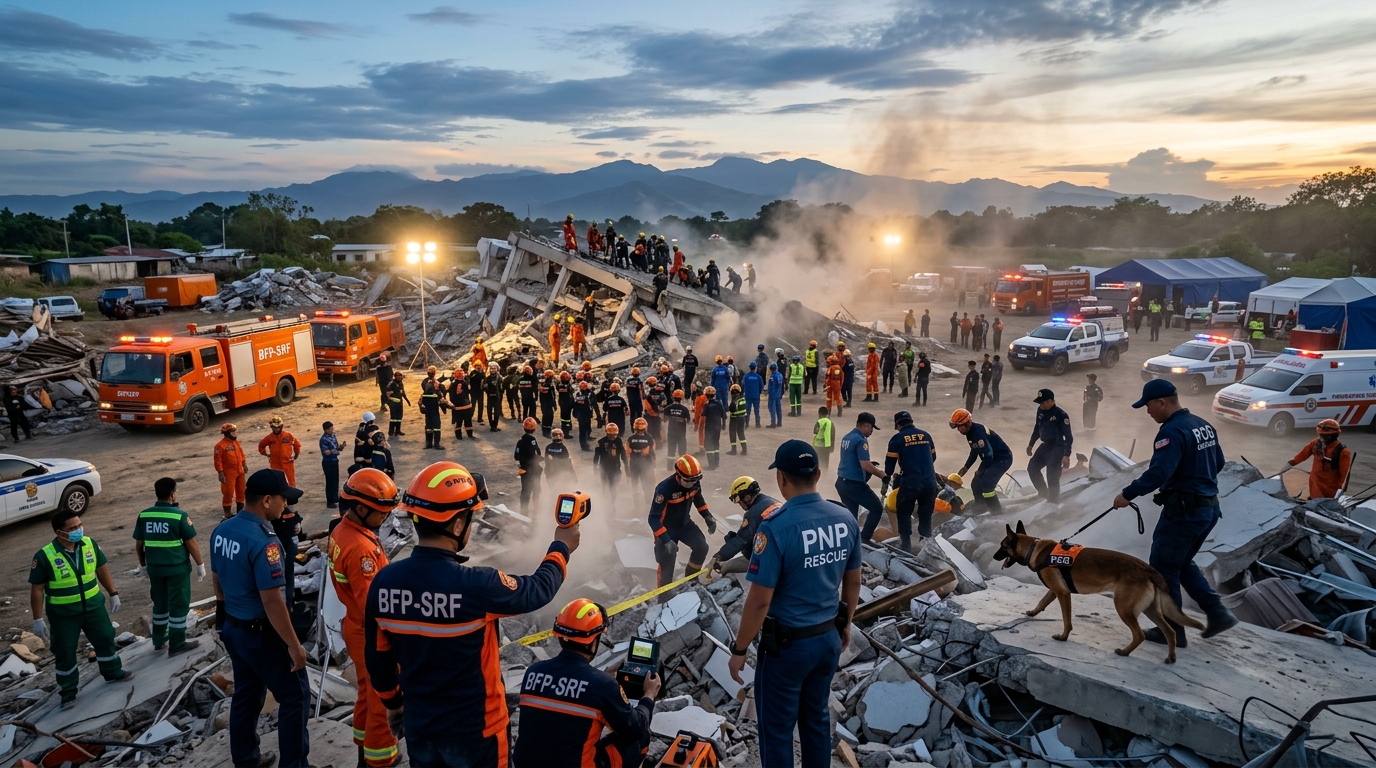
The Office of Civil Defense confirmed that nearly all local government units have activated dedicated task forces. Authorities emphasize that community cooperation with health advisories will determine how safely the region navigates the challenging months ahead.