Cebu’s healthcare sector received a massive boost this week as more than 800 newly registered medical technologists and laboratory technicians formally entered the profession. The oath-taking ceremony, held on May 5, 2026, at the Nustar Cebu Grand Ballroom, marked a milestone for the Visayas region's diagnostic capabilities. Organized by the Philippine Association of Medical Technologists (PAMET) Cebu Chapter, the event served as a formal induction for the board passers of the March 2026 Medical Technologists Licensure Examination (MTLE). With the Cebu Provincial Capitol officially recognizing the vital role of these professionals, the ceremony underscored a broader 2026 initiative to prioritize precision-based medicine and laboratory accuracy in the province's growing hospital network.
A Recognition of Silent Heroes
On behalf of Governor Pamela Baricuatro, Provincial Health Consultant Dr. Elisse Nicole Catalan delivered a message emphasizing that medical technologists are the "foundation" of quality patient care. During the May 5 ceremony, the Capitol highlighted that while these professionals often work behind the scenes in laboratories, their commitment to precision and integrity is what drives life-saving decisions. The 2026 batch is seen as a critical infusion of talent into the local health system, particularly as the province expands its diagnostic facilities. This recognition serves to elevate the status of the profession, which Governor Baricuatro’s administration views as indispensable to the "No Cebuano is left behind" health agenda.
Strengthening the Regional Health Grid
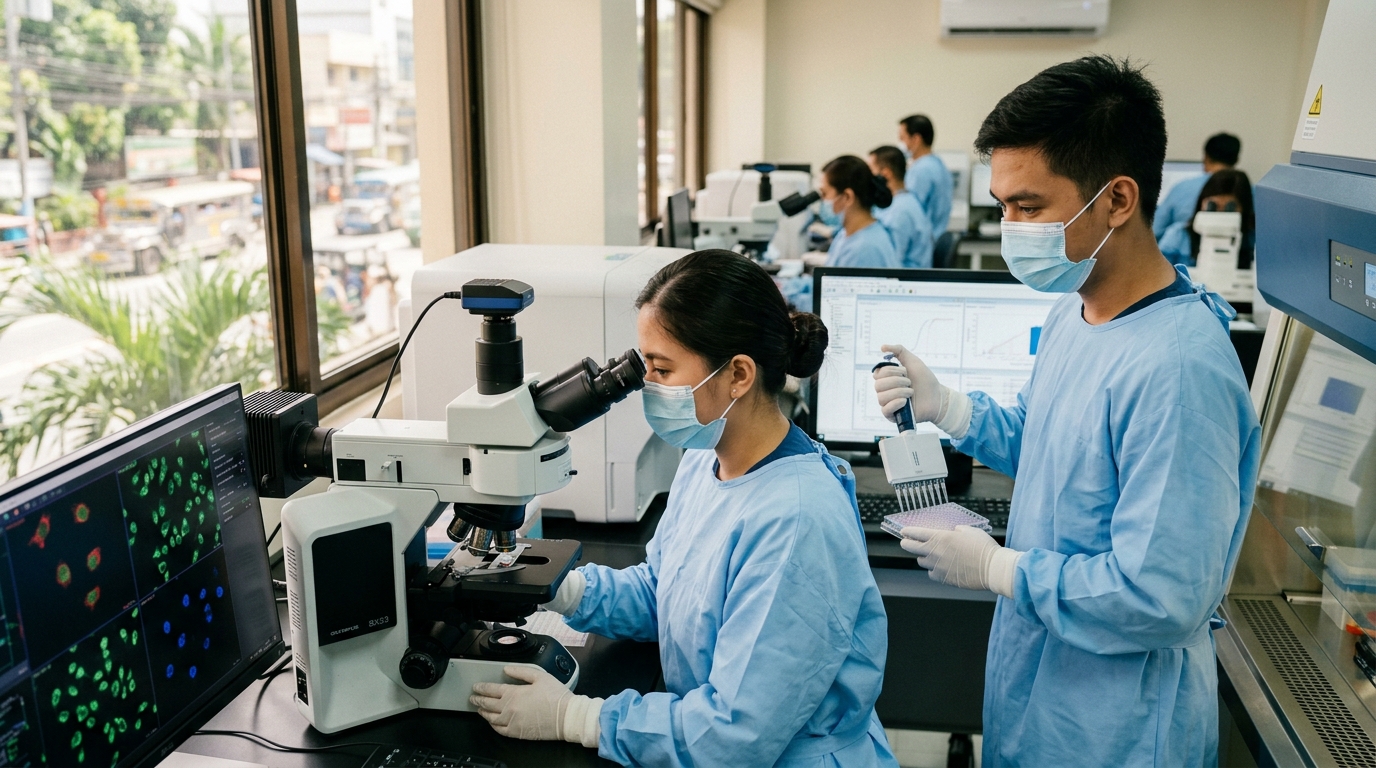
The induction of 800 new professionals comes at a strategic time for the Visayas region, which has been scaling up its medical laboratory infrastructure throughout early 2026. PAMET officials noted that the influx of licensed RMTs (Registered Medical Technologists) will help address the manpower needs of both government-run district hospitals and private tertiary centers in Metro Cebu. By formally welcoming these practitioners, the association and the Capitol are ensuring that the region maintains a steady supply of specialists capable of handling complex diagnostic equipment and advanced pathology. This workforce growth is expected to decrease turnaround times for critical lab results, directly impacting the efficiency of epidemic monitoring and routine clinical services across the province.