CEBU CITY — The Cebu Provincial Government is investing ₱40 million in two disaster storage hubs in Danao City and Sibonga, with construction set for September 2026. The facilities, paired with new rescue assets, signal a major push to safeguard communities and their property.
Strategic Storage Hubs for Rapid Response
The 1,200‑square‑meter warehouses will hold relief goods, cold‑storage medicines, and response equipment, serving the north and south. Local government units can also use them as backup storage. This redundancy ensures that critical supplies reach affected areas quickly.
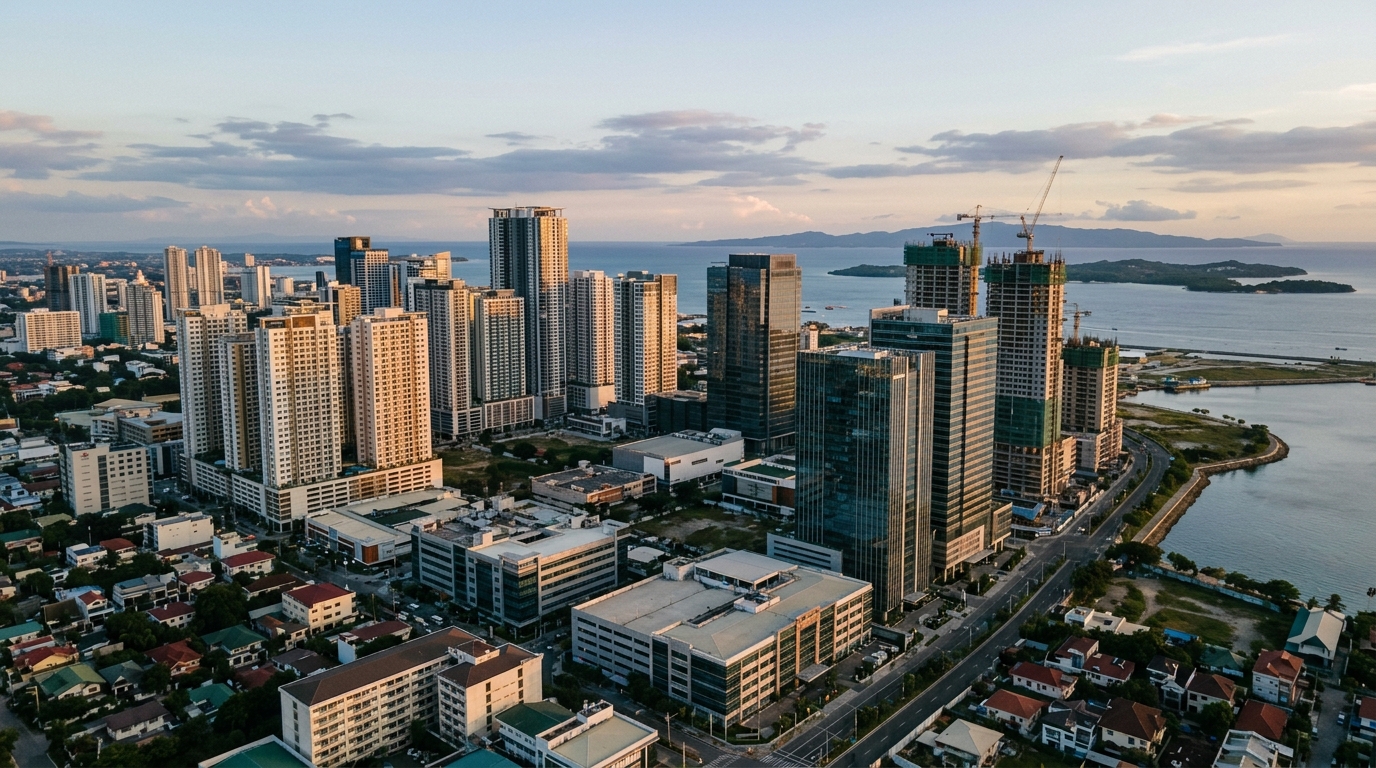
Faster relief translates into less displacement and swifter recovery for homeowners. The hubs will help prevent secondary damage to properties when aid arrives promptly. For real estate, a well‑prepared locality is a safer, more insurable environment that appeals to discerning buyers and investors.
High‑Tech Tools Safeguarding Communities
The PDRRMO is acquiring six flood boats, four rubber boats, and sea ambulances for Bantayan and Camotes islands. A thermal‑imaging drone with night vision will locate survivors in collapsed structures. These tools directly reduce the risk of catastrophic property loss.
When disaster response capabilities are visibly upgraded, the perceived risk of coastal and flood‑prone areas drops. Insurance assessments and buyer sentiment often improve accordingly. The province’s commitment to advanced rescue technology sends a clear message that life and investment are protected here.
A Safer Landscape Attracts Investors
A climate‑resilient jurisdiction is a magnet for property developers and commercial investors. The storage hubs and upgraded fleet lower the probability of prolonged post‑disaster disruption, preserving rental income and property values. Cebu’s preparedness now becomes a selling point rather than a vulnerability.
Governor Pamela Baricuatro’s administration has elevated the PDRRMO into a fully staffed department, institutionalizing expertise. The ongoing Climate and Disaster Risk Assessment Plan maps vulnerable zones, guiding future land use. Investors can rely on this data to choose low‑risk sites for residential and commercial projects.
Insuring the Future of Cebu’s Real Estate
A well‑funded disaster program often leads to more favorable insurance premiums and better coverage terms. The province has allocated ₱473.58 million for its disaster fund in 2026, with ₱140 million dedicated to prevention. This financial muscle reinforces stability.
Homeowners and landlords benefit from a government that actively mitigates risk. Insurance providers take note when a local government invests in structural resilience and rapid response, potentially lowering costs. Over time, this safety dividend enhances the long‑term value of Cebu’s property market.