The Spaces Between Buildings
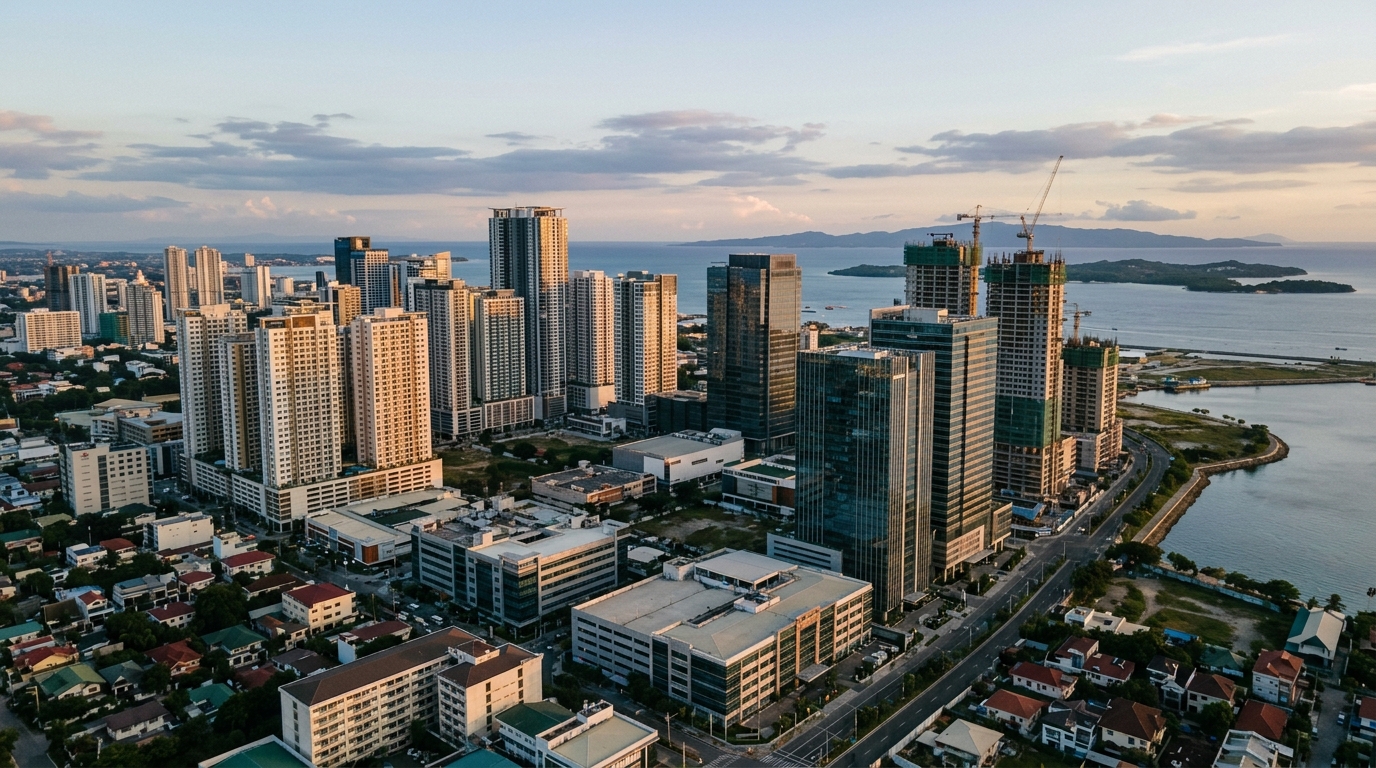
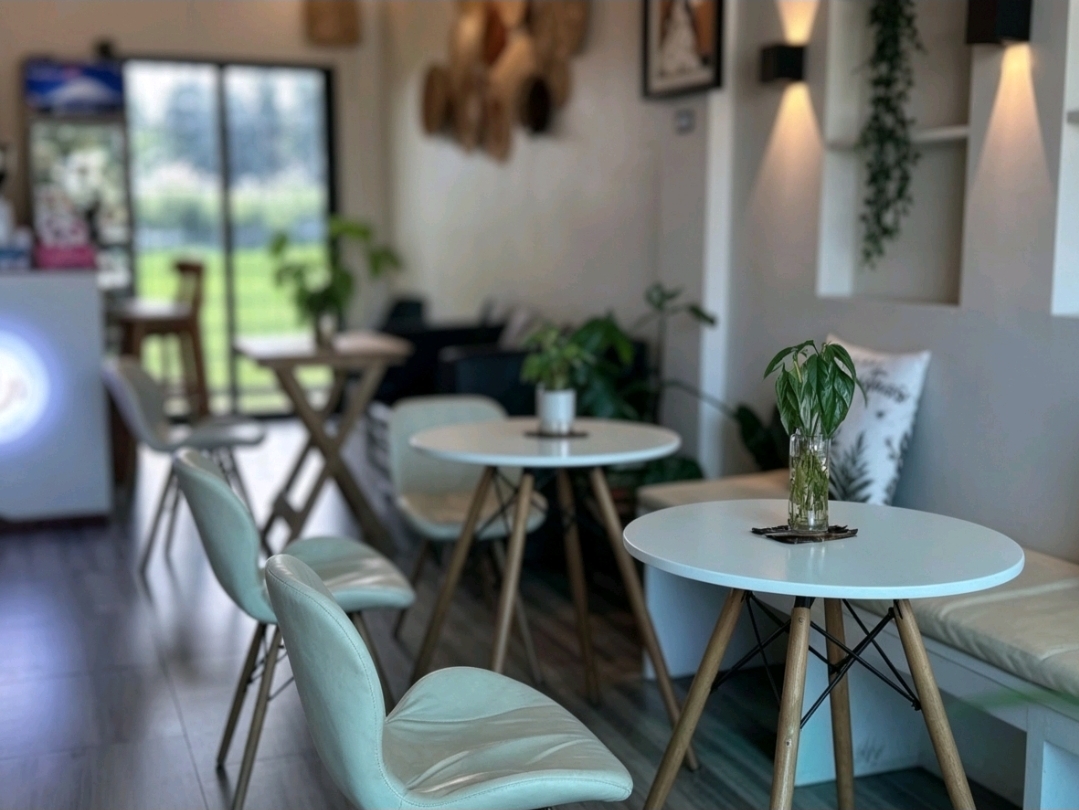
GENERAL SANTOS CITY - Real estate conversations often focus on the structure being built, but surrounding areas are equally important. Markets generate movement, commerce, and daily activity. As redevelopment plans move forward, nearby businesses, transport routes, and commercial spaces may experience changes in how people interact with them. These adjustments happen gradually. A café may attract new customers, a retail space may gain visibility, or pedestrian traffic may shift toward different routes. While such developments are difficult to predict precisely, they illustrate how urban projects influence environments beyond property boundaries.
Everyday Movement Shapes Value
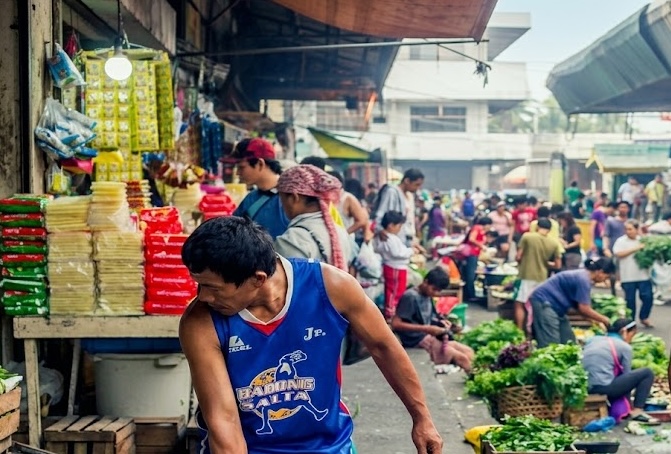
People create value through routine behavior. The routes they take, the places they visit, and the services they use all contribute to how neighborhoods function. Market districts are particularly influential because they attract visitors from different parts of a city. Improvements to accessibility and organization can alter movement patterns in subtle ways. These shifts may create opportunities for surrounding businesses while encouraging additional activity nearby. The result is not simply a renovated structure but a changing commercial ecosystem shaped by everyday decisions.
Looking at the Wider Picture
Urban development is most effective when viewed as part of a larger network. Buildings matter, but so do connections between places. The market redevelopment project in General Santos City highlights this broader perspective. Its long-term significance may depend not only on the facility itself but also on how surrounding areas respond. Growth rarely occurs in isolation. It spreads outward through streets, businesses, and communities that adapt alongside major projects.