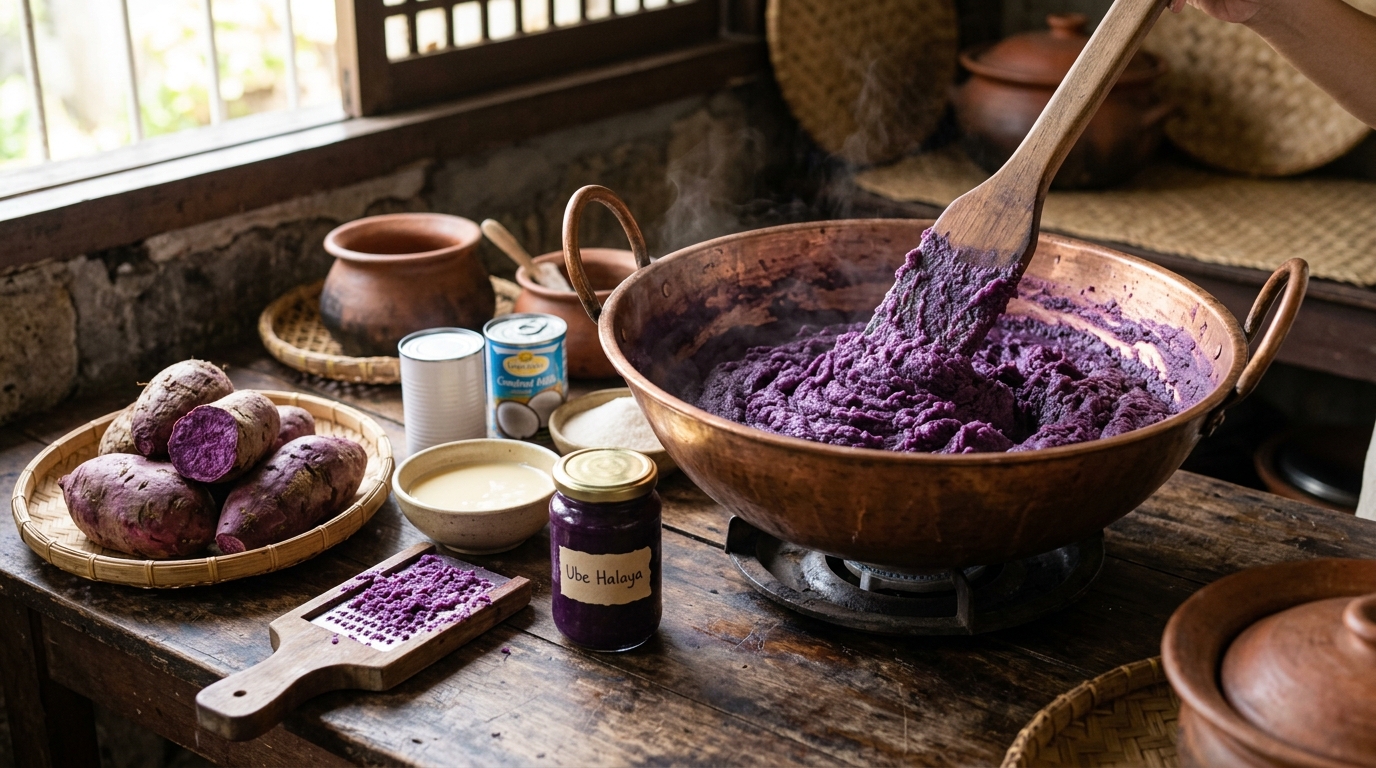
Bohol — Ube has officially transcended its status as a beloved Filipino staple to become a global culinary phenomenon, often hailed as the "next matcha" in international coffee shops and trendy food scenes. While its vibrant color and unique flavor have captured the world's attention, this meteoric rise comes with a complicated reality for the Philippines. Experts and cultural observers warn that as ube becomes a commodity for multinational corporations, its deep-rooted Filipino identity risks being diluted or lost entirely in translation. For many Filipinos, the sight of foreign influencers enjoying "oob" drinks without knowing the tuber's cultural significance as a celebratory food is a concerning indicator of how disconnected the global market has become from the ingredient's origins.
The Challenge of Scaling and Sustainability
As the demand for purple yam skyrockets, the Philippines faces an uphill battle in maximizing its own export potential. Data indicates a struggle to keep pace with global hunger for the tuber, with local production yields fluctuating while international competitors like China and Vietnam begin to propagate ube to fill supply gaps. Agriculture ventures, such as those working with the Bohol Ube Project and initiatives like Lunti at Lila Co, are finding that even significant increases in cultivated land are insufficient to meet the ravenous market demand. These challenges are compounded by the crop’s long growth cycle and the low processing yield of raw ube into high-value powders, necessitating a focus on sustainable, heritage-based farming rather than rapid, industrial-scale acceleration.
Protecting the Legacy of Philippine Ube
To secure a future where Philippine ube remains a premium global product, industry leaders suggest that the nation must pivot away from competing primarily on volume and instead lean into its distinct advantages: authenticity, quality, and regenerative practices. Efforts are currently underway to secure Geographical Indication (GI) recognition for specialized varieties, such as Bohol's ubi kinampay, which would provide a protective shield similar to how Italy safeguards its regional culinary treasures. Experts emphasize that the path forward requires intentional collaboration between the government and private sectors to regulate the export of raw materials, provide timely financial support to smallholder farmers, and invest in advanced processing capabilities. By prioritizing sustainable, heritage-based production, the Philippines has the opportunity to maintain its market edge, ensuring that as ube expands globally, its cultural and geographical identity remains firmly rooted at home.