Small Responsibilities, Big Lessons
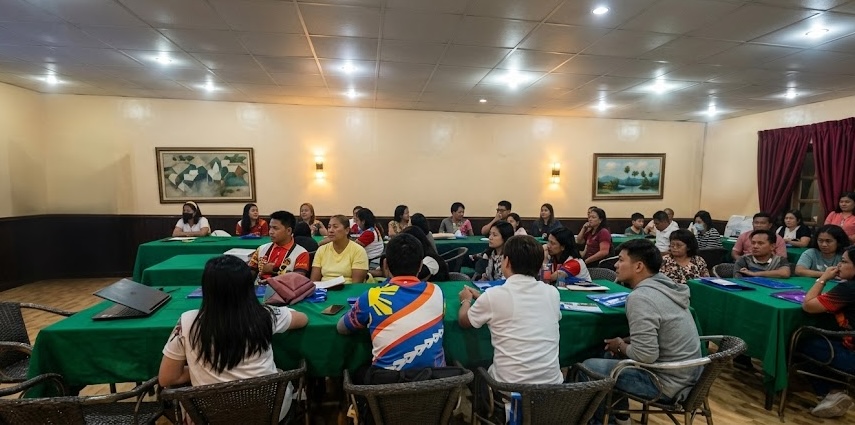
OZAMIZ CITY - Leadership is often imagined as something reserved for adulthood. In reality, it develops through practice and experience. Student government initiatives encourage learners to organize activities, represent peers, and contribute ideas. These responsibilities may appear modest, yet they introduce important lessons about accountability and cooperation. Students gain practical experience communicating with others and managing tasks. Such opportunities help build confidence while preparing young people to participate more actively in their schools and communities.
Participation Creates Ownership
People tend to care more deeply about environments where they have opportunities to contribute. Student leadership programs encourage that sense of ownership by giving participants meaningful roles. Instead of observing from the sidelines, students become involved in planning and decision-making. This engagement strengthens connections between individuals and institutions. It also encourages a culture where participation is viewed as valuable rather than optional. Communities benefit when young people learn that their voices can influence outcomes in constructive ways.
Building Future Community Builders
The effects of leadership experiences often appear years later. Skills developed through student organizations can influence future involvement in workplaces, civic groups, and volunteer initiatives. Communities thrive when individuals are willing to organize, collaborate, and contribute to shared goals. By encouraging leadership development among students, Ozamiz helps cultivate habits that extend beyond the classroom. These experiences represent an investment not only in individuals but also in the future strength of the broader community.