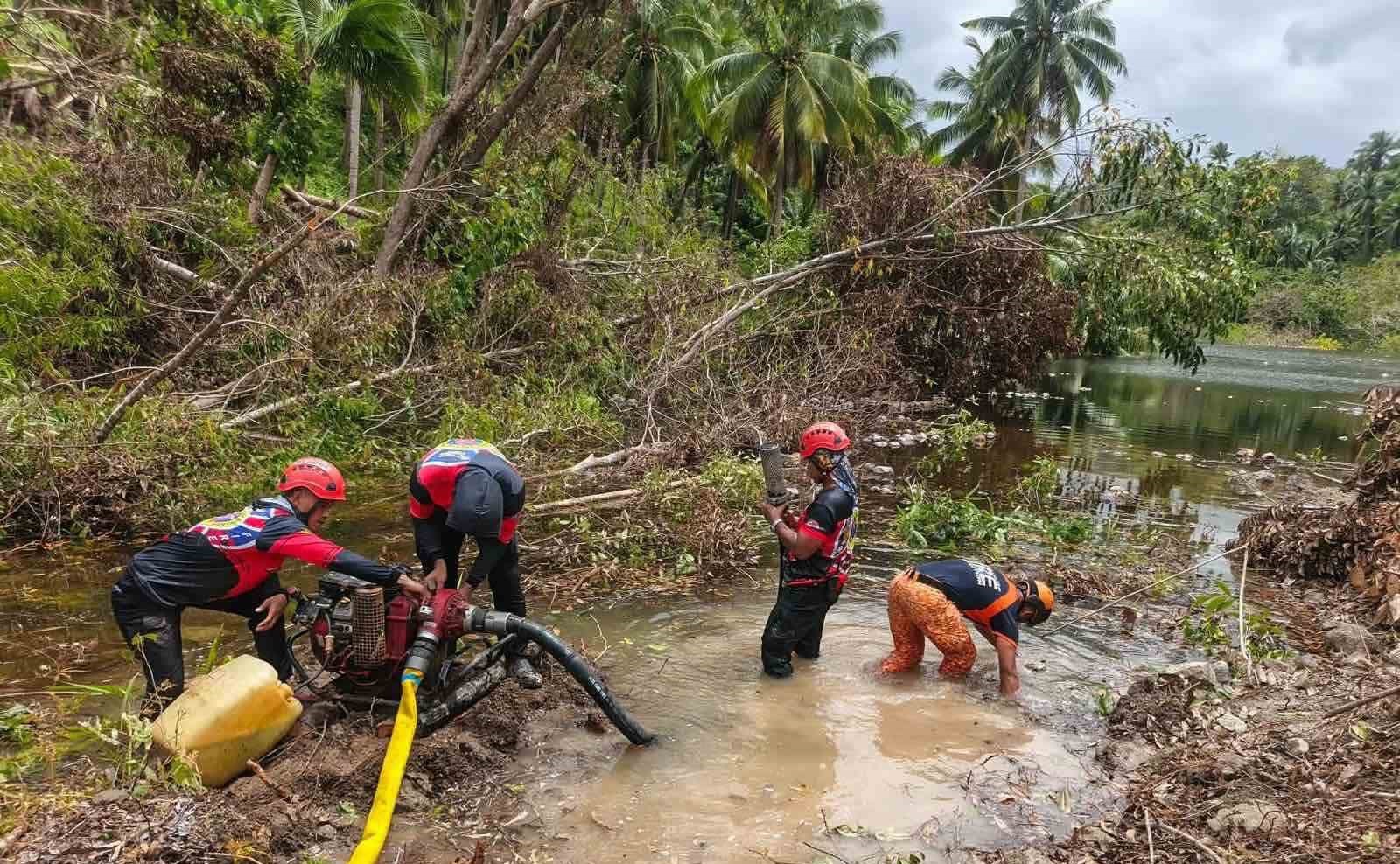
DAVAO CITY — A 12‑member Davao City 911 Urban Search and Rescue and Fire Auxiliary Service Team arrived home safely after a four‑day deployment to landslide‑stricken Jose Abad Santos, Davao Occidental. The team’s mission, which ran from June 20 to 23, 2026, brought vital assistance to a community reeling from the magnitude 7.8 earthquake that struck Mindanao earlier this month.
A Swift Deployment to Landslide‑Hit Areas
The team was dispatched after the Davao Occidental Provincial Disaster Risk Reduction and Management Office requested specialized help. The powerful June 8 quake had triggered widespread landslides across southern Mindanao, isolating barangays and burying homes under tons of debris. The 911 crew was tasked with assisting local responders in assessing hazards and ensuring no survivors were left behind.
Within hours of the request, the Davao City 911 personnel were on the road, carrying specialized rescue gear and emergency medical supplies. Their convoy navigated damaged highways and secondary roads made treacherous by aftershocks. The urgency was clear: remote communities in Jose Abad Santos were cut off, and the window for effective search and rescue was closing fast.
Navigating Hazardous Terrain
On the ground, the team worked shoulder to shoulder with municipal responders. They conducted active monitoring of unstable slopes, assessed structural integrity of damaged homes, and identified areas still at risk of further collapse. Every assessment was immediately shared with local officials to guide evacuation decisions and prioritize aid delivery.
The team’s expertise in urban search and rescue proved invaluable in the mountainous terrain. They mapped fresh cracks on slopes and documented newly formed landslide scars that threatened remaining houses. Their reports helped the municipal government decide which families needed immediate relocation.
A Devastated Municipality in Need
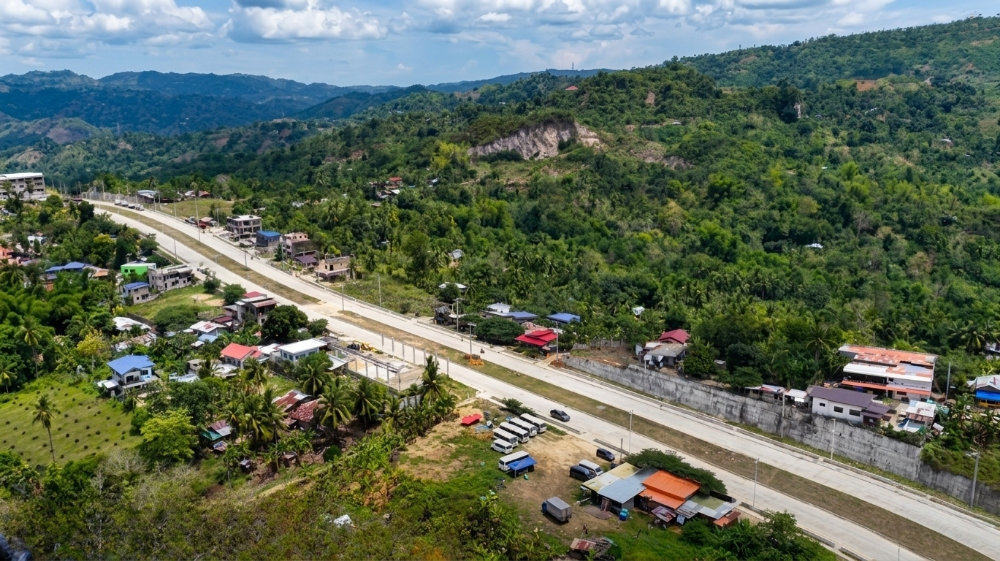
Jose Abad Santos was among the hardest‑hit towns, with the earthquake claiming seven lives and leaving several missing. More than 22,500 families were affected, and over 6,700 homes sustained damage, nearly half of them completely destroyed. Landslides had severed the national highway and knocked out power to half of the barangays.
The municipality had declared a state of calamity a day after the quake, but the sheer scale of destruction overwhelmed local resources. Satellite imagery later revealed that landslides had reshaped 137 hectares of the landscape. In six barangays alone, the debris fields were so extensive that rescue teams had to clear paths before they could reach survivors.
Inter‑LGU Cooperation at Its Finest
The successful completion of the mission underscores Davao City’s unwavering commitment to helping neighboring local government units in times of crisis. The Davao City Disaster Risk Reduction and Management Office, along with the 911 team, demonstrated that boundaries vanish when lives are at stake. This spirit of bayanihan has long been a hallmark of the region’s emergency response culture.
The operation also highlighted the importance of pre‑established coordination protocols between provincial and city disaster offices. Because of these mechanisms, a request for assistance could be acted upon immediately, without bureaucratic delays. The seamless integration of external teams with local responders saved precious time in the search for missing residents.
Restoring Hope and Safety
By the time the team withdrew, they had provided local authorities with a comprehensive hazard map and a prioritized list of interventions. Their presence alone brought a measure of reassurance to traumatized residents, showing that help arrives even in the most isolated places. The team’s safe return marks not just the end of a mission but a promise that Davao City remains ready to respond whenever calamity strikes its neighbors.