The United Kingdom has announced an expansion of its farm support schemes, specifically earmarking resources to bolster regenerative agriculture. This strategic move signals a commitment to more sustainable and environmentally friendly farming practices across the nation, a development that carries potential implications for the thousands of Filipino overseas workers (OFWs) contributing significantly to the UK's agricultural workforce.
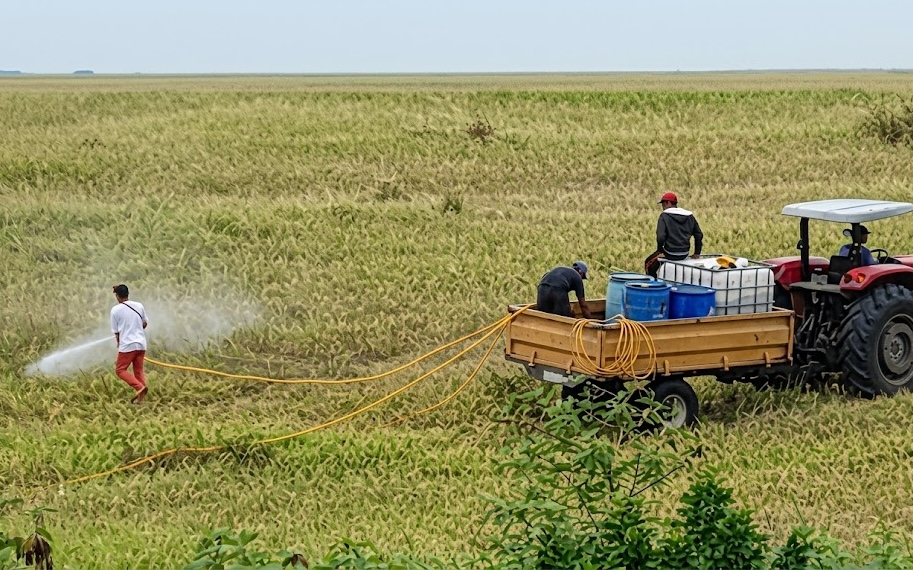
Transitioning Core Field Operations to Low-Impact Cultivation Protocols
Regenerative agriculture focuses on improving soil health, enhancing biodiversity, and reducing environmental impact through practices like reduced tillage, cover cropping, and diverse crop rotations. While the immediate details of the expanded schemes, including specific funding figures or timelines, were not elaborated in the initial report from Traders Union, the overarching direction is clear: UK farming is moving towards a greener, more sustainable future. This shift could lead to changes in how farms operate, the types of tasks performed, and the skills required from agricultural laborers.
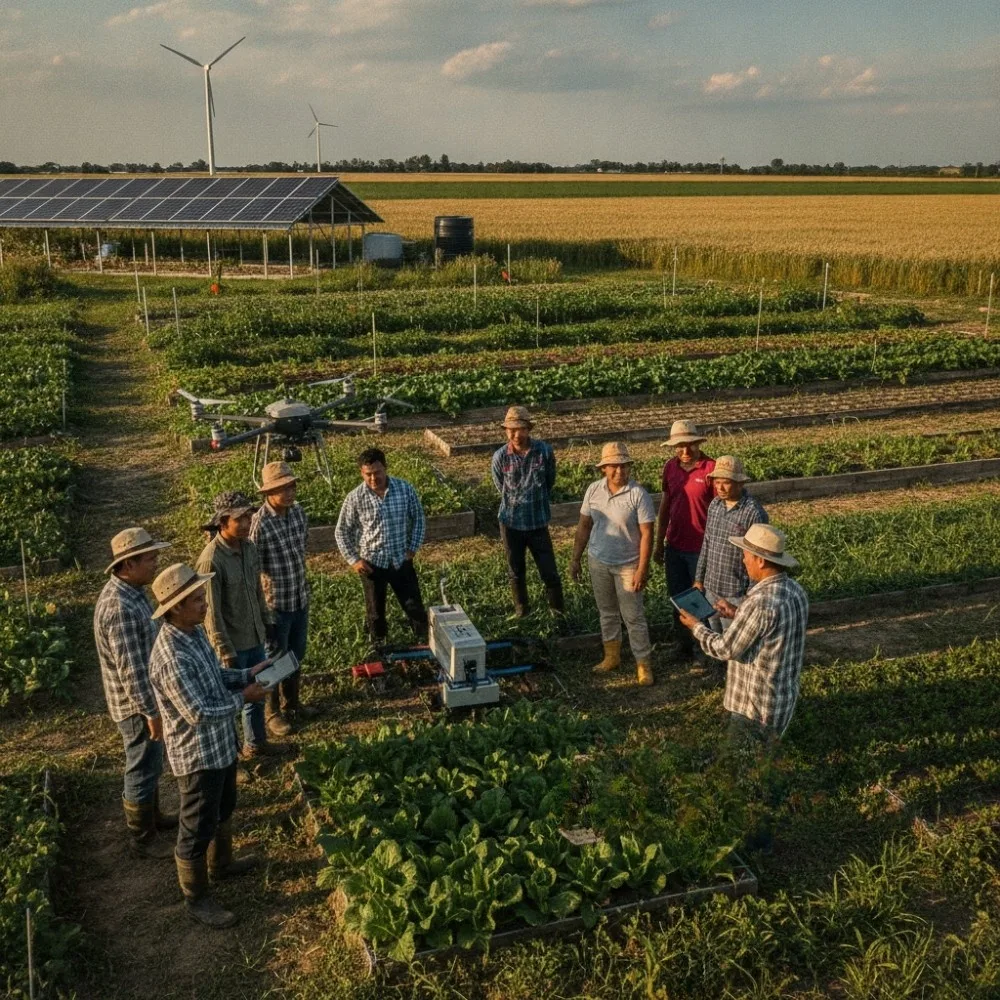
Upgrading Transnational Skill Matrices to Match Eco-Precision Technology
For the Philippines, a nation with a vast diaspora of skilled workers, the UK's agricultural sector has long been a destination for those seeking employment opportunities abroad. Filipino workers are highly valued for their dedication, adaptability, and strong work ethic in various farming roles, from harvesting and planting to operating machinery. The transition to regenerative agriculture could create new demands for specialized skills related to soil management, ecological farming techniques, or technology-driven precision agriculture. Conversely, it might also reduce the need for certain labor-intensive practices that are less aligned with regenerative principles. Understanding these shifts is crucial for both current Filipino agricultural workers in the UK and those in the Philippines considering future employment in the sector.
Harnessing Statutory Defra Frameworks for Competitive Career Security
Filipinos currently working in UK agriculture should proactively seek information on how their specific farms or regions are adapting to these new policies. Upskilling in areas relevant to sustainable farming, such as organic practices, agroecology, or data analysis for crop management, could be highly beneficial. For those in the Philippines aspiring to work in the UK, researching the evolving skill sets required by UK farms and considering training programs that align with regenerative agriculture principles could provide a competitive edge. Staying informed through official UK government agricultural advisories and reputable migrant worker support networks will be key to navigating this evolving landscape and securing future opportunities.