A Dish Built Around Tradition
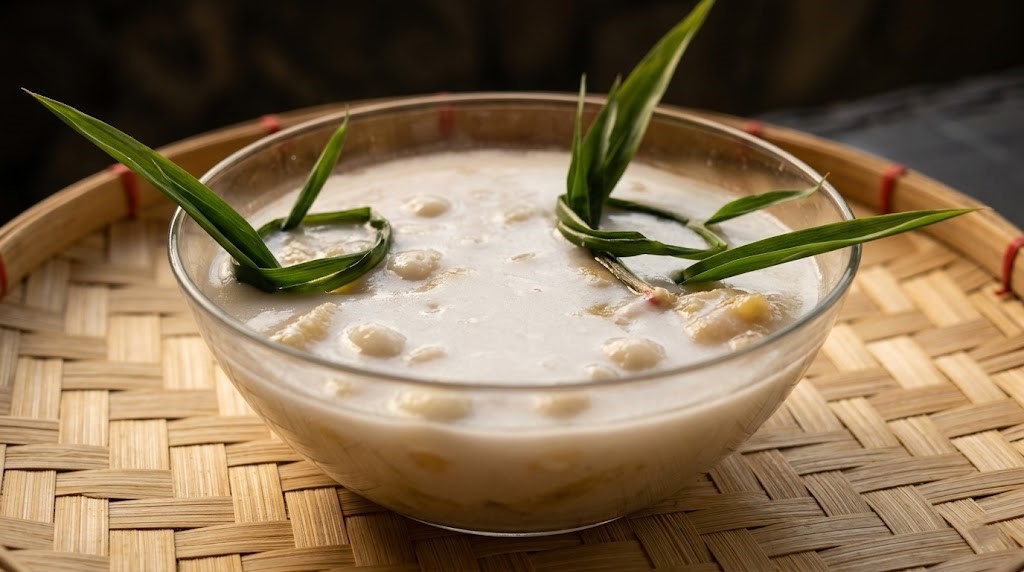
Molabola stands out because it carries a story rooted in Palo’s community practices. Made from glutinous rice formed into small pieces and cooked with coconut milk, sugar, and ginger, the delicacy represents the creativity of traditional Filipino cooking. Its preparation involves patience and skill, showing how local recipes are often shaped by time and experience. Unlike commercially produced snacks, molabola maintains its connection to handmade preparation and local traditions. The process reflects how Filipino communities preserve their food culture through recipes shared within families and neighborhoods. The delicacy’s ingredients also highlight the importance of locally available resources in creating meaningful dishes. Coconut-based flavors, rice products, and traditional cooking methods remain common elements in many Filipino regional foods, and molabola reflects that same connection. Its familiar taste allows people to associate the delicacy with memories of home, gatherings, and cultural celebrations. Through simple ingredients, molabola becomes a reminder that traditional food often carries deeper stories beyond what appears on the plate.
From Family Kitchens to Community Celebrations
The importance of molabola goes beyond its ingredients because it has become connected with gatherings and cultural activities in Palo. Local makers continue creating variations while respecting the original character of the delicacy. These efforts allow younger generations to encounter a food tradition that might otherwise become less familiar. Many traditional delicacies survive because they are passed down through everyday experiences rather than written recipes. In Palo, the continued preparation of molabola shows how food can serve as a bridge between older and younger generations. Families who prepare the delicacy help maintain the knowledge behind its making, ensuring that its story continues. It also represents the role of local communities in protecting culinary traditions that reflect their history and identity.
Beyond being a seasonal delicacy, molabola represents the relationship between food and cultural memory. It shows how certain dishes become connected with important moments and celebrations, making them meaningful to the people who prepare and enjoy them. For visitors, learning about these connections adds another layer to experiencing Leyte’s local culture.
A Food Experience Worth Searching For in Leyte
Visitors interested in authentic Leyte experiences can discover molabola as an example of how food preserves stories. It may not have the same national recognition as other Filipino desserts, but its connection to local identity gives it a special place in Leyte’s culinary landscape. Trying it offers travelers a deeper appreciation of the province’s traditions.
Food experiences like molabola encourage travelers to explore beyond popular attractions and discover the everyday flavors of a destination. Instead of simply purchasing a souvenir, visitors gain a better understanding of the people and communities behind the delicacy. Every bite represents the dedication of local makers who continue keeping traditional recipes alive.
As Leyte continues to attract visitors through its history, landscapes, and culture, delicacies like molabola add another reason to explore the province. It shows that food can become a destination on its own, offering stories that connect travelers with the places they visit. Traditional dishes remain valuable because they preserve memories while continuing to find appreciation among new generations.