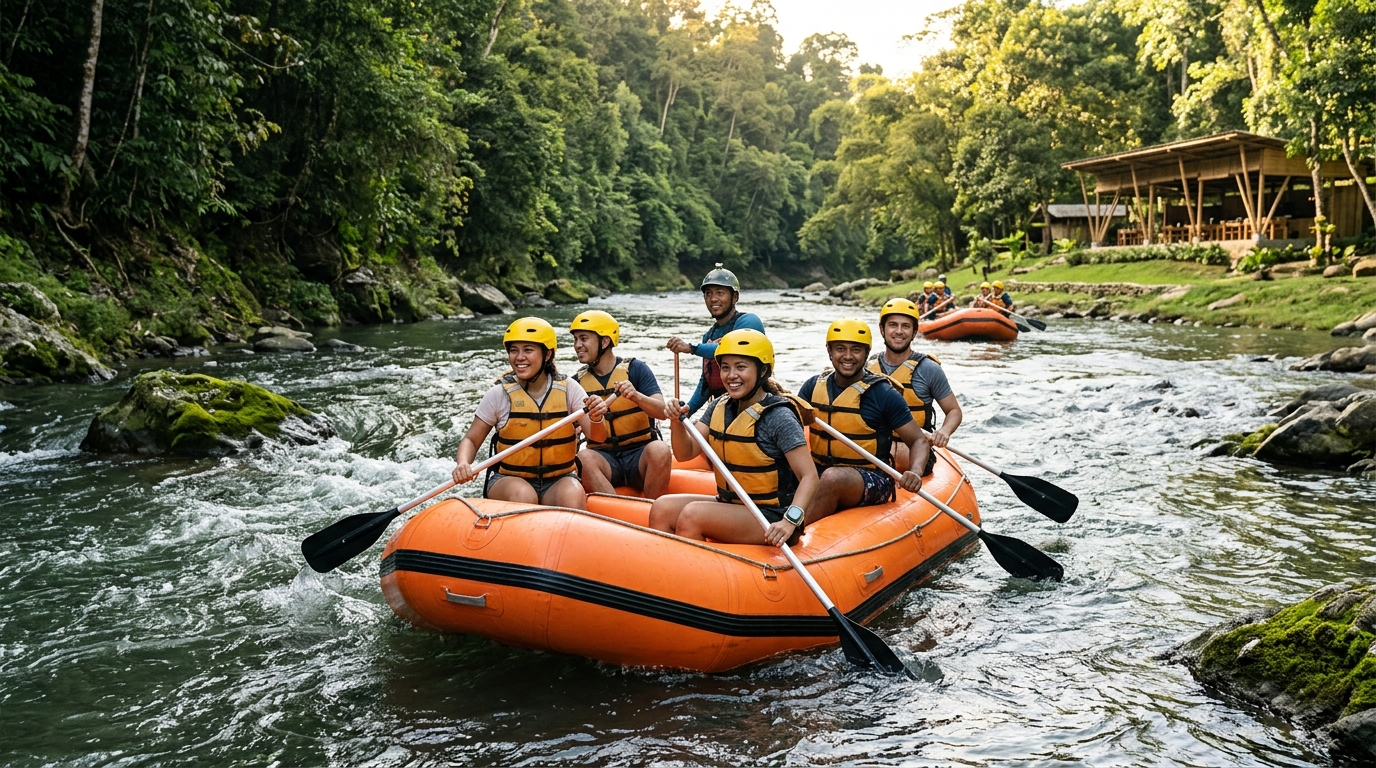
Cagayan de Oro has reclaimed its title as the "White Water Rafting Capital of the Philippines" this April with the implementation of the New River Safety and Ecology Standards. This provincial initiative mandates a 100% digital booking and safety tracking system for all rafting operators, aiming to professionalize the industry and protect the Cagayan de Oro River's riparian health.
The Sustainable Adventure Narrative
For the local tourism sector, the story is about the industrialization of safety and heritage. By integrating satellite-linked safety tracking for every raft, the city is providing a level of security that appeals to high-value international adventure travelers. This technological layer is paired with a mandatory "Conservation Fee" included in every ticket, which directly funds the reforestation of the river's upstream banks. For the 2026 tourist, the rafting experience is no longer just a thrill; it is a contribution to the restoration of Northern Mindanao’s primary waterway.
Culinary Integration and Riverside Dining
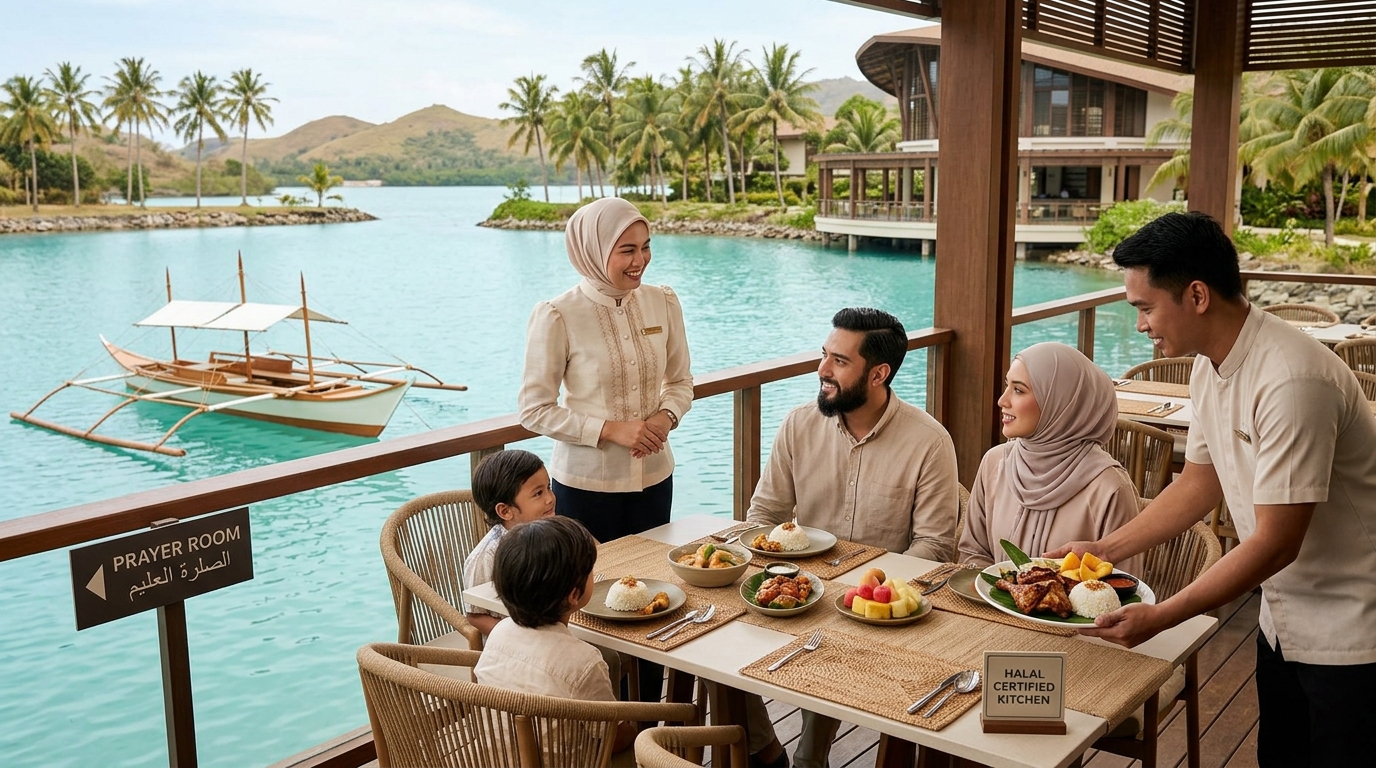
This movement is driving the development of "Raft-to-Table" dining experiences along the riverbanks, where traditional Mindanaoan cuisine is served to adventurers post-run. Local restaurants are collaborating with the City Tourism Office to offer curated menus featuring endemic ingredients like tabon-tabon and fresh river catch. These riverside hubs are designed using low-impact, sustainable materials, ensuring that the development does not disturb the river's natural aesthetic. This culinary synergy is proving to be a major secondary revenue stream for the local hospitality industry.
Community Engagement and Global Marketing
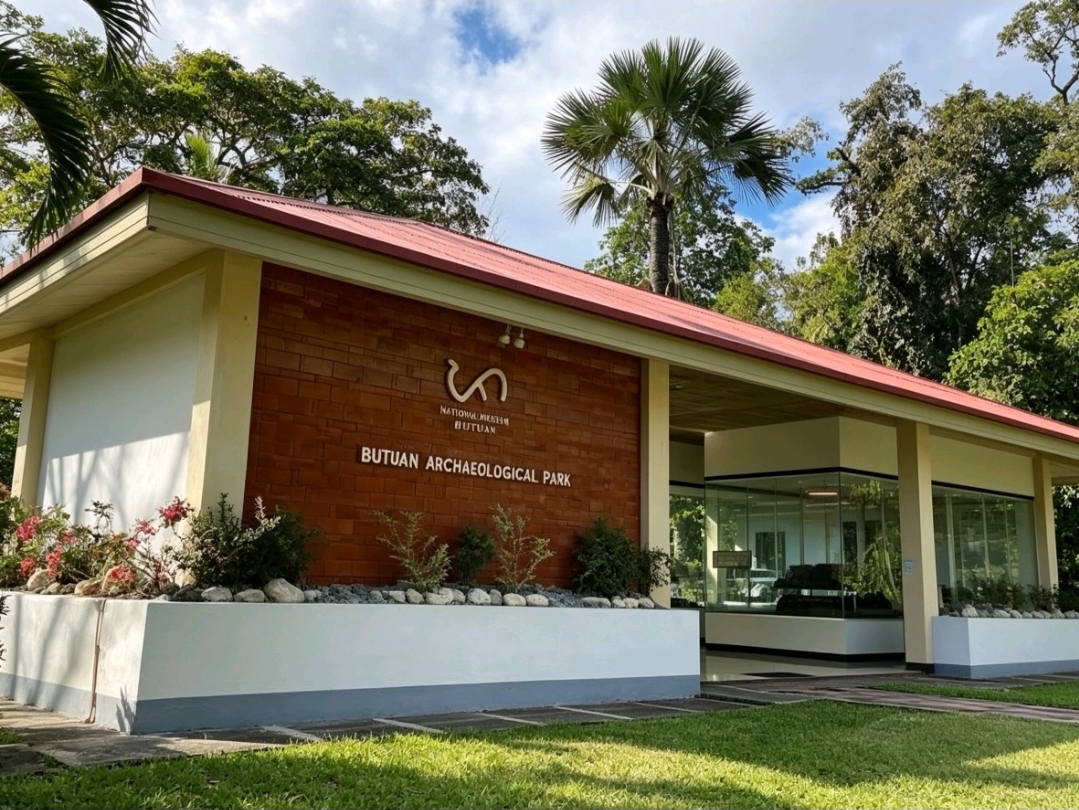
Local officials are leveraging the "UNESCO Learning City" status of CDO to promote river conservation education as part of the tourism package. Guided tours now include briefings on the river's role in the city's history and its current ecological challenges, fostering a deeper connection between visitors and the environment. This "Educational Tourism" model is being marketed globally through social media campaigns targeting "conscious travelers" in Europe and Australia. By the end of 2026, the rafting industry is expected to be a primary pillar of the city's "Green and Blue" economic strategy.