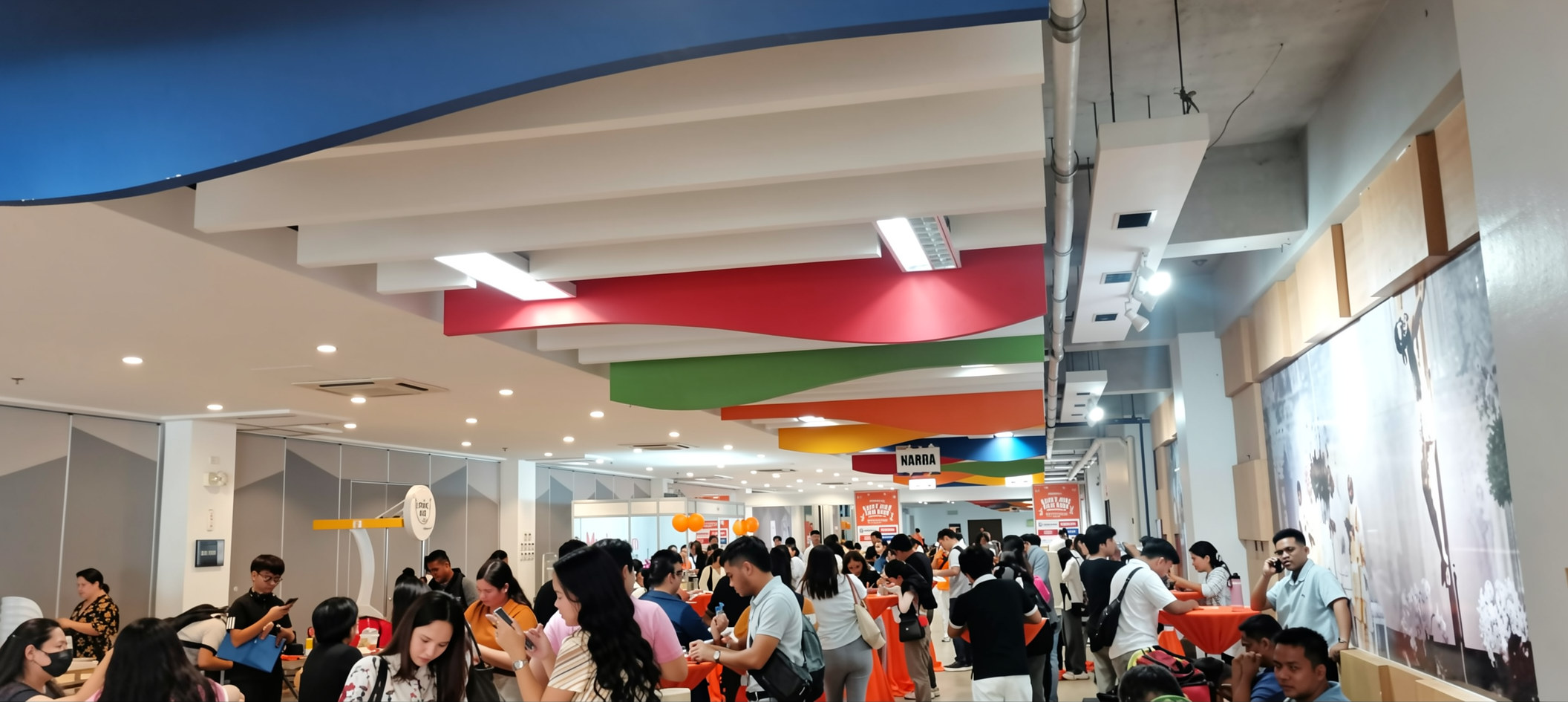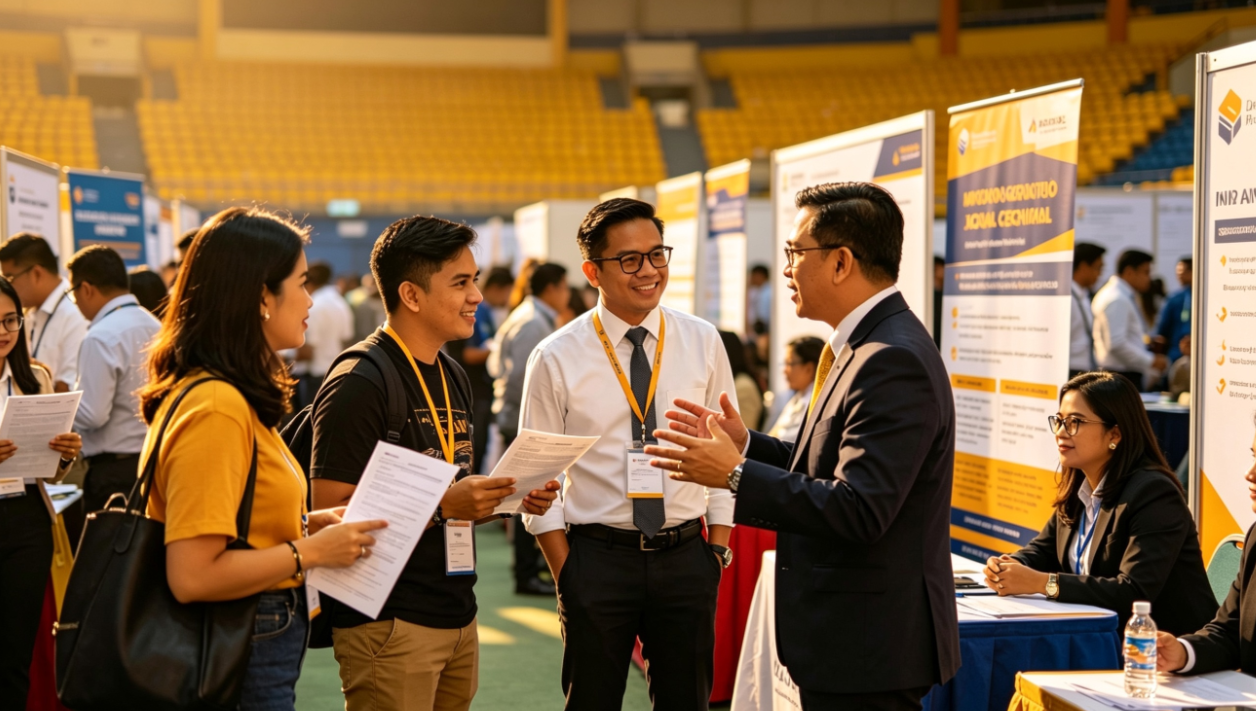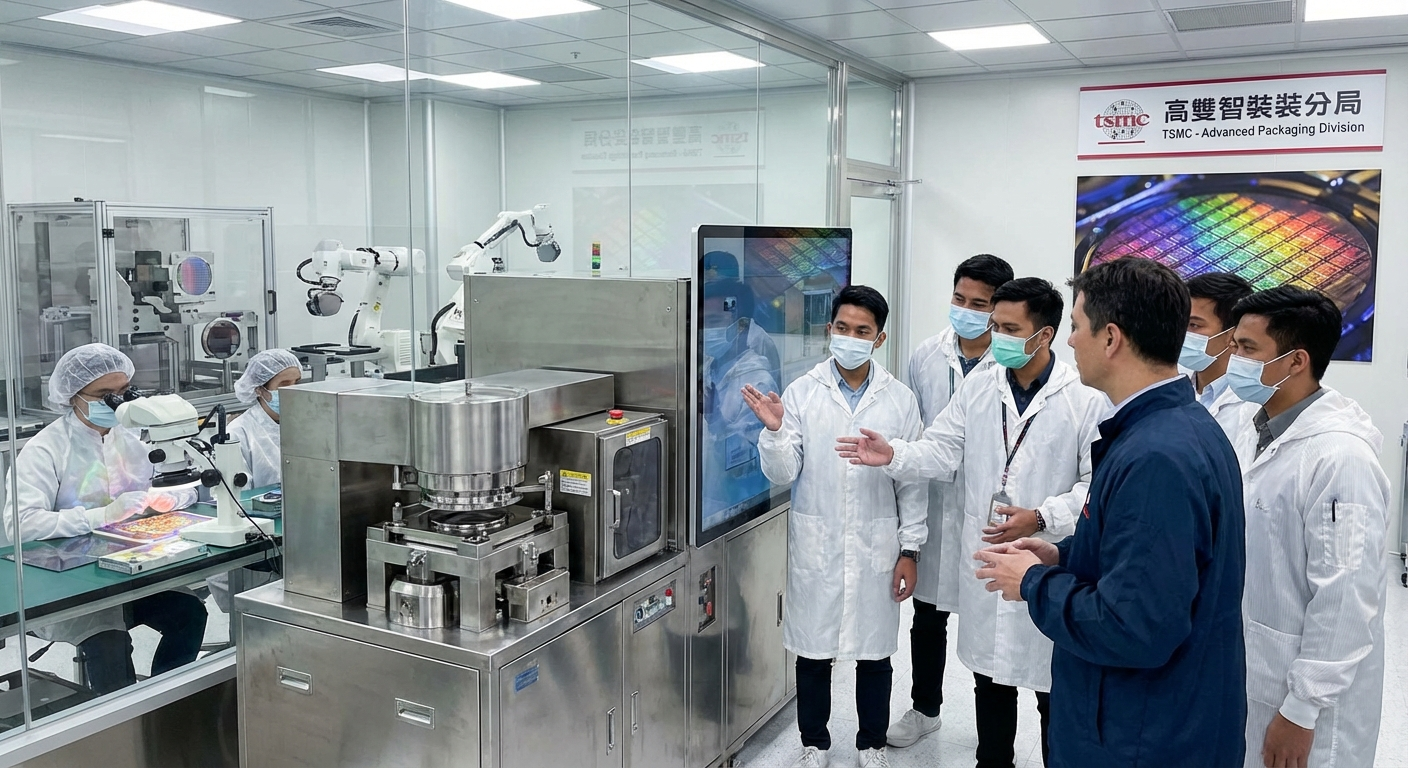
Taiwan, a global powerhouse in semiconductor manufacturing, is setting its sights on Filipino talent to fortify its critical industry. The island nation plans to host a dedicated "2026 Career Day" to actively recruit professionals from the Philippines, aiming to integrate them into its high-demand global semiconductor workforce. This strategic move highlights Taiwan's recognition of the skilled and adaptable Filipino labor force, offering a promising avenue for overseas Filipino workers (OFWs) to engage in a cutting-edge sector. The call for Filipino expertise underscores Taiwan's continuous need for specialized personnel to maintain its dominance in microchip production, a cornerstone of the global digital economy. Filipino professionals, known for their strong work ethic, technical acumen, and English proficiency, are poised to fill a range of roles within this advanced manufacturing ecosystem. This recruitment drive, with its 2026 timeline, indicates a long-term strategic investment by Taiwan in diversifying and strengthening its human capital for an industry vital to its economic prosperity. Why It Matters This development is significant for the Philippines and its vast OFW community. Historically, many Filipinos working abroad have filled roles in caregiving, domestic work, or manufacturing. An entry into Taiwan's semiconductor industry represents a shift towards higher-skilled, higher-paying opportunities. It offers a chance for Filipino engineers, technicians, and other skilled workers to contribute to a globally critical sector, potentially leading to better wages, professional growth, and enhanced remittances to the Philippines. For families back home, this could translate into greater financial stability and a higher quality of life. What Filipinos Need to Know Filipinos interested in these emerging opportunities should begin preparing now. Aspiring applicants are advised to focus on strengthening their educational backgrounds and technical skills in STEM fields, particularly engineering, electronics, and materials science. Researching legitimate recruitment agencies and understanding the specific requirements of Taiwan's semiconductor firms will be crucial. This initiative signifies a valuable chance for many OFWs to elevate their careers and contribute their talents to an industry that defines modern technology, while ensuring they pursue these prospects through official and secure channels to protect their rights and welfare abroad.