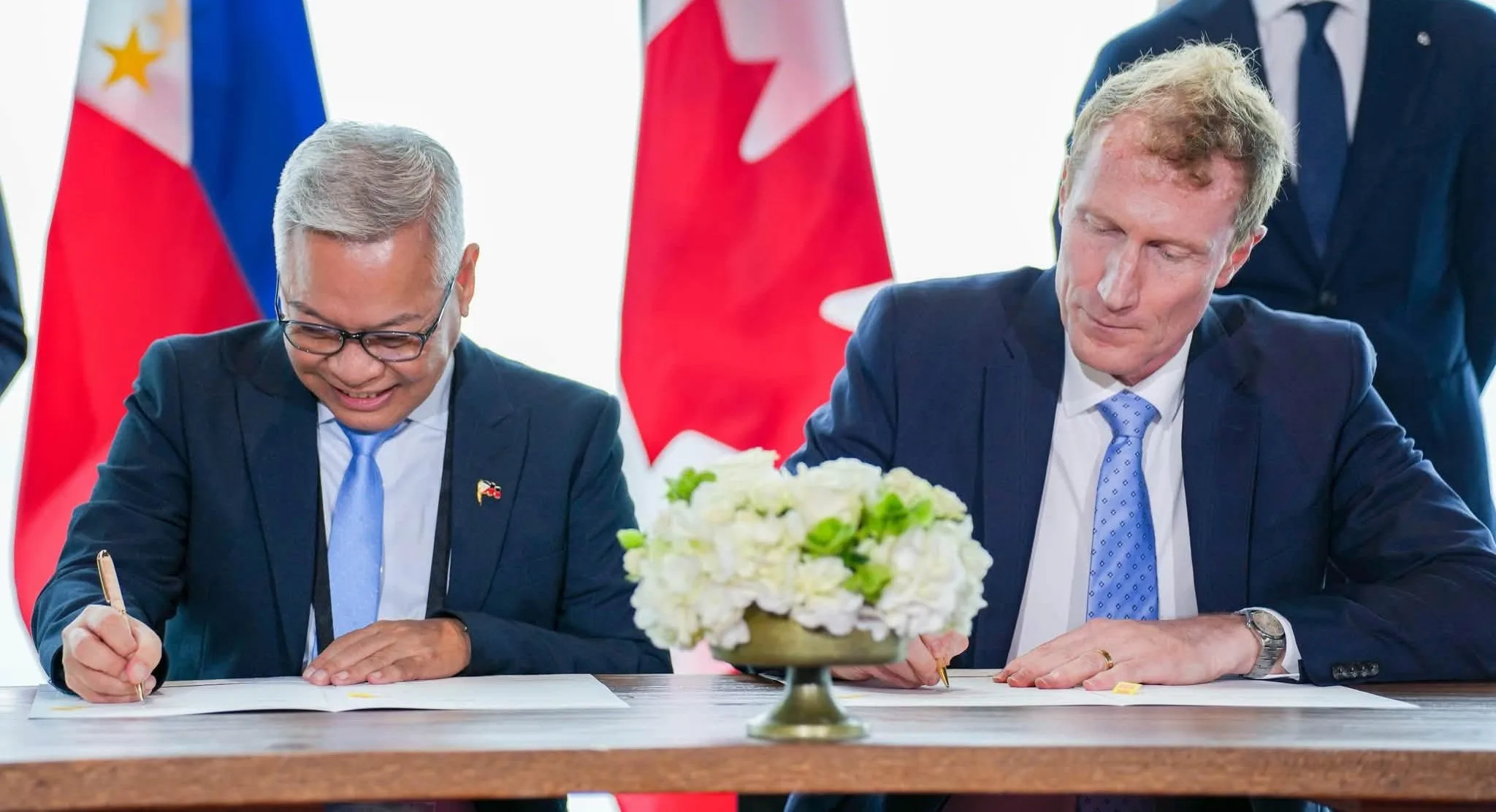
VANCOUVER, Canada — President Ferdinand R. Marcos Jr. and Prime Minister Mark Carney announced the elevation of Philippines‑Canada relations to a Strategic Partnership on July 2, 2026, capping a historic state visit. The leaders committed to finalizing a bilateral free trade agreement this year and signed accords spanning energy, labor, tourism, and culture.
A New Chapter in Bilateral Ties
The two leaders met at the Vancouver Convention Centre with their respective foreign and defense officials. They directed their Foreign Ministers to draft a comprehensive Plan of Action that will institutionalize regular policy dialogues. The upgrade marks a decisive shift from friendly relations to a structured, forward‑leaning alliance built on shared values.
Prime Minister Carney described the Philippines as a vital partner in the Indo‑Pacific. President Marcos, in turn, thanked Canada for its steadfast support for the rules‑based order in the South China Sea. The meeting coincided with the 10th anniversary of the 2016 Arbitral Award, giving the discussions added geopolitical weight.
Free Trade and Economic Ambitions
Both sides committed to concluding the Canada‑Philippines Free Trade Agreement by the end of 2026. The pact is projected to triple bilateral merchandise trade by 2035, building on the C$3.4 billion recorded in 2025. Canada also joined the Luzon Economic Corridor Partnership with an initial C$2 million contribution.
The deepening economic ties reflect the Philippines’ rapid growth and Canada’s desire to diversify its trade in Southeast Asia. A parallel Canada‑ASEAN Free Trade Agreement is expected to add nearly $2 billion to Canada’s GDP. For the Philippines, the deal opens a major North American market for agriculture, electronics, and services.
Protecting Workers and Expanding Tourism
A Joint Declaration of Intent on Labour and Migration was signed, promising ethical recruitment, regular migration pathways, and foreign credential recognition for Filipino workers. The agreement directly benefits the nearly one million Filipinos in Canada, ensuring their skills are properly valued and their rights protected.
Separate memoranda of understanding on tourism and cultural cooperation were also formalized. These aim to increase two‑way visitor traffic and deepen people‑to‑people ties. For the Philippines, which posted record tourism growth in early 2026, the Canadian market offers high‑spending, long‑staying travelers.
Defense, Security, and Energy Cooperation
The Strategic Partnership builds on recent defense milestones, including the Status of Visiting Forces Agreement signed in Manila last November and the Mutual Logistics Support Arrangement signed in Ottawa just two weeks before the state visit. Canada also committed to continue its Dark Vessel Detection Program, helping the Philippines monitor illegal activities in its waters.
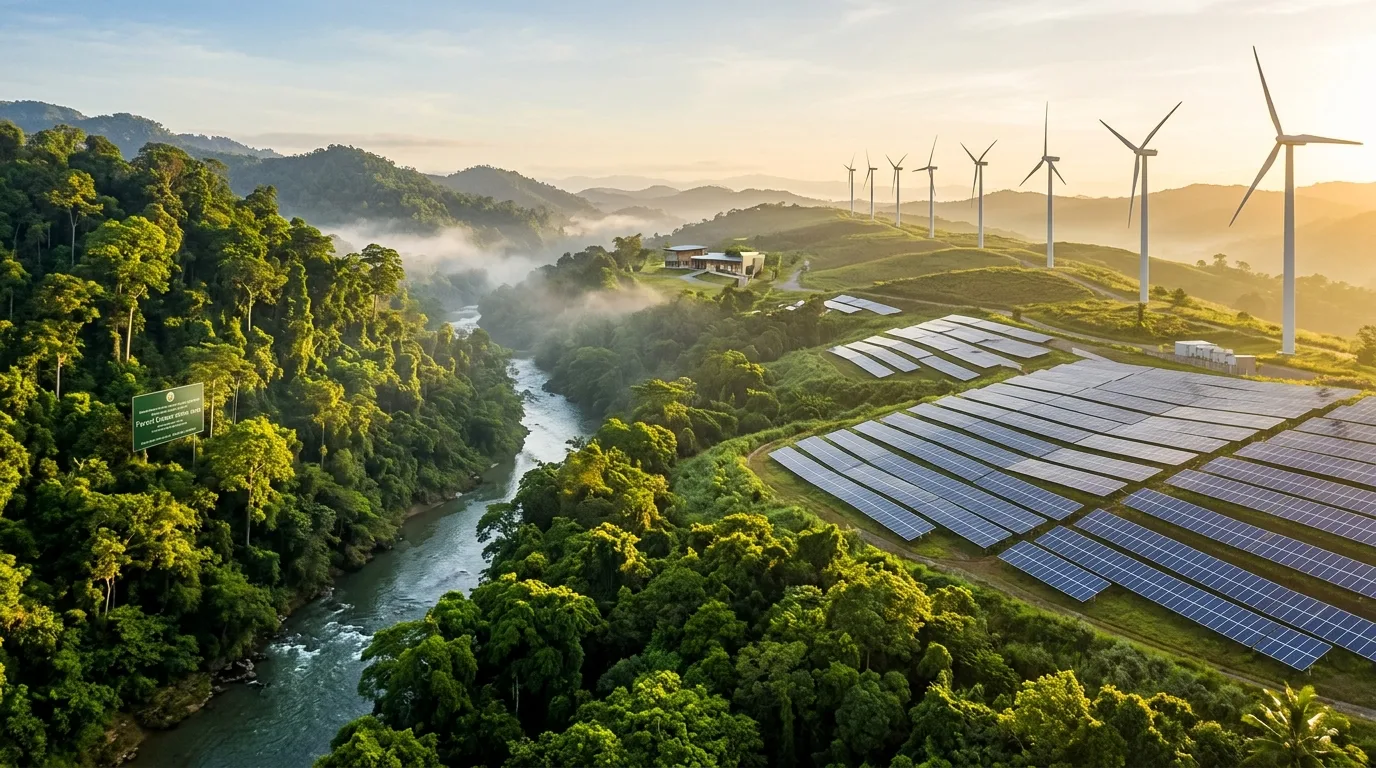
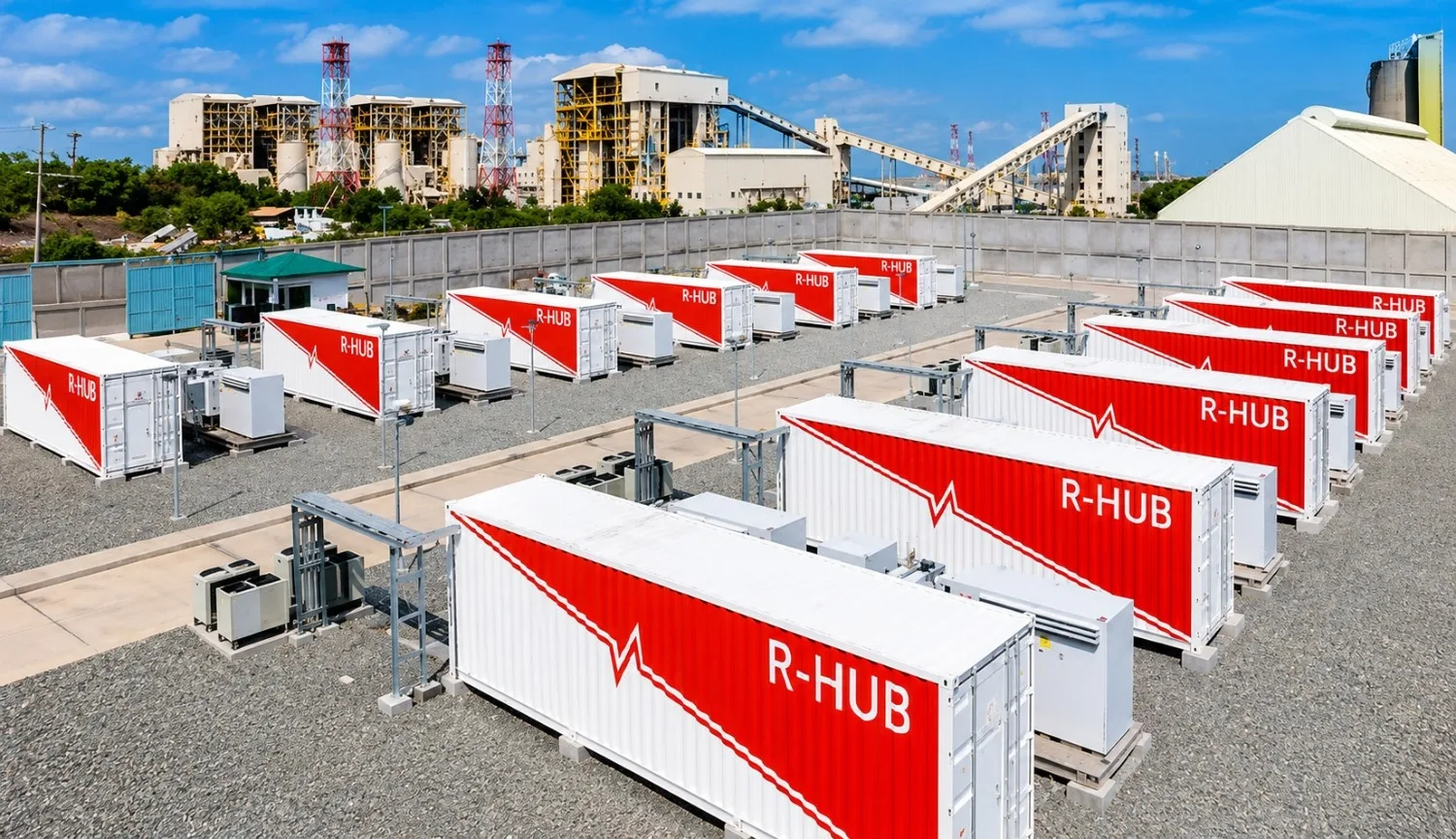
On energy, a Joint Declaration of Intent on Energy and Natural Resources Cooperation was signed, covering clean energy, nuclear energy, and the ASEAN Power Grid. The collaboration aligns with the Philippines’ goal of energy security and its chairmanship of ASEAN in 2026. The partnership ensures that both nations work together on climate resilience and secure supply chains.
Implementing the Vision
The comprehensive Plan of Action will be the roadmap for translating commitments into concrete outcomes. Regular Policy Dialogues on climate, trade, and security will ensure sustained momentum. The two countries, bound by 77 years of diplomatic ties, are now poised to turn shared aspirations into measurable gains.