With the dry season reaching its peak between April 30 and May 2, 2026, the Department of Health (DOH) in Northern Mindanao is stepping up its public safety campaign. Health officials are sounding the alarm on a dual threat: the rise of waterborne infections due to limited clean water and the spike in vector-borne diseases like dengue. As families store more water to cope with the heat, the risk of creating mosquito breeding grounds grows significantly. This push for "Climate-Resilient Health" is part of a broader regional effort to ensure that Cagayan de Oro and its neighboring provinces remain protected from the predictable but dangerous health impacts of the current El Niño cycle.
The Hidden Dangers of Water Storage
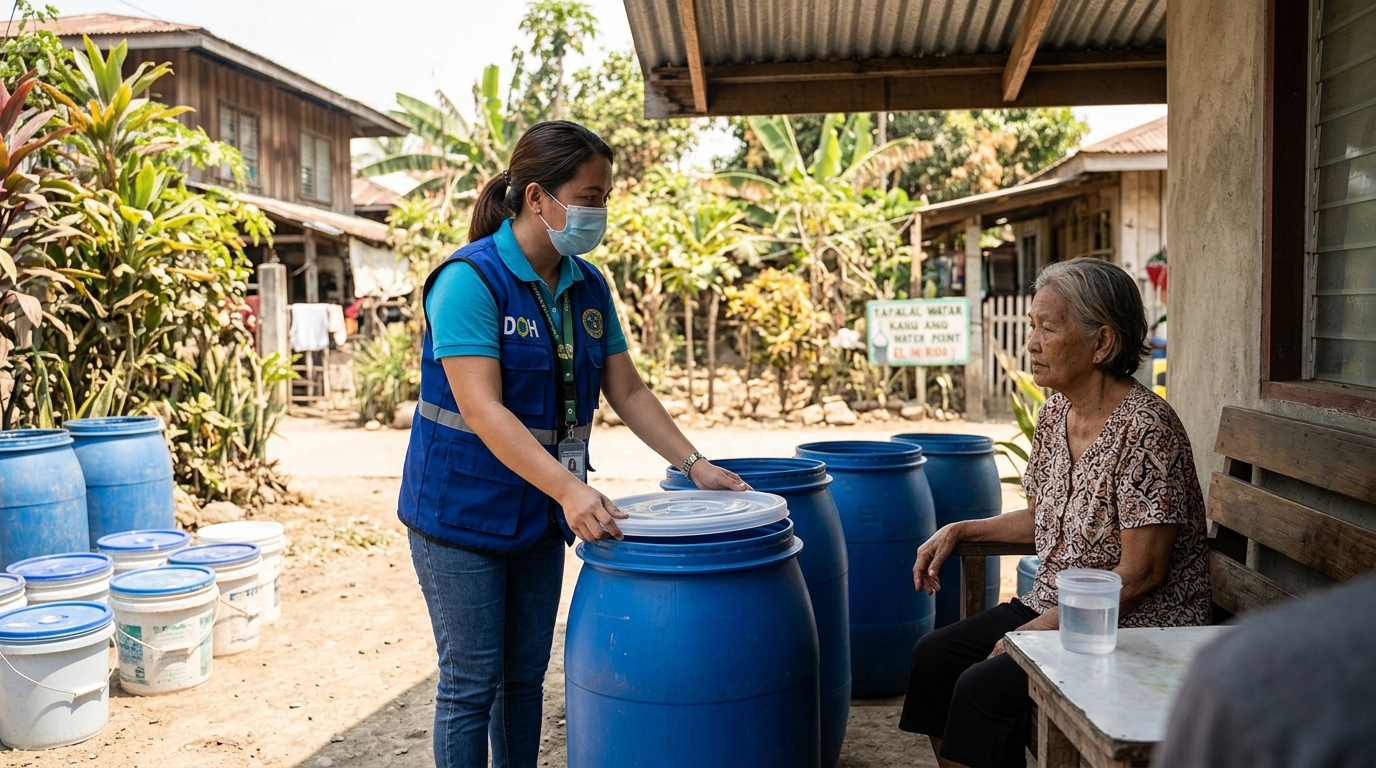
The necessity of conserving water during the drought has inadvertently created a new home for disease-carrying mosquitoes. On May 1, health experts noted that households often leave water containers uncovered, providing the perfect stagnant environment for the Aedes aegypti mosquito to multiply. To combat this, the DOH is re-emphasizing the "4S" strategy—Search and destroy, Self-protection, Seek early consultation, and Say no to indiscriminate fogging—with a specific focus on urban centers like Cagayan de Oro. By keeping every drum and pail tightly sealed, residents can effectively cut off the life cycle of these vectors before a seasonal spike turns into a full-scale outbreak.
Hydration Without Compromising Safety
While staying hydrated is the primary defense against heat exhaustion, the source of that water is becoming a major concern for regional doctors. During a briefing on April 30, DOH-10 medical officers warned that falling water levels in traditional wells can lead to a higher concentration of bacteria and viruses, causing severe diarrheal diseases. Residents are being advised to boil their drinking water for at least two minutes or use government-approved chlorine tablets if the source is at all questionable. This simple, proactive step is the most effective way to prevent a surge in emergency room visits for dehydration-related illnesses during the hottest weeks of the year.
Building a Shield Against the Sun
Beyond infectious diseases, the department is also managing a rise in heat-related physical stress among the elderly and outdoor workers. Between May 1 and May 2, public health advisories were disseminated across Northern Mindanao, encouraging a "siesta-style" work schedule that avoids direct sun exposure from 10:00 AM to 4:00 PM. High-risk individuals are urged to monitor their blood pressure regularly, as the extreme heat index can exacerbate pre-existing cardiovascular conditions. By combining traditional health monitoring with these modern environmental precautions, Iloilo is demonstrating how a community can stay resilient and healthy even in the face of an intensifying climate crisis.